How to structure game guides for quick boss fight tips, avoiding spoilers & fluff?

When a gamer hits a wall against a tough boss, their immediate need isn’t for a detailed lore explanation or a lengthy narrative recap. They need swift, actionable advice that helps them overcome the challenge without ruining the game’s story or atmosphere. Crafting such a guide requires a deliberate approach to structure, conciseness, and spoiler management. This guide will help you develop effective game guides that prioritize the player’s immediate need for help while preserving their discovery experience.
The Core Challenge: Speed, Secrecy, and Substance
The art of a great boss guide lies in its ability to strike a delicate balance. It must provide enough critical information to enable a player to succeed, but not so much that it removes the joy of overcoming the challenge or spoils narrative surprises. Players often seek guides during moments of frustration, meaning clarity and speed of information retrieval are paramount. They want to know what to do, not necessarily why it happens in the game’s universe.
Principles for Effective Boss Guide Structuring
1. Prioritize “Need-to-Know” Information
Focus strictly on game mechanics, enemy weaknesses, attack tells, optimal gear, and successful strategies. Omit any information that isn’t directly relevant to defeating the boss. If a boss is weak to fire, state it. If a specific weapon type is highly effective, recommend it. Avoid delving into character backstories or plot points that unfold after the boss is defeated.
2. Master Spoiler Management
This is crucial. Assume your reader might not have reached the boss yet, or wants to avoid narrative spoilers related to the boss’s introduction or subsequent events. Clearly label sections that might contain minor spoilers, or use collapsible elements for detailed story context. Describe boss phases by their mechanics (e.g., “Phase 2: When it flies”) rather than by story triggers (e.g., “Phase 2: After the betrayal cutscene”).

3. Be Concise and Actionable
Every word in a boss guide should have a purpose. Use bullet points, numbered lists, and short, direct sentences. Avoid jargon where simpler terms suffice. The goal is to provide instructions that are easy to scan and immediately apply. Instead of a paragraph describing an attack, use a bullet point: “Dodge left when it raises its claw.”
4. Ensure Accessibility and Readability
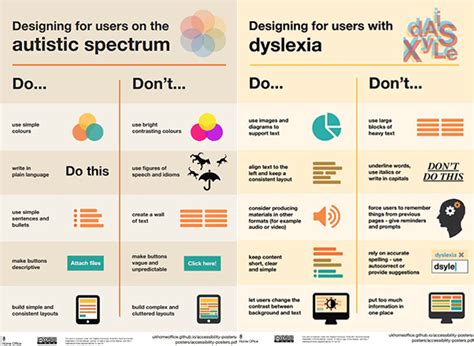
Good formatting makes a guide user-friendly. Employ clear headings (H3, H4) for different phases or aspects of the fight, bold key terms (e.g., Vulnerability: Headshot), and use ample white space. A guide should be scannable, allowing players to quickly pinpoint the specific information they need without reading the entire article.
Recommended Guide Structure Elements
The Quick Reference Box (QRB)
Place a concise summary box at the very beginning of your guide. This box should include crucial information like: Boss Name, Weaknesses (elemental, weapon type), Recommended Gear/Abilities, Key Mechanic/Gimmick, and maybe a Difficulty Rating. This allows players to get essential info at a glance before diving into detailed strategies.

Phased Strategy Breakdown
Most bosses have distinct phases. Structure your guide to match these. Use clear headings for each phase (e.g., “Phase 1: Ground Attacks”, “Phase 2: Aerial Assault”). Under each heading, provide specific tips for that phase, including attack patterns, safe spots, and windows for damage. This modular approach helps players understand and adapt to the boss’s progression.
Visual Cues & Attack Pattern Descriptions
While we can’t embed images directly, describe visual cues clearly. For example, instead of just “dodge the attack,” specify “Dodge when its eyes glow red” or “Roll forward when it winds up its overhead smash.” This helps players recognize critical moments in-game.

Optional “Detailed Breakdown” Section
Some players might want more in-depth information, such as lore connections, advanced techniques, or alternative strategies. Reserve this for a separate section, perhaps at the end or within a collapsible element labeled “Advanced Tips & Lore (Spoilers Possible).” This keeps the main guide lean for those who just need quick help.
Practical Tips for Writing & Formatting
- Use Action Verbs: “Dodge,” “Attack,” “Guard,” “Heal.”
- Avoid Ambiguity: Be precise with directions and timing.
- Test Your Guide: Have someone unfamiliar with the boss try to beat it using only your guide. This reveals areas of confusion or fluff.
- Consistent Terminology: Use the game’s official names for items, abilities, and locations.

Conclusion
By adhering to these principles and structural recommendations, you can create boss guides that are invaluable resources for gamers. Such guides empower players to overcome challenges swiftly, respect their time, and crucially, preserve the thrilling experience of discovery and achievement that makes gaming so rewarding. A well-structured, spoiler-free, and concise guide is not just helpful; it’s a testament to thoughtful guide writing that genuinely enhances the player’s journey.