What key metrics do Esports scouts prioritize when evaluating new talent?
The Rise of Professional Esports Talent Scouting
The burgeoning world of esports has evolved from a niche hobby into a multi-billion dollar industry, attracting millions of viewers and offering lucrative careers for top-tier players. As the stakes grow higher, the role of an esports scout has become critical. Much like traditional sports, identifying raw talent and nurturing it into a professional powerhouse requires a keen eye and a deep understanding of what truly makes a player stand out. But what exactly are these elusive metrics that scouts prioritize when sifting through countless aspiring pros?
In-Game Performance: The Raw Numbers
At the core of any evaluation are the concrete, trackable statistics within the game itself. These metrics vary widely depending on the specific esports title (e.g., League of Legends, CS:GO, Valorant, Dota 2, Overwatch), but generally fall into categories that reflect a player’s mechanical skill and impact.
- Kills/Deaths/Assists (KDA): A fundamental measure of combat effectiveness and survivability, though its importance can be contextual.
- Damage Per Minute (DPM) / Healing Per Minute (HPM): Indicates a player’s offensive or supportive output, crucial for understanding their contribution in fights.
- Creep Score (CS) / Economy: In games with farming mechanics, this shows a player’s ability to efficiently acquire resources, impacting their power curve.
- Objective Control: Metrics related to taking key objectives like towers, dragons, or bombs; essential for strategic victory.
- Win Rate & Consistency: While individual performance is key, a high win rate, especially in competitive ladders, demonstrates consistent impact and an ability to convert skill into victories.
- Headshot Percentage / Accuracy: Particularly relevant in First-Person Shooters (FPS) titles, showcasing precision aim.

Beyond K/D: Teamplay and Communication
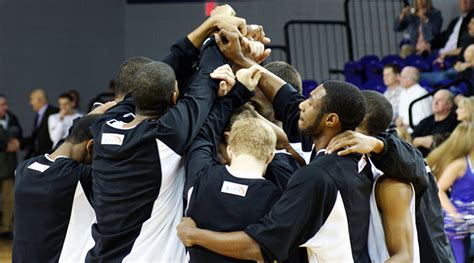
Esports are inherently team-based, and individual prowess alone is rarely enough. Scouts heavily weigh a player’s ability to integrate into and elevate a team environment.
- Communication Skills: Clear, concise, and effective shot-calling, relaying information, and coordinating plays are paramount. A player who can lead or follow calls efficiently is invaluable.
- Synergy & Role Understanding: How well a player understands their role within a team composition and adapts their playstyle to complement teammates. Can they enable others, or do they always seek the spotlight?
- Adaptability: The ability to adjust strategies, switch roles, or learn new heroes/champions/agents quickly in response to meta shifts or opponent tactics.
- Positive Attitude & Sportsmanship: While not a direct in-game metric, a player’s demeanor, resilience, and ability to maintain a positive outlook even during losses are vital for team cohesion and longevity.
The Mind Game: Mental Fortitude and Professionalism
The pressure in professional esports is immense. Scouts look for players who possess a strong mental game.
- Composure Under Pressure: The ability to perform consistently at high levels, even in critical moments or high-stakes tournaments, without succumbing to tilt or panic.
- Tilt Resistance: How a player reacts to mistakes, bad luck, or frustrating teammates. Professionals are expected to maintain focus and not let emotions dictate their play.
- Coachability: A willingness to listen, learn, accept criticism, and implement feedback from coaches and teammates. An arrogant or unteachable player is a red flag.
- Work Ethic & Dedication: The commitment to consistent practice, VOD review, and self-improvement outside of organized team sessions.

Untapped Potential: Growth and Adaptability
Scouts aren’t just looking for immediately dominant players; they’re also investing in future stars. Potential is a significant metric.
- Learning Curve: How quickly a player grasps new concepts, strategies, or game patches. A steep learning curve indicates high potential for future growth.
- Strategic Depth: Beyond mechanical skill, does the player understand the deeper strategic layers of the game? Can they anticipate opponent movements or devise complex plans?
- Meta Understanding: A profound awareness of the current dominant strategies and how to play within or against them effectively.

The Human Element: Marketability and Soft Skills
While often secondary to pure performance, a player’s public persona and marketability can be a bonus for organizations.
- Stream Presence / Social Media Engagement: Players who can build a following can enhance a team’s brand and attract sponsors.
- Professional Demeanor: Representing the organization positively in interviews, public appearances, and online interactions.

Conclusion: A Holistic View
Ultimately, esports scouts prioritize a holistic blend of metrics. While raw in-game statistics provide a crucial baseline for mechanical skill, they are only one piece of the puzzle. A player’s ability to communicate, adapt, maintain mental fortitude, and demonstrate a strong work ethic are equally, if not more, important for long-term success in the cutthroat world of professional esports. Identifying true talent means seeing beyond the flashy plays and understanding the complete player, ready to contribute to a winning team environment.