What’s the best system for delivering essential game updates and patch news promptly?
The Criticality of Timely Game Update Delivery
In the ever-evolving landscape of video games, the excitement surrounding new content, bug fixes, and performance enhancements is palpable. However, this anticipation can quickly turn into frustration if players are not promptly and clearly informed about these crucial updates. The success of a game, especially live-service titles, often hinges on a developer’s ability to communicate changes effectively. A robust system for delivering essential game updates and patch news not only keeps players informed but also fosters trust and community loyalty.
From minor hotfixes to major expansion packs, every piece of information matters to the dedicated player base. Lagging communication can lead to confusion, missed opportunities for player re-engagement, and even a dip in player retention. Therefore, identifying and implementing the ‘best’ system is not just a convenience; it’s a strategic imperative for any game developer.
Analyzing Current Communication Channels
Developers currently utilize a variety of channels to disseminate update news, each with its own strengths and weaknesses. Traditional methods include official forums and dedicated developer blogs, which offer depth and control over the message. However, these often require players to actively seek out information, potentially missing updates if they don’t regularly check these specific sites.
Social media platforms (Twitter, Facebook, Discord) provide immediate reach and high engagement potential, allowing for quick announcements and direct interaction with the community. Yet, the ephemeral nature of social feeds means important details can easily get lost in the noise, and not all players use these platforms consistently. Email newsletters offer a direct line to subscribers but can be overlooked or filtered into spam.
In-game notification systems are highly effective for reaching active players directly within the game environment, but they may lack the detail of a full patch note and are useless for players who haven’t launched the game recently. Finding the optimal balance often involves a multi-pronged approach that leverages the strengths of several channels simultaneously.
The Rise of Centralized and Integrated Systems
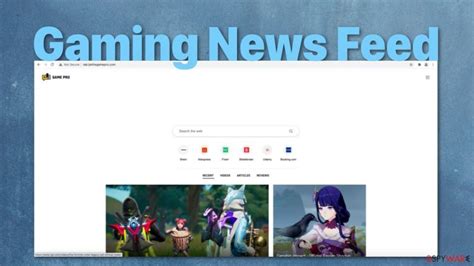
Increasingly, the most effective solutions lean towards integrated and centralized systems that streamline information delivery. Game launchers (e.g., Steam, Epic Games Store, Battle.net, Riot Client) have become primary hubs for update delivery. They automatically download patches, often feature a dedicated news section on their storefronts or client interfaces, and can push notifications directly to users.
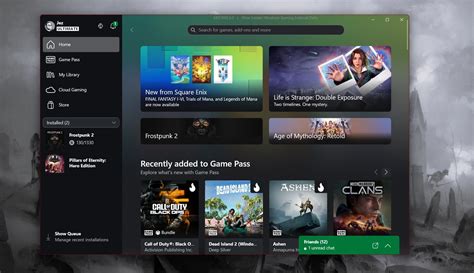
These platforms offer unparalleled convenience, as players are already interacting with them to play their games. Developers can post comprehensive patch notes, development roadmaps, and community announcements directly within these ecosystems, ensuring a high visibility rate for active players. Furthermore, dedicated mobile companion apps or integrated features within gaming consoles also play a role, offering push notifications for significant updates.
Key Components of an Optimal Update Delivery System
An ideal system for delivering game updates and patch news promptly would incorporate several critical components:
- Multi-Channel Redundancy: Employing a combination of a centralized launcher/news hub, official website/blog, active social media presence, and optionally, email newsletters ensures maximum reach.
- Clarity and Accessibility: Patch notes should be clear, concise, and easy to understand, with options for both detailed breakdowns and quick summaries. They should be easily accessible across all chosen platforms.
- Timeliness: Information should be released as soon as it’s finalized, ideally coinciding with the update’s release or slightly before, to manage expectations.
- Localization: All critical update news must be localized into relevant languages to cater to a global player base.
- Feedback Loop: While not direct delivery, channels for player feedback (forums, social media) are crucial for understanding how updates are received and for future improvements.

Conclusion: A Holistic Approach is Key
Ultimately, there isn’t a single ‘best’ system, but rather a holistic approach that prioritizes the player experience. The most effective strategy involves leveraging a primary centralized platform (like a game launcher’s news feed) for comprehensive details and immediate delivery, complemented by strategic use of social media for quick announcements and community interaction. Integrating in-game notifications for critical alerts and maintaining an official blog for deeper dives solidifies this multi-faceted communication strategy.
By investing in a robust, multi-channel approach that emphasizes clarity, accessibility, and timeliness, game developers can ensure their players are always in the loop, fostering a strong, informed, and engaged community around their titles.