What guide format best balances quick answers with deep dives to boost player engagement?

Navigating the Player’s Information Needs
In the vast and ever-evolving landscape of video games, a crucial element for sustained player engagement is the quality and accessibility of game guides. Players approach guides with diverse needs: some seek immediate solutions to pressing challenges (quick answers), while others crave comprehensive understanding of game mechanics, lore, or optimal strategies (deep dives). The challenge for content creators lies in crafting a guide format that elegantly caters to both, preventing frustration and fostering a richer gaming experience.
The Dichotomy: Speed vs. Depth
Traditional guides often fall into one of two extremes. “Quick answer” guides might feature bullet points, short FAQs, or simple flowcharts, ideal for players stuck on a boss fight or looking for a specific item location. While efficient, these often lack context and can leave players feeling unsatisfied or unprepared for future challenges. Conversely, “deep dive” guides, such as exhaustive wikis or multi-part articles, provide immense detail but can overwhelm players seeking a rapid solution, making it difficult to extract relevant information quickly.
The Search for a Hybrid Solution
The key to boosting player engagement lies in adopting a hybrid approach that seamlessly integrates both quick access and extensive detail. This involves intelligent structuring, intuitive navigation, and a mindful presentation of information. Several formats have emerged as strong contenders in achieving this delicate balance.
Effective Hybrid Guide Formats
1. The Tiered/Progressive Reveal Guide
This format starts with concise, high-level answers or summaries. Players can then click or expand sections to reveal more detailed explanations, step-by-step instructions, or elaborate lore. Think of an accordion menu where the initial view offers essential information, and expanding it unveils paragraphs, images, or even linked sub-guides. This respects the player’s immediate need for information while offering the option to delve deeper without leaving the current page.
2. Interactive Wiki-Style Platforms with Summary Boxes
Modern wikis, when well-designed, can be incredibly powerful. A robust wiki offers deep dives through interlinked pages. To provide quick answers, each primary page (e.g., a boss page, an item page) should prominently feature an “At a Glance” or “Key Information” summary box at the top. This box would contain crucial stats, weaknesses, locations, or essential steps, allowing players to get vital information without scrolling through extensive text.
3. Video Guides with Timestamped Text Summaries
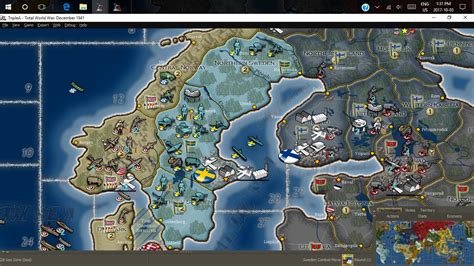
Video is unparalleled for demonstrating complex mechanics or visual cues. However, scanning a video for specific information can be cumbersome. The ideal hybrid pairs a comprehensive video walkthrough with a detailed, timestamped text summary below or alongside it. Players can watch for the immersive experience or quickly scan the text and jump to relevant video sections for a visual confirmation.
4. Chaptered Guides with Sidebars/Table of Contents
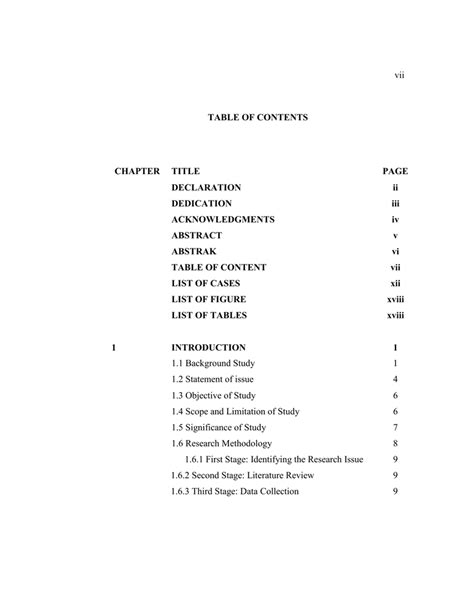
For extensive games, a guide broken into logical chapters or sections works well. Each chapter can be a deep dive into a specific area or questline. To provide quick answers, a prominent, always-visible table of contents or sidebar navigation with anchor links allows players to jump directly to specific sub-sections. Additionally, internal links within the text can direct players to related, more detailed pages.
Key Elements for Success
- Clear, Consistent Navigation: Players should always know where they are and how to find what they need.
- Powerful Search Functionality: A good search bar is paramount for both quick answers and locating deep dive sections.
- Visual Aids: Screenshots, maps, infographics, and short video clips enhance understanding for both types of users.
- Structured Content: Use headings (H2, H3), bullet points, and bold text to break up information and make it scannable.
- Contextual Linking: Thoughtful internal linking allows players to explore related topics at their own pace.
- Regular Updates: Game patches and meta changes necessitate guides that are living documents.
Conclusion
Ultimately, balancing quick answers with deep dives is not about choosing one over the other, but about intelligently integrating both. By adopting hybrid formats like tiered content, interactive wikis with summaries, or video-text combinations, guide creators can craft resources that are both immediately useful and incredibly informative. This thoughtful approach minimizes player frustration, maximizes learning, and crucially, fosters a deeper, more engaged player base that trusts your content as their go-to resource.