What optimal training routines boost competitive FPS Esports skill?
In the high-stakes world of competitive First-Person Shooter (FPS) Esports, raw talent is merely the starting point. To truly excel and consistently perform at an elite level, players must commit to rigorous, structured training routines that address every facet of their game. It’s a demanding path that goes far beyond simply logging hours; it requires a scientific approach to skill development, mental conditioning, and physical well-being.
The Pillars of Mechanical Mastery
At the core of any top FPS player’s skill set lies mechanical proficiency. This encompasses precise aim, fluid movement, and efficient utility usage. Optimal training routines dedicate significant time to:
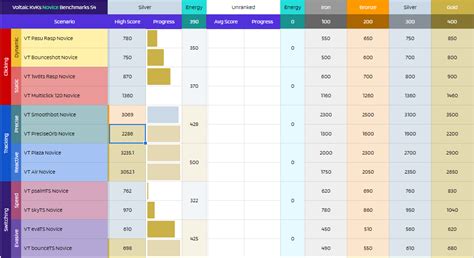
- Aim Training: Utilizing dedicated aim trainers like KovaaK’s or Aim Lab is crucial. Drills should cover flicking, tracking, target switching, and micro-adjustments. Varied scenarios help simulate different in-game situations, building muscle memory and reaction time.
- Crosshair Placement: Beyond raw aim, consistently pre-aiming at common angles and headshot levels reduces the time needed to acquire targets, giving a significant advantage. This is honed through deliberate practice in-game and custom maps.
- Movement Mechanics: Mastering character movement – strafing, peeking, jumping, and using cover effectively – can win duels and create positional advantages. This involves understanding timings and character hitboxes.
Cultivating Superior Game Sense and Strategy
While mechanics are foundational, game sense is what separates good players from great ones. This intangible skill dictates decision-making, positioning, and overall strategic play:
- Map Knowledge: Deep understanding of every map, including common angles, sightlines, flank routes, and utility spots, is paramount. This allows for proactive plays and predictive movements.
- Utility Usage: Learning the precise timings and effective deployment of grenades, smokes, flashes, and character abilities can completely swing rounds. This involves countless hours of practice and experimentation.
- Communication & Coordination: Effective team communication, clear callouts, and synchronized pushes or retakes are vital in team-based FPS titles. Scrims and VOD reviews are key to refining these skills.
- Economy Management: In games with an economy system, understanding when to save, when to buy, and how to maximize team resources is a strategic layer that can dictate match outcomes.
The Importance of Physical and Mental Fortitude
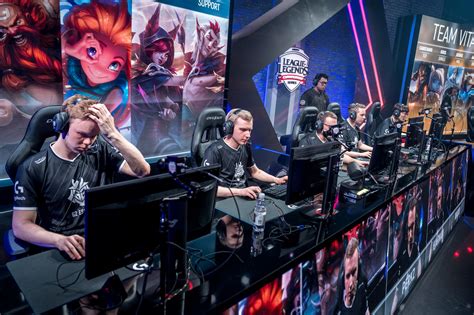
Esports is a mental marathon, and physical well-being directly impacts cognitive performance. Neglecting these aspects can lead to burnout, decreased reaction times, and poor decision-making:
- Physical Health: Regular exercise, a balanced diet, and sufficient sleep (7-9 hours) are non-negotiable. These improve focus, reaction time, and reduce fatigue over long sessions or tournaments.
- Mental Resilience: Players need to develop strategies for managing tilt, pressure, and anxiety. Mindfulness exercises, breaks, and sports psychology techniques can help maintain composure under stress.
- Growth Mindset: Embracing a mindset that views failures as learning opportunities and continuously seeks improvement is crucial for long-term development and adapting to changing metas.
Structured Practice and Performance Analysis
Randomly playing games won’t lead to optimal improvement. A structured approach is essential:
- Dedicated Drills: Incorporate specific aim drills, movement exercises, and utility practice into daily routines.
- VOD Review: Critically analyzing gameplay footage – both individual and team play – identifies mistakes, highlights areas for improvement, and reinforces good habits. This is often done with coaches or teammates.
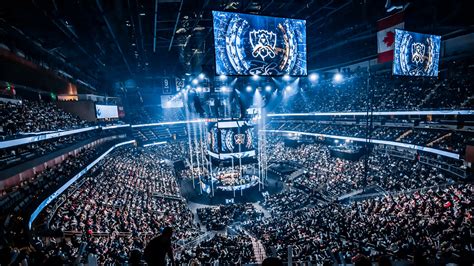
- Scrims & Competitive Play: Engaging in high-level scrimmages against other strong teams provides real-world pressure testing and allows for the application of learned strategies in a competitive environment. Ladder play, while less structured, helps maintain individual sharpness.
- Feedback Integration: Actively seeking and implementing feedback from coaches and teammates is vital for accelerating progress and addressing blind spots.
Integrating a Holistic Training Schedule
An optimal daily or weekly routine might look like this:
- Warm-up (30-60 min): Light physical activity, dynamic stretching, aim trainer drills.
- Individual Practice (1-2 hours): Specific aim drills, movement practice, custom map exploration, utility lineups.
- Team Practice/Scrims (3-4 hours): Coordinated strategy execution, communication drills, live game scenarios.
- VOD Review (1-2 hours): Analyzing recent games, identifying errors, discussing solutions.
- Cool-down/Review (30 min): Light stretching, mental reset, planning for the next session.
- Breaks & Rest: Integrate regular short breaks throughout the day and ensure sufficient rest days.
Consistency, discipline, and a willingness to adapt are the hallmarks of a successful Esports professional. By meticulously crafting and adhering to a routine that balances mechanical skill, strategic intellect, and personal well-being, aspiring FPS Esports athletes can significantly boost their competitive performance and reach the pinnacle of their game.