Beyond ranked: How do amateur esports teams attract pro scouts?

The Shifting Landscape of Esports Scouting
For aspiring professional esports players, the dream often begins with hitting the highest ranks in their respective games. While a formidable individual rank is undeniably a prerequisite, it’s rarely the sole factor that catches the eye of a discerning pro scout. The competitive landscape has evolved, and scouts are now looking beyond raw mechanical skill, seeking a comprehensive package of talent, professionalism, and potential within the team dynamic.
Amateur teams aiming for the big leagues must understand that their collective performance, synergy, and off-game conduct are as crucial as their individual leaderboards. This holistic approach is what separates a promising squad from a fleeting collection of skilled players.
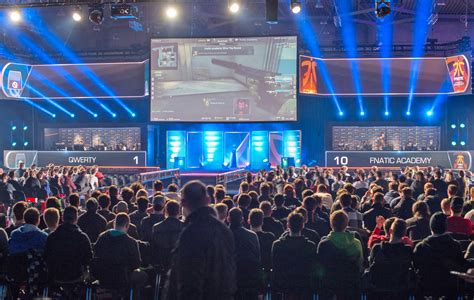
Mastering Team Synergy and Communication
One of the most critical aspects scouts evaluate is a team’s ability to operate as a cohesive unit. Esports is inherently a team-based endeavor, and even the most individually talented players can falter without effective coordination. Scouts look for clear, concise, and timely communication, especially during high-pressure moments. This includes effective shot-calling, clear objective prioritization, and the ability to adapt strategies on the fly based on enemy movements or unforeseen circumstances.
Demonstrating impeccable team chemistry, understanding roles implicitly, and executing complex strategies flawlessly are far more indicative of professional potential than a single player’s KDA. VOD reviews where teams openly discuss mistakes and learn from them also highlight coachability and a growth mindset.
Beyond the KDA: Game Sense and Strategy
Individual stats can be misleading. A high kill-death-assist ratio might signify mechanical prowess, but it doesn’t always reflect superior game sense. Scouts are keenly interested in players and teams that exhibit deep strategic understanding – knowing when to push, when to retreat, how to control objectives, and how to manipulate the map. This involves advanced macro-play, efficient resource management, and a comprehensive understanding of meta shifts. Amateur teams that consistently show intelligent decision-making, even in losses, stand out.
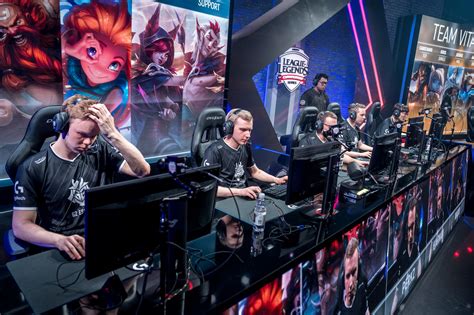
Cultivating Mental Fortitude and Professionalism
The mental game in esports is as vital as the mechanical one. Pro scouts are on the lookout for players and teams who demonstrate resilience under pressure, maintain a positive attitude regardless of in-game setbacks, and exhibit unwavering focus. A team that can recover from a significant deficit, or one that avoids tilt after a bad play, signals strong mental fortitude – a non-negotiable trait in the high-stakes world of professional esports.
Professionalism extends beyond in-game conduct to online presence. Scouts frequently review social media, streaming history, and community interactions. Players and teams who maintain a respectful, positive, and constructive online persona are far more appealing than those prone to toxicity or drama. Coachability – the willingness to accept constructive criticism and adapt – is another highly sought-after attribute.

Building a Recognizable Brand and Competitive Track Record
Merely performing well in ranked ladders isn’t enough; amateur teams need to actively seek out competitive environments. Participating in and performing well in amateur leagues, online tournaments, and local LAN events provides tangible proof of competitive ability against structured teams. A consistent track record of strong performances, especially wins against other notable amateur teams, acts as a compelling resume.
Furthermore, developing a visible online presence through streaming, creating highlight reels, and engaging with the community can significantly boost a team’s profile. A professional-looking team brand, complete with a logo, social media presence, and even basic content creation, signals seriousness and ambition to potential scouts.
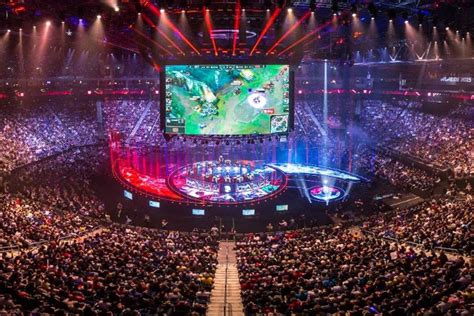
Networking and Exposure: Making the Right Connections
In the esports world, as in traditional sports, networking plays a crucial role. Engaging with higher-ranked players, coaches, and even current professional players can open doors. Attending esports events, both online and physical, provides opportunities to meet key figures in the industry. Creating well-produced highlight reels or team montages that specifically showcase teamwork, clutch plays, and strategic execution can also be shared directly with scouts or talent agencies.
Utilizing analytical tools to track and demonstrate team improvement over time, backing up claims of skill with data, can also impress scouts who are increasingly reliant on metrics. Showcasing clear progress in areas like objective control, vision score, or specific team fight win rates provides concrete evidence of development.

Conclusion: The Multi-faceted Path to Pro
Attracting professional esports scouts is no longer a simple matter of individual mechanical skill or high ranked play. It demands a sophisticated, multi-faceted approach where amateur teams must excel in teamwork, communication, strategic game sense, and mental resilience. Beyond the game, a commitment to professionalism, active participation in competitive circuits, and strategic networking are vital. Teams that present a cohesive, coachable, and professional package—both in and out of the game—are the ones most likely to catch the eye of scouts searching for the next generation of esports stars.