What’s the best guide structure to avoid spoilers yet stay easy to navigate for gamers?

For many gamers, a well-crafted guide can be the difference between frustrating stagnation and triumphant progression. However, the delicate balance between providing timely assistance and inadvertently revealing crucial plot points or puzzles is a constant challenge for guide writers. The ideal guide empowers players without spoiling the magic of discovery, yet remains intuitive and quick to use when help is truly needed.
The Dual Challenge: Spoilers vs. Navigation
The core dilemma lies in the nature of modern video games. Many titles are narrative-driven, featuring intricate stories, unexpected twists, and challenging puzzles designed for the player to figure out. A guide that prematurely reveals these elements diminishes the player’s sense of accomplishment and the emotional impact of the narrative. Simultaneously, a guide that is too vague or poorly organized can be just as frustrating, rendering it useless when a player is truly stuck and needs a quick, clear answer.

Strategies for Effective Spoiler Avoidance
To preserve the player’s experience, several structural approaches can be employed. Firstly, adopt a modular design. Guides should be broken down into discrete sections, often aligning with in-game chapters, missions, or distinct areas. Each section should focus only on the immediate objectives and potential challenges within that specific segment, avoiding any mention of future events.
Secondly, implement robust spoiler warnings. For sections containing significant plot revelations or complex puzzle solutions that some players might prefer to solve themselves, use clear “SPOILER AHEAD” headings or collapsible sections that require a click to reveal. This gives agency back to the player, allowing them to decide how much assistance they want.
Thirdly, consider offering different guide pathways. A “critical path” guide could focus solely on progression through the main story, while a separate or clearly marked “100% Completion” or “Collectibles” section could be dedicated to optional content. This allows players to choose their level of engagement without accidentally stumbling upon main story spoilers while looking for a side quest.

Designing for Seamless Navigation
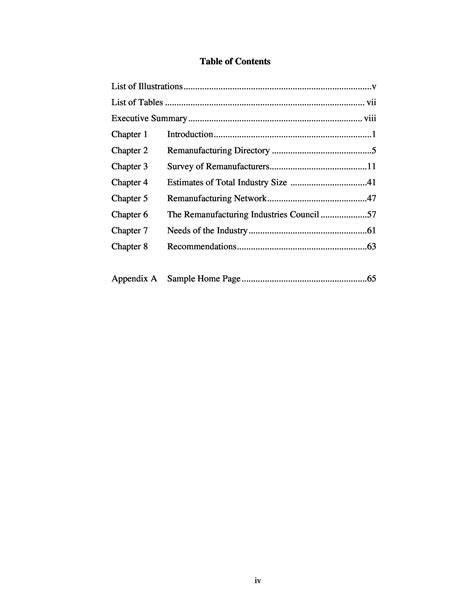
Even with careful spoiler management, a guide’s utility hinges on its ease of navigation. A comprehensive Table of Contents (TOC) is non-negotiable, ideally located at the top of the page or easily accessible via a sticky sidebar. This TOC should be highly detailed, linking directly to specific sub-sections, quests, or even individual puzzles within a larger chapter.
Clear, descriptive headings and subheadings are vital. Instead of generic “Part 1,” use “Chapter 3: The Whispering Woods – Main Quest Objectives” and then “Finding the Ancient Relic” as a subheading. Consistent formatting for key information (e.g., bolding item names, using bullet points for steps) further enhances readability and scannability.
For longer guides, a robust search function tailored to game-specific terms can be incredibly helpful. Imagine a player needing to find a specific item or NPC – a quick search should take them directly to the relevant information without sifting through pages of text. Furthermore, integrating visual cues like simple, non-spoiler maps or screenshots highlighting specific locations or items (without revealing puzzle solutions or enemy placements ahead of time) can significantly improve clarity.
Conclusion: The Art of Subtlety and Clarity
Ultimately, the best guide structure is one that anticipates player needs while respecting their desire for discovery. It’s a delicate dance between revealing just enough and holding back crucial information until requested. By employing modular sections, explicit spoiler warnings, varied guide pathways, and robust navigational tools like detailed tables of contents and descriptive headings, guide writers can create resources that genuinely enhance the gaming experience rather much than detracting from it. The goal is to be a helpful companion, not a plot summary, ensuring every player can conquer challenges at their own pace and enjoy every twist the game has to offer.