How do amateur Esports players find competitive teams and improve game sense?

Many passionate gamers dream of making it in the competitive Esports scene, but the jump from casual play to organized competitive teams can seem daunting. For amateur players, two crucial aspects stand out: successfully finding a like-minded, competitive team and consistently improving their game sense – the intuitive understanding and decision-making that separates good players from great ones. This guide will explore practical strategies for achieving both.
The Quest for a Competitive Team
Finding the right team is less about luck and more about proactive searching and networking.
- Online Platforms & Communities: Discord servers dedicated to specific games or Esports organizations are goldmines. Websites like Teamfind.com, Gamersrdy, or even official game forums often have “looking for group/team” sections. Be prepared with a short resume of your in-game experience, preferred roles, and availability.
- In-Game Networking: Play ranked matches consistently and pay attention to players who demonstrate good communication, skill, and sportsmanship. Don’t hesitate to send a friend request and a message expressing interest in playing together competitively.
- Local & Online Tournaments: Participating in smaller, amateur tournaments is an excellent way to get noticed and meet other competitive players. Even if you don’t win, the experience and connections are invaluable.
- Tryouts: Many established amateur teams will hold tryouts. Be honest about your skill level, show up on time, and demonstrate coachability and a positive attitude. Technical skill can be taught, but a good mindset is harder to find.
Sharpening Your Game Sense
Game sense isn’t something you’re born with; it’s developed through deliberate practice and critical analysis. It encompasses map awareness, understanding win conditions, predicting opponent moves, and making optimal decisions under pressure.
- VOD Review (Video On Demand): This is perhaps the most powerful tool. Record your own gameplay and watch it back with a critical eye. Identify mistakes in positioning, ability usage, and decision-making. Don’t just watch your own; analyze professional players’ VODs to understand why they make certain plays and how they perceive the game.
- Deep Dive into Game Mechanics: Understand every nuance of your chosen game. What are the damage numbers? Cooldowns? Spell ranges? How do different abilities interact? This foundational knowledge informs better decision-making.
- Map Awareness & Objective Control: Constantly check your minimap. Understand spawn timers, objective timings, and choke points. Good game sense means knowing when to push an advantage and when to retreat or rotate to an objective.
- Communication is Key: In a team setting, clear and concise communication is vital. Practice calling out enemy positions, intentions, and key cooldowns. This collective information enhances the entire team’s game sense.
Structured Practice and Mindset
Beyond individual analysis, structured team practice is crucial.
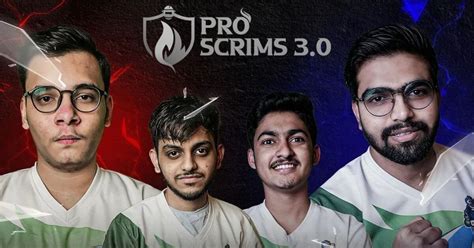
- Scrims (Sc练习 Matches): Playing against other competitive teams allows you to test strategies, refine communication, and expose weaknesses in a low-stakes environment. Treat scrims as serious practice sessions, not just casual games.
- Dedicated Drills: Break down complex scenarios into smaller, repeatable drills. For example, practicing specific teamfight engagements, objective rushes, or defensive holds.
- Learn from Losses: Every loss is a learning opportunity. Instead of getting frustrated, analyze what went wrong, both individually and as a team. What could have been done differently?
- Mental Fortitude: Esports is as much a mental game as it is a physical one. Develop resilience, learn to manage tilt, and maintain a positive attitude, even in challenging situations. A strong mental game contributes directly to consistent decision-making and thus, better game sense.
The Synergy of Team and Individual Growth
A well-structured team provides an environment where individual game sense can flourish. Teammates can offer different perspectives during VOD reviews, point out blind spots, and reinforce good habits. Conversely, a team composed of players with strong individual game sense makes for a formidable unit, capable of adapting to various in-game situations dynamically. Regular discussions about strategy, meta changes, and opponent tendencies are essential for collective growth.
Conclusion
The journey from amateur player to competitive Esports contender is a marathon, not a sprint. It demands dedication, self-awareness, and a proactive approach. By actively seeking out the right team through diverse channels and rigorously dedicating yourself to improving your game sense through VOD reviews, structured practice, and mindful gameplay, amateur players can significantly elevate their competitive standing. Remember, consistency, a willingness to learn, and strong teamwork are the pillars of success in the challenging yet rewarding world of Esports.