How can gaming guides remain relevant for patches/DLC without full rewrites?

The Ever-Evolving Game: Why Guides Go Stale
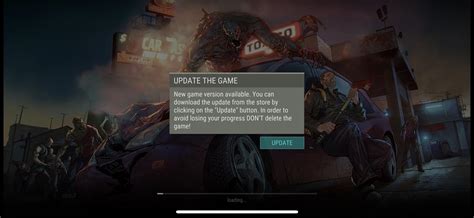
In the dynamic world of video games, a guide written today can be outdated by tomorrow’s patch or the next major DLC release. Developers constantly tweak balance, introduce new mechanics, characters, or zones, rendering carefully crafted strategies, item builds, or quest walkthroughs obsolete. This rapid evolution presents a significant challenge for guide creators: how do you keep your valuable content accurate and helpful without committing to a full rewrite every few weeks or months?
The traditional, static guide struggles in this environment. Players rely on up-to-date information, and an outdated guide can be more detrimental than no guide at all, leading to frustration and misinformation. The key lies not in stopping the game’s evolution, but in evolving our approach to guide creation itself.
Embracing a Modular and Principle-Based Design
One of the most effective strategies for long-term guide relevance is to adopt a modular and principle-based design. Instead of monolithic blocks of text, break your guide into distinct, self-contained sections. This allows for targeted updates rather than overhauls. For instance, separate core mechanics explanations (which rarely change drastically) from specific build recommendations (which are highly volatile).
Furthermore, focus on explaining underlying game principles rather than just rote instructions. Teach players why a certain strategy works, or how to evaluate new items, rather than simply listing the “best” gear. Principles like resource management, combat spacing, or specific class roles tend to persist even as numerical values shift. This empowers players to adapt their understanding to new content.

Versioning, Changelogs, and Dynamic Links
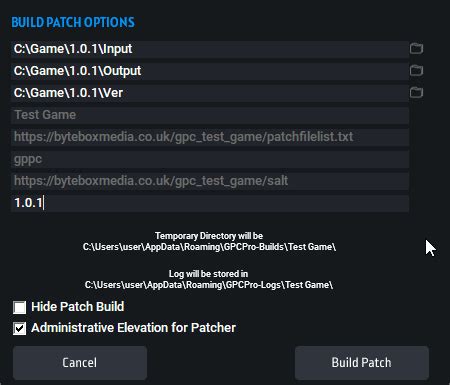
To explicitly address changes, implement clear versioning within your guides. Each section or even the entire guide can be marked with the patch version it pertains to. When an update hits, instead of rewriting, you might add an “Update 1.2.0 Notes” section to a relevant part, detailing the specific changes and their impact. A dedicated changelog at the beginning or end of the guide can provide a quick overview of all modifications made since its initial publication.
Leveraging dynamic content through links is another powerful tool. Instead of embedding static data that quickly ages, link out to official patch notes, community-maintained wikis, build calculators, or tier lists. While you maintain the core guide, external resources handle the minute, constantly shifting data, ensuring your readers always have access to the latest numbers without you having to manually update every single statistic.
Community Contributions and Wiki Models
For large, evolving games, the community itself can be a powerful asset in maintaining guide relevance. Adopting a wiki-style model, where multiple contributors can update and verify information, naturally distributes the workload. While this requires moderation, it ensures a constant flow of fresh data and diverse perspectives.
Even for single-author guides, encouraging comments, feedback, and user-submitted tips can highlight areas needing updates or provide alternative strategies that emerge with new content. A dedicated “Community Notes” section can even incorporate vetted player insights, adding depth and keeping the guide fresh.

The Future: Hybrid Guides and Adaptability
The most resilient guides of the future will likely be hybrid entities. They will combine strong foundational text (modular and principle-based) with dynamic elements like embedded update logs, links to live data, and perhaps even integrated video clips demonstrating new mechanics or strategies. The emphasis will shift from a static “book” to a living, breathing resource.
Guide creators must become less like authors of a finished manuscript and more like curators of an evolving knowledge base, constantly monitoring game changes and strategically applying updates. This adaptability is crucial not only for guide longevity but also for maintaining credibility with a player base hungry for accurate, timely information.

In conclusion, keeping gaming guides relevant in the face of continuous updates and DLC doesn’t require constant, exhausting rewrites. Instead, it demands a strategic shift towards modular design, principle-focused content, clear versioning, the smart use of external resources, and an openness to community collaboration. By embracing these techniques, guide creators can ensure their work remains a valuable and trusted companion for players navigating ever-changing virtual worlds.