What specific game elements or pitch components increase an indie’s chance for a Spotlight feature?
In the crowded digital landscape of indie games, standing out to platform curators, press, and content creators for a coveted ‘Spotlight feature’ can feel like finding a needle in a haystack. Yet, certain game elements and pitch strategies consistently catch the eye of those looking for the next big hit or hidden gem. Understanding these factors is crucial for any indie developer aiming to elevate their project beyond obscurity.
The Irresistible Game Itself: Core Elements That Shine
While a great pitch can open doors, the game at its heart must be compelling. Curators are often looking for projects that offer something genuinely new or execute familiar concepts with exceptional polish.
Innovation and Unique Mechanics: The most significant draw is often a fresh take. Does your game introduce a mechanic that feels novel? Does it blend genres in an unexpected way? Games that provide a unique experience or solve a problem in an innovative manner immediately grab attention. Think beyond simple reskins; aim for a fundamental twist.
Distinctive Art Style and Cohesive Audio: Visuals are the first impression, and a strong, recognizable art style can make your game instantly memorable. This doesn’t necessarily mean cutting-edge graphics, but rather a consistent, appealing aesthetic that complements your game’s themes. Similarly, a well-crafted soundtrack and impactful sound design immerse players and add significant production value.
Polish, Performance, and Playability: Nothing derails a potential feature faster than a buggy, unoptimized, or unintuitive experience. A game that runs smoothly, feels good to play, and has a clear user interface demonstrates professionalism and respect for the player’s time. This includes thoughtful tutorials and accessibility options.

Crafting an Unforgettable Pitch
Even the most brilliant game needs an equally brilliant presentation. Your pitch is your game’s advocate, and it needs to communicate its value quickly and effectively.
The Power of a Clear Hook & Elevator Pitch: You need to convey what makes your game special in 1-2 sentences. What’s the core loop? What’s the unique selling proposition? This ‘elevator pitch’ should be memorable, exciting, and instantly understandable, serving as the foundation for all your communications.
Visual Storytelling: High-Quality Trailer & Screenshots: A compelling trailer is paramount. It should be concise (60-90 seconds is ideal), showcase gameplay, highlight unique features, and evoke the game’s mood. Similarly, your screenshots should be high-resolution, action-packed, and representative of the best moments and most beautiful environments in your game. These are often the first thing people see.
The Playable Demo: Your Strongest Evidence: For many, a well-curated demo is the ultimate proof of concept. It allows curators to experience the game firsthand, confirming its quality and potential. Ensure the demo is polished, bug-free, and offers a representative, self-contained slice of the core gameplay loop, ending on a high note.

Strategic Considerations & Professionalism
Beyond the game and the core pitch, how you engage with the industry and present yourself as a developer also plays a significant role.
Understanding Your Audience & Market: Demonstrate that you know who your game is for and why it fits a particular niche or broader market trend. Understanding where your game sits in the current landscape shows strategic thinking and can help curators place your title within their content plans.
Team Credibility & Story: While not always a deal-breaker, a compelling story behind the development team or previous successes can add weight to your pitch. Highlight relevant experience, passion, and any unique background that informs your project. A well-known developer, even from a previous project, can also be a significant boost.
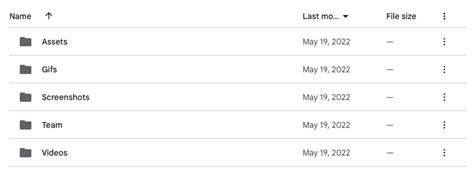
The Organized Press Kit & Follow-Up: A professional press kit, easily accessible on your website, is non-negotiable. It should include logos, key art, screenshots, the trailer, a game description, developer bios, and contact information. A polite, timely, and non-spammy follow-up after an initial pitch shows professionalism.
Beyond the Basics: Building Hype & Community
Pre-release buzz and community engagement can signal to platforms that your game already has an audience and will generate interest.
Early Engagement & Social Presence: Building a community around your game early on, through social media, Discord, or devlogs, demonstrates existing traction and potential for organic reach. A growing wishlist count on platforms like Steam is also a strong indicator of market interest.
Awards, Recognition, and Testimonials: Any accolades, no matter how small, from game jams, festivals, or industry publications, can add significant credibility. Positive previews or quotes from respected journalists or content creators can also serve as powerful endorsements within your pitch.
Ultimately, securing a Spotlight feature is a blend of having an exceptional product and presenting it in the most professional, compelling way possible. Focus on innovation, polish, clear communication, and strategic outreach, and you’ll significantly increase your chances of shining in the crowded indie game universe.