What actionable steps can competitive gamers take to prevent burnout and tilt?
The high-stakes, high-pressure environment of competitive gaming, while exhilarating, also presents significant challenges to a player’s mental and emotional well-being. Two of the most common and detrimental obstacles are burnout and tilt. Both can severely impact performance, enjoyment, and ultimately, a player’s career longevity. Understanding how to proactively prevent these issues and react effectively when they arise is crucial for any aspiring or professional competitive gamer.
The Twin Foes: Understanding Burnout and Tilt
Burnout, in the context of esports, is a state of physical or emotional exhaustion combined with a reduced sense of accomplishment and loss of personal identity. It typically stems from prolonged periods of intense stress without adequate recovery. Symptoms can include chronic fatigue, irritability, a cynical attitude towards gaming, and a significant drop in performance.
Tilt, on the other hand, is a state of mental or emotional confusion or frustration that leads to suboptimal play. It’s often triggered by a specific in-game event – a bad loss, a perceived injustice, or a teammate’s mistake – and can quickly spiral into a cycle of poor decisions, aggressive plays, and self-sabotage. While burnout is a long-term issue, tilt can strike in a single game.
Proactive Strategies to Combat Burnout
1. Structured Practice and Strategic Breaks
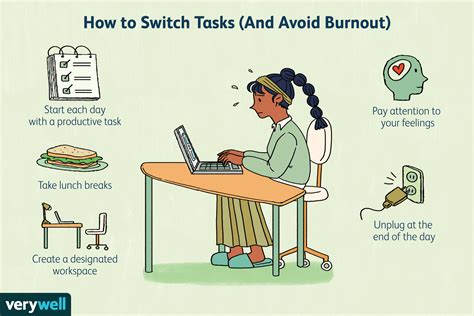
Grinding endlessly might seem productive, but it’s a fast track to burnout. Implement a structured practice schedule that includes dedicated warm-up, focused training, and cool-down periods. Crucially, integrate regular breaks. Short 5-10 minute breaks every hour can significantly reduce mental fatigue. Ensure you have longer breaks daily (e.g., stopping gaming several hours before bed) and at least one full day off from gaming each week to fully disconnect and recharge.
2. Prioritize Physical Well-being
Your body and mind are interconnected. Neglecting one will impact the other. Aim for 7-9 hours of quality sleep per night. Fuel your body with nutritious meals and snacks, avoiding excessive caffeine and sugary drinks. Incorporate regular physical exercise – even short walks or stretching can make a huge difference in stress reduction, blood flow, and mental clarity. Proper ergonomics for your gaming setup can also prevent physical strain.
3. Cultivate a Life Outside Gaming
Dedication is important, but a singular focus can be detrimental. Engage in hobbies and activities completely unrelated to gaming. This provides a mental escape, broadens your perspective, and reminds you that your self-worth isn’t solely tied to your competitive performance. Spending time with friends and family, reading, learning a new skill, or exploring nature can all act as powerful mental resets.
On-the-Fly Tilt Management
1. Recognize Your Triggers and Early Warning Signs
Self-awareness is your first line of defense against tilt. Pay attention to how your body and mind react when frustration starts to build. Do you clench your jaw? Start sighing heavily? Do your thoughts become more negative and self-critical? Identifying these early signs allows you to intervene before tilt takes full control.
2. Implement Immediate De-escalation Techniques
- Deep Breathing: Take several slow, deep breaths. Inhale deeply through your nose, hold for a few seconds, and exhale slowly through your mouth. This activates your parasympathetic nervous system, calming your fight-or-flight response.
- Micro-Breaks: If possible, step away from the screen for 30 seconds to a minute. Get a drink of water, stretch, or simply close your eyes.
- Positive Self-Talk: Replace negative thoughts with constructive ones. Instead of “I’m so bad,” try “What can I learn from this?” or “Focus on the next play.”
- Strategic Mutes: If team chat is becoming toxic or overwhelming, don’t hesitate to mute players or mute all chat temporarily to regain focus.
3. The “Reset Button” After a Loss
After a particularly frustrating loss or a losing streak, it’s often best to step away entirely. Continuing to queue up in a tilted state will likely lead to further losses and deeper frustration. Take a significant break – go for a walk, watch something relaxing, or talk to a friend. Come back later with a fresh mindset.
Cultivating Long-Term Resilience
1. Objective Post-Game Analysis
Instead of dwelling on mistakes with emotional blame, conduct objective post-game analysis (VOD reviews). Focus on identifying actionable areas for improvement rather than simply replaying frustrating moments. This separates your performance from your self-worth and turns failures into learning opportunities.
2. Set Realistic Goals and Celebrate Progress
Unrealistic expectations can fuel burnout and tilt. Set achievable, incremental goals for your improvement. Celebrate small victories and progress, rather than fixating solely on rank or tournament wins. This fosters a sense of accomplishment and keeps motivation high.
3. Build a Strong Support System
Openly communicate with your teammates, coach, or a trusted mentor about your struggles. A strong team culture built on mutual support can be a powerful buffer against both burnout and tilt. Consider seeking guidance from a sports psychologist or therapist specializing in performance if you find it difficult to manage these issues independently.

Conclusion
Preventing burnout and managing tilt aren’t signs of weakness; they are critical skills for sustainable, high-level competitive performance. By integrating these actionable steps – from structured self-care and developing interests outside gaming to immediate in-game de-escalation and fostering long-term resilience – competitive gamers can maintain their passion, optimize their performance, and enjoy a healthier, more successful journey in the demanding world of esports.