What strategies boost team synergy and comms for competitive esports tournament wins?
The Critical Edge: Synergy and Communication in Esports
In the high-stakes world of competitive esports, individual skill is merely the entry ticket. True champions are forged through unparalleled team synergy and impeccable communication. A team that moves as one, anticipating each other’s actions and reacting instantaneously to evolving game states, holds a decisive advantage over even the most individually talented opponents. This article delves into the core strategies that transform disparate players into a cohesive, winning unit.
Building Unbreakable Team Synergy
Synergy isn’t just about playing well together; it’s about a deep, unspoken understanding and trust. It’s the glue that holds a team together under pressure.
Shared Vision and Goals
Every member must be aligned on the ultimate objective: winning the tournament. Beyond that, a shared understanding of the team’s playstyle, philosophy, and strategic approach is crucial. Regular discussions about long-term goals and short-term objectives ensure everyone is pulling in the same direction, minimizing internal conflicts and fostering a unified front.
Clear Role Definition and Trust
Each player needs a well-defined role within the team, understanding their responsibilities and how they contribute to the larger strategy. Equally important is developing absolute trust in teammates to execute their roles. This trust is built through consistent performance, accountability, and the belief that every player will do what’s necessary for the team’s success.
Beyond the Game: Team Bonding
Synergy extends beyond the in-game environment. Spending time together outside of practice, engaging in team-building activities, or even just casual social interactions helps forge stronger personal bonds. These relationships translate into better understanding, empathy, and resilience when facing adversity in competitive play.
Mastering Communication for Competitive Edge
Communication is the lifeblood of an esports team. It’s how information is shared, decisions are made, and strategies are executed in real-time.
Clarity, Conciseness, and Timeliness
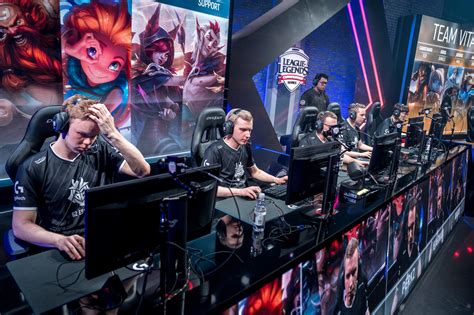
Effective communication in esports demands calls that are clear, concise, and delivered at the right moment. Players must convey critical information (enemy positions, cooldowns, intentions) without unnecessary chatter, ensuring teammates can quickly process and act upon it. Practice helps refine this to a near-instinctual level.

Active Listening and Acknowledgment
Communication is a two-way street. Players must not only transmit information but also actively listen to their teammates. Acknowledging calls (e.g., “copy,” “understood,” “on my way”) confirms receipt and understanding, preventing miscommunication and ensuring everyone is on the same page.
Standardized Terminology and Calls
Developing a team-specific lexicon of standardized calls and terminology reduces ambiguity and speeds up information transfer. Everyone should use the same names for locations, items, abilities, and strategic maneuvers. This ensures that a call like “push B short” means the exact same thing to every player, every time.
Leveraging Post-Game Analysis and Feedback
The learning doesn’t stop when the match ends. Post-game analysis is crucial for refinement and growth.
VOD Reviews and Constructive Criticism
Regularly reviewing Video on Demand (VODs) of matches allows teams to objectively analyze their gameplay, identify mistakes, and pinpoint areas for improvement in both synergy and communication. A culture of constructive criticism, where feedback is given and received respectfully with the goal of improvement, is vital. Focusing on specific instances rather than generalized blame fosters growth.

The Mental Game: Emotional Regulation in Comms
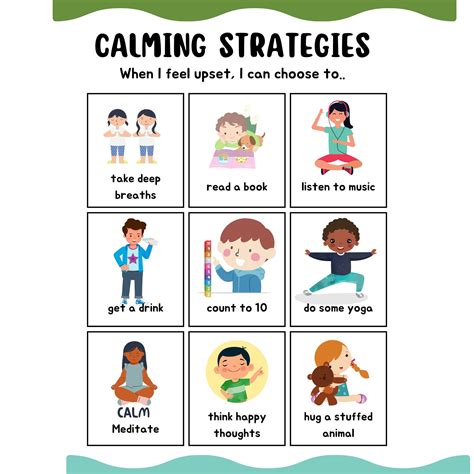
Pressure often brings out raw emotions. A key strategy is for players to develop emotional regulation, ensuring that frustration or anger doesn’t spill into communication. Calm, collected calls, even in dire situations, maintain clarity and prevent compounding errors. Practicing mindfulness and stress management techniques can significantly help in this regard.
Practice and Adaptation: The Path to Consistency
These strategies are not static; they require constant practice and adaptation. Teams must consistently drill their communication patterns, refine their synergy through scrims and competitive matches, and be willing to adapt their strategies based on opponent analysis and evolving game metas. The teams that can learn, adapt, and execute under pressure are the ones that consistently find themselves at the top.
Conclusion
Winning competitive esports tournaments is a multifaceted challenge, but the bedrock of consistent success lies in cultivating exceptional team synergy and mastering communication. By implementing strategies for shared vision, clear roles, strong personal bonds, precise calls, active listening, standardized terminology, thorough analysis, and emotional regulation, teams can unlock their full potential. These aren’t just skills; they are fundamental pillars that elevate a collection of talented individuals into an unstoppable, championship-caliber force.