What specific indie game criteria increase chances for an Indie Spotlight feature?
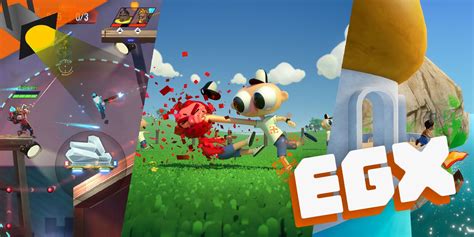
Unlocking the Indie Spotlight: Key Criteria for Recognition
In the vast and ever-growing landscape of independent games, standing out is a monumental challenge. Many developers dream of their game being picked up for an “Indie Spotlight” feature by platforms, media outlets, or influential curators. But what exactly are these gatekeepers looking for? While there’s no magic formula, certain criteria consistently increase an indie game’s chances of catching the eye and earning that coveted spotlight.
Innovation and Unique Selling Proposition (USP)
The first and perhaps most crucial element is innovation. Curators are constantly seeking games that offer something fresh and new. This doesn’t necessarily mean inventing an entirely new genre, but rather bringing a unique twist to existing mechanics, a novel narrative approach, or a distinct artistic vision that hasn’t been overdone. What makes your game truly stand apart from the crowd? A clear and compelling Unique Selling Proposition (USP) is essential.

Exceptional Polish and Presentation
First impressions are paramount. A game might have brilliant ideas, but if it looks unpolished, runs poorly, or has a clunky user interface, it will likely be overlooked. This includes crisp visuals, engaging audio design, smooth performance, and intuitive controls. Attention to detail in every aspect of the game’s presentation—from the main menu to the in-game assets—signals professionalism and dedication. Bugs, glitches, and a general lack of refinement are immediate red flags.
Furthermore, a strong visual identity is key. Whether it’s pixel art, 3D, or hand-drawn, the art style should be cohesive, striking, and consistent throughout the game. High-quality promotional materials, such as trailers and screenshots, also fall under this umbrella and are vital for initial assessment.

Engaged Community and Developer Presence
Beyond the game itself, the developer’s engagement with their potential audience plays a significant role. Curators often look for games that already have a budding community, showing signs of interest and buzz. This could manifest as active Discord servers, regular updates on social media, successful Kickstarter campaigns, or popular demo releases. A visible and passionate developer who communicates openly and consistently builds trust and demonstrates a long-term commitment to their project.
Accessibility and Broad Appeal (Where Appropriate)
While niche games certainly find their audience, games with a broader appeal or features that enhance accessibility can sometimes garner more attention. This doesn’t mean watering down your vision, but rather considering how easily new players can jump in, or if there are options for players with different needs. A game that is enjoyable for a wider demographic without sacrificing its core identity often has a greater chance of reaching a larger audience through a spotlight feature.
Market Readiness and Professional Communication
Finally, timing and professionalism matter. When submitting a game for consideration, it should be in a state that is relatively close to release or already launched, demonstrating stability and completeness. Developers should provide clear, concise, and professional press kits, including high-resolution assets, a compelling synopsis, and readily available contact information. Being responsive and easy to work with can significantly influence a curator’s decision.

In conclusion, while sheer artistic merit and fun gameplay are foundational, elevating an indie game to an “Indie Spotlight” often requires a combination of genuine innovation, meticulous polish, strategic community building, and professional readiness. By focusing on these specific criteria, independent developers can significantly increase their chances of breaking through the noise and getting their creations the recognition they deserve.