How can gaming reviews effectively update for post-launch content/fixes?
The Evolving Game Landscape: Why Initial Reviews Stagnate
In today’s dynamic gaming industry, the concept of a finished game at launch is rapidly becoming a relic of the past. Many titles, particularly those operating as live services or major online multiplayer experiences, continue to evolve significantly long after their initial release. Patches address bugs, balance updates tweak gameplay, new content expands narratives, and entire expansions transform the scope of the original product. This constant evolution poses a fundamental challenge for traditional gaming reviews: how can a static assessment remain relevant when its subject is in perpetual motion?
An initial review, no matter how thorough, captures a game at a single point in time. It might accurately reflect the launch experience, but it quickly risks becoming outdated. A game panned for technical issues at launch could become a masterpiece after several major patches, while a critically acclaimed title might stumble with poorly received DLC or a shift in its core design philosophy. For consumers looking to make informed purchasing decisions months or even years after release, an un-updated review can be misleading, frustrating, and ultimately unhelpful.
Current Approaches and Their Limitations
Gaming publications have attempted various methods to address this dilemma, each with its own set of pros and cons. Some opt for full re-reviews, but these are resource-intensive and can dilute the impact of the original assessment. Others append short update paragraphs or revise scores directly within the original review, but these can be easily missed or lack the depth required to explain significant changes.
The lack of a standardized approach means that review updates are often inconsistent. A critical patch for one game might warrant a follow-up, while a equally impactful change for another might go unmentioned. This inconsistency not only creates confusion for readers but also undermines the credibility of the review system as a whole. Without clear indicators of what has changed and how it impacts the overall experience, the value of a gaming review diminishes over time.
Strategies for Dynamic Review Updates
To effectively address the challenge of post-launch content and fixes, gaming reviews need to adopt more dynamic and transparent methodologies. Here are several strategies that can be implemented:
1. Version Control and Transparency
Every review should explicitly state the game version being reviewed, similar to software versioning. Furthermore, publications should maintain a prominent log of major updates (patches, DLC releases) with brief notes on their impact, directly linked from the original review. This allows readers to quickly understand what changes have occurred since the review’s publication and whether they are reading an assessment relevant to the current game state.
2. Dedicated Update Sections or “Living Reviews”
Instead of merely appending notes, reviews could feature dedicated, date-stamped “Update” or “Addendum” sections. These sections would offer detailed commentary on how specific patches or content drops have altered the gameplay, narrative, technical performance, or overall value proposition. Some outlets have experimented with “Living Reviews” where the article itself is continuously edited and updated, with clear version histories or change logs.

3. Follow-Up Articles and Video Content
For significant post-launch content, such as major expansions or season passes, dedicated follow-up articles or video reviews can be more effective than simply amending an existing review. These separate pieces can fully explore the new content’s impact, allowing for a fresh perspective while still referencing the original review’s foundational assessment. This approach provides depth without overwhelming the initial review with too much additional information.
4. Flexible Scoring Systems with Clear Rationale
While controversial, a system where review scores can be revised is essential for true accuracy. Any score change must be accompanied by a thorough explanation detailing *why* the score was adjusted, referencing specific changes in patches or content. This maintains transparency and helps readers understand the reasoning behind the new assessment, differentiating between a game improving and a reviewer simply changing their mind.
5. Incorporating Community Sentiment (with Caution)
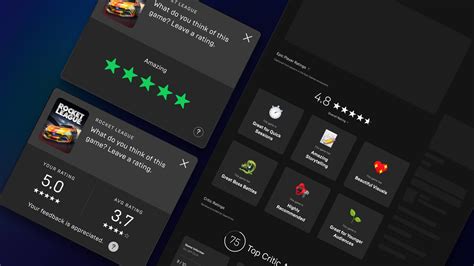
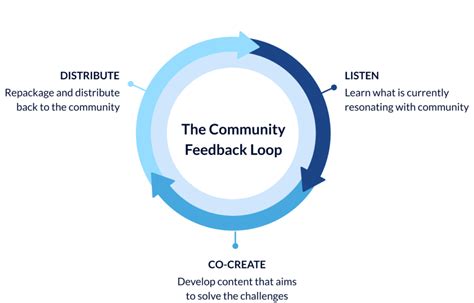
While professional reviews should maintain editorial independence, an awareness of broad community sentiment post-launch can provide valuable context. Publications could briefly reference prevalent community feedback on specific patches or content, acknowledging widespread issues or successes without sacrificing the reviewer’s own critical assessment. This helps bridge the gap between expert opinion and collective player experience.
The Publisher’s Role and Standardizing Practices
Ultimately, the effectiveness of these strategies hinges on the willingness of gaming review outlets to adopt and standardize them. Establishing clear editorial guidelines for updating reviews, training reviewers on how to approach post-launch content, and developing user-friendly interfaces to display these updates are crucial steps. Collaboration among major publications could even lead to industry-wide best practices, benefitting both readers and developers by providing more accurate and relevant critical analysis.

Conclusion: Towards a More Adaptable Review Ecosystem
The era of static reviews for dynamic games is drawing to a close. To remain valuable and relevant, gaming review outlets must embrace adaptability, transparency, and a commitment to ongoing assessment. By implementing structured update mechanisms, clear versioning, and thoughtful follow-up content, reviewers can provide consumers with the most accurate and up-to-date information, reflecting the true, evolving state of the games they cover. This not only benefits players but also fosters a more honest and productive relationship between critics, developers, and the gaming community as a whole.