





Best practices for updating gaming walkthroughs after patches or DLC?

Maintaining a comprehensive and accurate gaming walkthrough is a significant undertaking. In an era of live-service games, frequent patches, and expansive downloadable content (DLC), ensuring your guides remain relevant can feel like an endless battle. This article delves into the best practices for updating gaming walkthroughs, helping content creators keep their valuable resources precise and helpful for their audience.
Understanding the Evolution of Game Content
Game developers frequently release patches to fix bugs, balance gameplay, introduce quality-of-life improvements, or even overhaul core mechanics. DLC, on the other hand, typically adds new storylines, areas, characters, items, and challenges. Both types of updates can render portions of existing walkthroughs obsolete, from enemy placements and item locations to quest objectives and boss strategies.

Pre-Update Preparation and Monitoring
The first step in effective guide maintenance is proactive monitoring. Keep a close eye on official developer announcements, social media channels, and community forums for upcoming patches or DLC releases. Understanding what changes are anticipated allows you to prepare for the scope of work. Subscribing to developer newsletters or following key community managers can provide early insights. If possible, engaging with public test realms (PTRs) or beta versions can offer a crucial head start on understanding new mechanics or content before they go live.
Before any major update, it’s wise to create a backup of your current walkthrough. This allows you to revert to the original state if needed or to easily compare the old and new versions to identify changes. Consider using version control systems or simply making dated copies of your guide files.
Strategic Approaches to Walkthrough Updates
Incremental Adjustments
For minor patches, an incremental approach is often best. Identify specific sections affected by the patch (e.g., a changed item location, a rebalanced enemy, a minor quest tweak) and update only those parts. Clearly mark the updated sections with a “Last Updated: [Date] (Patch X.X)” tag to inform readers.

Dedicated Patch Notes Sections
For more substantial patches or quality-of-life updates that don’t fundamentally change the game’s core progression, consider adding a dedicated “Patch Notes” or “Changes After Patch X.X” section at the beginning or end of your guide. This summarizes the alterations and provides quick reference without overhauling the entire document.
Comprehensive Rewrites for DLC or Major Overhauls
DLC often introduces entirely new chapters, areas, or gameplay systems, requiring extensive additions or even complete rewrites of relevant sections. Similarly, major game overhauls might necessitate a significant portion of your walkthrough to be re-evaluated. In these cases, it’s often more efficient to plan a dedicated re-playthrough of the affected content. For DLC, consider creating a separate, linked guide or clearly sectioning off the new content within the main walkthrough.
Thorough Testing and Verification
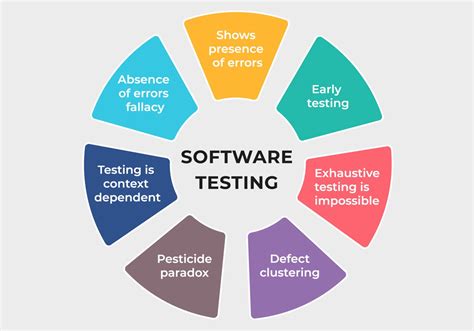
After making updates, don’t just assume they are correct. Play through the modified sections of the game yourself. Verify all new information, check quest triggers, item drops, enemy behaviors, and ensure that any new strategies are effective. Leverage the game’s new content to capture fresh screenshots or video clips to accompany your updated guide, enhancing clarity and visual appeal.
Engaging with your community is also invaluable. Encourage readers to report any discrepancies they find. This crowd-sourced testing can help catch subtle changes you might have missed and fosters a sense of collaboration.
Transparency and Communication
Always be transparent about when and why your guide was updated. Include a clear changelog or update history, noting the patch version or DLC name responsible for the modifications. This builds trust with your audience and allows them to understand the guide’s currency. Use clear headings and formatting to distinguish between original content and newly added or altered information.
For video walkthroughs, consider adding “Update” annotations or creating dedicated “Patch X.X Changes” videos that link back to your main series. For text guides, a prominent “Last Updated” date and a brief summary of major changes near the top are highly recommended.

Conclusion
Updating gaming walkthroughs after patches or DLC is an ongoing commitment, but it’s crucial for maintaining the quality and utility of your content. By adopting proactive monitoring, strategic update methods, rigorous testing, and transparent communication, you can ensure your guides remain accurate, comprehensive, and a trusted resource for gamers navigating the ever-evolving landscapes of their favorite titles. Your dedication to keeping guides current directly contributes to their long-term value and your reputation as a reliable content creator.



