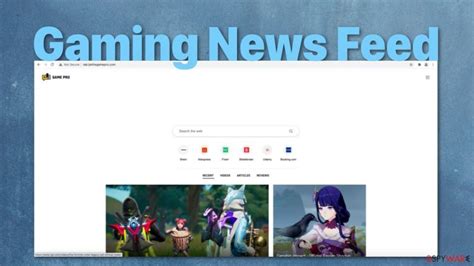
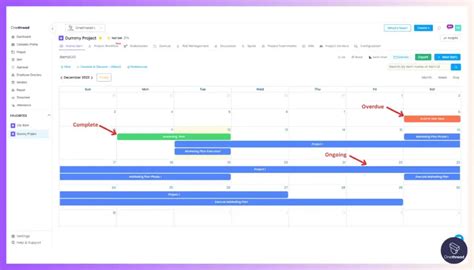
How to deliver timely, digestible gaming news & critical patch updates daily?

The Relentless Pace of Gaming News
In the fast-evolving world of video games, information moves at lightning speed. New games are announced, major updates drop, esports tournaments unfold, and developers release critical patch notes that can dramatically alter gameplay. For content creators and news outlets, the challenge isn’t just to report; it’s to report accurately, quickly, and in a way that busy gamers can easily consume. Daily delivery isn’t an aspiration, it’s a necessity to stay relevant and valuable to a dedicated audience.
Maintaining this pace requires more than just dedicated writers; it demands a strategic approach to information gathering, content creation, and distribution. The goal is to cut through the noise, providing essential updates without overwhelming the reader.

Strategies for Rapid Information Gathering
Timeliness begins with efficient information acquisition. Relying solely on official press releases is often too slow. A multi-pronged approach is essential:
- Proactive Monitoring: Implement tools to constantly scan official developer blogs, social media channels (Twitter, Discord), gaming forums (Reddit), and industry insider feeds. RSS aggregators, real-time alert systems, and even AI-powered news crawlers can be invaluable.
- Establishing Direct Channels: Cultivate relationships with game developers, publishers, and PR agencies. Access to embargoed information or early previews ensures you’re among the first to report, often with exclusive insights.
- Leveraging Community Intelligence: The gaming community itself is a powerful sensor network. Monitoring dedicated subreddits, fan wikis, and active Discord servers can provide early warnings of bugs, potential exploits, or upcoming content, though always requiring rigorous verification.
Speed must never compromise accuracy. Every piece of breaking news should be cross-referenced with multiple reliable sources before publication.
Crafting Digestible Content for Busy Gamers
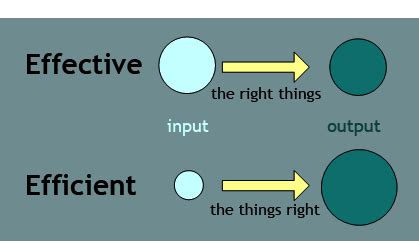
Raw information, no matter how timely, is useless if it’s too cumbersome to process. Gamers often want to quickly grasp the key takeaways and understand how news impacts their favorite titles. This requires a focus on conciseness and clarity:
- Concise Summaries: Start with a “TL;DR” (Too Long; Didn’t Read) section or a bullet-point summary at the top of an article. This allows readers to get the gist in seconds and decide if they want to dive deeper.
- Structured Formatting: Use clear headings, subheadings, bold text, and bullet points to break up long blocks of text. This improves readability and allows readers to skim for relevant sections.
- Visual Aids: Incorporate screenshots, short video clips, infographics, or GIFs to illustrate points. Visuals can convey complex information much faster than text alone and are highly engaging.
- Multi-platform Adaptability: Design content that can be easily repurposed for various platforms – a detailed article for your website, a concise thread for Twitter, a short video for TikTok/YouTube Shorts, and an engaging post for Instagram.
The goal is to provide immediate value, allowing gamers to get back to playing quickly, informed and updated.
Mastering Critical Patch Updates
Patch notes are often extensive, technical, and dense. Transforming them into digestible content is a unique skill. Critical patch updates require a specialized approach:
- Prioritization: Identify the most impactful changes. Is there a major balance adjustment to a popular character? A critical bug fix? A new feature that changes gameplay? Highlight these prominently.
- Impact Analysis: Don’t just list the changes; explain what they mean for the player. How will a specific nerf affect a meta strategy? What new opportunities does a buff create?
- Dedicated Sections & Trackers: For games with frequent updates, consider creating dedicated sections or even interactive trackers on your site where players can quickly find the latest patch notes specific to their game, complete with your expert analysis.
- Before & After Comparisons: When possible, illustrate changes with “before and after” examples, especially for visual updates or statistical adjustments.
The aim is to translate developer jargon into practical, player-focused insights.
Tools and Teams for Consistent Daily Delivery
Consistency in daily delivery isn’t just about strategy; it’s about the right tools and team structure:
- Robust Content Management System (CMS): A flexible CMS that supports rapid publishing, scheduling, and multi-platform distribution is crucial.
- Automation & AI: Utilize automation for social media scheduling, email newsletters, and even initial drafting of routine news items (e.g., “game X released its weekly update”). AI can also assist in summarizing long patch notes for human editors.
- Specialized Editorial Teams: A team structure with dedicated editors for specific game genres or types of news (e.g., a “patch notes specialist”) can enhance both speed and depth of coverage.
- Feedback Loops: Engage with your audience to understand their preferred formats and what information they find most valuable. Analytics tools can help track what content performs best and refine your approach.
Investing in the right technology and fostering a collaborative, expert team are fundamental to sustainable daily news delivery.
Conclusion
Delivering timely, digestible gaming news and critical patch updates daily is an ongoing marathon, not a sprint. It demands a proactive approach to information gathering, a meticulous focus on content clarity, a specialized understanding of patch notes, and the strategic deployment of technology and human talent. By prioritizing the player’s need for concise, impactful information, news outlets can not only keep pace with the gaming industry but also build a loyal, informed audience that relies on them as their go-to source for daily gaming intelligence.