How to structure game guides for new players while still serving completionists & speedrunners?
The Universal Guide Challenge
Creating a game guide that satisfies the vastly different needs of a brand-new player, a meticulous completionist, and an optimized speedrunner is a significant challenge. New players seek fundamental understanding and story progression, completionists crave every secret and side quest, while speedrunners demand precise routes and sequence breaks. The key lies in intelligent structure and information layering, ensuring no player type feels overwhelmed or underserved.
Understanding Your Audience: Diverse Player Needs
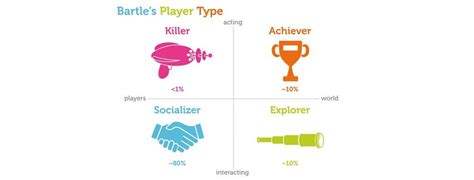
Before designing the guide, it’s crucial to acknowledge the distinct motivations of each player segment. New players are often looking for a gentle hand-holding experience, guiding them through core mechanics and the main narrative without major spoilers. Completionists are driven by the desire to experience everything the game offers—collectibles, lore, side quests, and achievements. Speedrunners, on the other hand, are focused on efficiency, optimal routes, and exploiting game mechanics to achieve the fastest possible completion time. A truly effective guide must anticipate and address these varied expectations.
The Core Principle: Modular and Layered Design
The most effective strategy is to adopt a modular and layered approach. This means organizing information into distinct, easily navigable sections that can be accessed or skipped based on the user’s preference. Layering involves presenting general information first, then offering deeper dives into specific topics. This allows new players to stick to the basics, while advanced players can drill down into the minutiae they require.
Structuring for New Players: The Foundation
For new players, the guide should prioritize clarity, main story progression, and foundational knowledge. Start with an introductory section covering controls, basic mechanics, and an overview of the game’s world and objectives. The main walkthrough should be spoiler-light, focusing on essential steps to advance the story, boss strategies, and crucial item locations. Use clear headings and chronological order to make progression straightforward. Embed common sense tips without bogging down the narrative with optional content.
Empowering Completionists: The Deep Dive
Completionists thrive on detail. Integrate dedicated sections for collectibles (with maps and specific locations), side quests (with questlines and rewards), achievements/trophies, and lore entries. These sections should be clearly marked and separated from the main walkthrough, perhaps linked from relevant story points but accessible independently. Checklists, tables, and comprehensive maps with markers for every item or secret are invaluable tools for this audience. Emphasize missable content and optimal timings for certain tasks.
Optimizing for Speedrunners: The Niche Path
Serving speedrunners requires a highly specialized section. This should include detailed route optimizations, sequence breaks, glitches, and advanced movement techniques. Information should be presented in a precise, concise manner, often with time stamps or specific in-game cues. Separate categories for different speedrunning categories (e.g., Any%, 100%, Glitchless) are often necessary. These sections might be highly technical and can include comparisons of different strategies or frame-perfect inputs.
Navigational Excellence: Guiding All Users
Regardless of content, a guide’s usability hinges on its navigation. Implement a robust Table of Contents with jump links to specific sections. Use clear, descriptive headings and subheadings. For online guides, a search function is paramount. Crucially, establish a consistent system for spoiler warnings, allowing players to reveal information at their discretion. Consider color-coding or distinct icons to differentiate content tailored for new players, completionists, or speedrunners.
Visuals and Accessibility
Enhance the guide with relevant visuals. Maps indicating item locations, screenshots of tricky puzzles, or diagrams explaining complex mechanics benefit all player types. While this article focuses on text structure, consider how integrated video content (for complex speedrunner techniques or visual puzzle solutions) can complement the written guide. Ensure the guide is accessible, using clear fonts, appropriate contrast, and logical paragraph breaks.
The Synergistic Guide: A Win-Win
By thoughtfully applying modular and layered design principles, a single game guide can indeed serve the diverse needs of new players, completionists, and speedrunners. It empowers each user to extract exactly the information they need, when they need it, without being bogged down by irrelevant details. This approach not only makes the guide a more powerful and versatile resource but also showcases a deep understanding of the game and its various player communities.