





How to optimize game guides for *all* collectibles, avoiding spoilers?
The Delicate Art of Spoiler-Free Collectible Guides
Creating a game guide that meticulously covers every single collectible while simultaneously safeguarding players from narrative spoilers is a challenge many guide writers face. The goal is to provide a complete resource for completionists without diminishing the experience for those who prioritize story discovery. It requires a strategic approach to organization, descriptive language, and visual presentation.
Understanding the Core Challenge: Completeness vs. Secrecy
Defining ‘Spoiler’ in the Context of Collectibles
Before diving into creation, it’s crucial to define what constitutes a ‘spoiler.’ For collectible guides, this typically refers to plot points, character introductions, significant environmental changes, or revelations about secret areas that are tied to the main narrative. The guide’s purpose is to show where an item is, not necessarily why it’s there from a story perspective. Focus on mechanics and locations, and avoid any information that could hint at future plot developments or major reveals.
Tailoring to Different Player Needs
Players seeking collectible guides fall into various categories: the dedicated completionist, the casual explorer looking for a few missing items, or those revisiting a game for 100% after an initial playthrough. An effective guide should cater to all by being easily searchable, clearly organized, and providing options for varying levels of detail, always with an eye on spoiler avoidance.
Strategic Structuring for Optimal Discovery
Chronological vs. Location-Based Organization
The method of organization is paramount. A purely chronological guide (following the main quest path) can be effective but risks revealing upcoming areas or story beats. A location-based guide (e.g., “Collectibles in Forest Zone,” “Items in Castle Dungeon”) is often safer, as players can jump directly to areas they’ve already unlocked. The optimal approach is often a hybrid: organize by logical game progression (chapters, acts) but within each section, detail collectibles by specific sub-location. Clearly label each section so players know exactly where they are in the game world without needing to read ahead.
Segmenting Collectibles by Type
If a game features multiple types of collectibles (e.g., “Lore Pages,” “Hidden Gems,” “Character Outfits”), consider dedicating subsections or even separate pages for each. This allows players to target specific missing items without sifting through unrelated entries. For example, “Chapter 3: Forest of Whispers – Lore Pages” followed by “Chapter 3: Forest of Whispers – Hidden Gems.”
Handling “Missable” Collectibles
Missable collectibles are a guide writer’s bane. To address these without spoilers, use clear, bold warnings like “WARNING: Missable! Before advancing to Chapter 5, ensure you collect…” or “This collectible is only available during the ‘Forgotten Past’ side quest.” Avoid describing the plot context that makes it missable, instead focusing on the immediate trigger or deadline.
Mastering Spoiler-Free Descriptions and Visual Aids
Descriptive Language Without Narrative Context
When describing a collectible’s location, prioritize environmental cues and positional language over plot-driven markers. Instead of “After defeating the Shadow Lord in the ancient ruins…” say “In the ancient ruins, past the large collapsed archway, look behind the statue of the warrior.” Use compass directions, landmark names (if generic and non-spoilery), and relative positions. Keep descriptions concise and objective.
Leveraging Maps and Screenshots Effectively
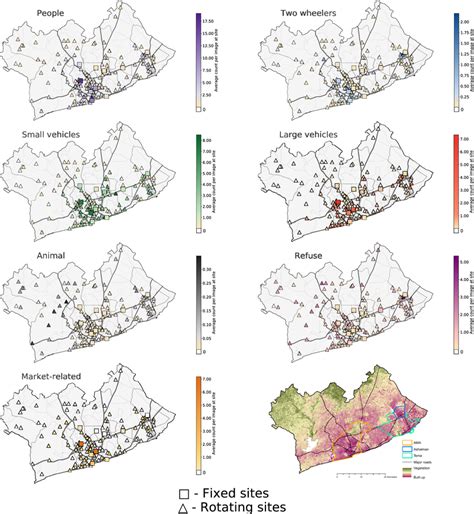
Visual aids are indispensable, but they must be carefully curated. Use annotated maps with clear markers for each collectible. For screenshots, ensure they show only the immediate vicinity of the collectible, cropped tightly to exclude any background elements that might reveal future areas, enemies, or story points. If a screenshot requires a potentially spoilery background, consider blurring it or using a more abstract diagram instead. Never include images of cutscenes or major plot points.
Progress Checklists and Interactive Elements
For an optimal user experience, integrate interactive checklists. Allow users to mark collectibles as “found” and save their progress. This empowers players to track their completion without re-reading entire sections. Filtering options (e.g., “show only unfound items”) further enhance usability.

Advanced Tips for User Experience and Engagement
Clear Warnings and Section Headers
If a collectible’s existence or location is inextricably linked to a minor plot point, provide an explicit “Minor Story Spoiler Ahead!” warning before the description, giving users the option to skip. Use consistent and descriptive section headers (e.g., “Collectibles in the Sunken City” or “Post-Game Relics”) to improve navigation.
Accessibility and Searchability
Ensure your guide is optimized for search engines and internal site search. Use specific collectible names in your text and implement proper HTML semantics (headings, lists) for better readability and accessibility. A well-indexed guide means players can quickly find the exact item they’re looking for without stumbling upon unwanted information.
Iterative Improvement and Community Feedback
No guide is perfect on its first pass. Encourage user feedback. Players are excellent at identifying unintended spoilers or suggesting clearer directions. Regularly update your guide based on community input and any game patches that might affect collectible locations or accessibility.
Conclusion
Optimizing game guides for all collectibles while rigorously avoiding spoilers is a commitment to the player’s experience. By thoughtfully structuring content, employing precise, non-narrative language, carefully curating visuals, and prioritizing user experience, guide writers can create an invaluable resource that respects the integrity of the game’s story while empowering every player to achieve 100% completion.



