How to prioritize & quickly disseminate critical gaming news like urgent patches?
The Urgency of Gaming News
In the dynamic world of video games, information moves at lightning speed. Players expect instant access to updates, and nowhere is this expectation more critical than with urgent patches. These aren’t just minor tweaks; they often address game-breaking bugs, security vulnerabilities, or crucial balance issues that directly impact the player experience and the overall health of a game. Delayed or poorly communicated critical news can lead to widespread frustration, a loss of player trust, and even a dip in active users. Establishing a robust system for prioritization and rapid dissemination is no longer a luxury but a necessity for any game developer or publisher.
Understanding the impact of timely communication is key. When a significant exploit is discovered or a server-crippling bug emerges, every minute counts. Players need to know what’s happening, what action (if any) they need to take, and when a resolution is expected. A proactive and efficient news delivery system not only mitigates potential damage but also reinforces a developer’s commitment to their community.
Identifying “Critical” Information
Before news can be prioritized, it must first be identified as critical. Not all updates warrant immediate, top-tier dissemination. Critical news typically falls into categories that significantly affect gameplay, player accounts, or game stability. Examples include:
- Game-Breaking Bugs: Glitches that prevent players from progressing, crash the game, or grant unfair advantages.
- Security Vulnerabilities: Exploits that could compromise player data or allow cheating.
- Emergency Server Maintenance: Unscheduled downtime impacting access to the game.
- Major Balance Changes: Adjustments that drastically alter competitive play or character viability.
- Urgent Legal or Policy Updates: Changes to terms of service that require immediate player awareness.
Establishing clear internal criteria for what constitutes “critical” allows teams to act swiftly and uniformly when such situations arise.
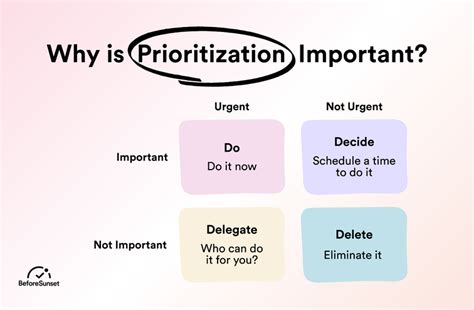
Developing a Prioritization Framework
Once critical news is identified, a clear prioritization framework guides how quickly and broadly it needs to be shared. This framework should consider several factors:
- Impact Severity: How many players are affected? How severe is the issue for those players (e.g., cannot play at all vs. minor inconvenience)?
- Urgency of Action: Does the news require immediate action from players (e.g., stop logging in, download a patch immediately) or is it purely informational?
- Resolution Status: Is a fix already deployed, or is it merely an acknowledgement of an issue with a “fix coming soon” message? Communication changes based on the status.
- Audience Segmentation: Does this news affect all players globally, or a specific region/platform? Tailoring the message and channels can be more effective.
A simple tiered system (e.g., Level 1: Immediate, all channels; Level 2: High priority, main channels; Level 3: Standard update) can streamline decision-making.
Channels for Rapid Dissemination
Reaching players quickly means leveraging a mix of direct and indirect communication channels. The goal is to cast a wide net while also ensuring direct touchpoints for the most engaged users:
- Official Social Media (Twitter, Discord, Reddit): These are often the fastest and most direct ways to reach a broad, engaged audience. Use concise language and link to more detailed information.
- In-Game Notifications/Client Launchers: Direct messages or pop-ups within the game or its launcher ensure that active players see the news immediately upon login.
- Official Game Website/Forums: Serve as the central hub for detailed announcements, patch notes, and FAQs. All social media posts should link back here.
- Press Releases/Gaming News Outlets: For truly monumental issues or fixes, engaging with key gaming press can amplify reach to a broader audience.
- Email/Push Notifications: For opted-in players, these provide a reliable way to deliver critical updates directly to their devices.
The key is consistency across all platforms and clear, unambiguous messaging.

Best Practices for Speed and Accuracy
Executing rapid dissemination flawlessly requires more than just knowing which channels to use. It demands a set of best practices:
- Pre-Drafted Templates: Have templates ready for common critical scenarios (e.g., “Emergency Maintenance,” “Critical Bug Fix”) to save time during high-stress situations.
- Clear Communication Roles: Designate specific individuals or teams responsible for drafting, approving, and publishing critical news across different platforms.
- Concise & Actionable Language: Avoid jargon. Clearly state the problem, the solution (if available), and any required player action.
- Cross-Platform Consistency: Ensure the core message is identical across all channels, even if the formatting varies slightly. Inconsistencies breed confusion.
- Include Expected Resolution Times: If possible, provide an estimated time for a fix or when the next update will be provided. Manage expectations.
- Post-Mortem Review: After a critical incident, review the communication process to identify areas for improvement.
Leveraging Technology for Timely Updates
Modern tools and technology can significantly enhance the speed and efficiency of critical news dissemination. Content Management Systems (CMS) with multi-platform publishing capabilities can push updates to websites, forums, and even social media simultaneously. Integrated alert systems can automatically trigger notifications to designated communication teams when a critical issue is logged. Social media management tools, while generally used for scheduling, can also be quickly employed for rapid manual posting and monitoring of player sentiment. Automation, where appropriate, can reduce human error and accelerate the initial stages of a critical news cycle.

Conclusion: Building Trust Through Transparency
Prioritizing and quickly disseminating critical gaming news, particularly urgent patches, is fundamental to effective community management and overall game success. It’s about more than just informing players; it’s about building and maintaining trust through transparency and responsiveness. A well-defined strategy, supported by clear internal processes and efficient tools, ensures that when the unexpected happens, your community remains informed, confident, and engaged, reinforcing their loyalty to your game.