Troubleshooting gaming stutter: Is it CPU, GPU, or driver related?
Few things are more frustrating for a PC gamer than experiencing persistent stutter. That momentary freeze, lag, or uneven frame delivery can ruin immersion and competitive performance. But what causes it? Is your CPU struggling, is your GPU overheating, or are your drivers misbehaving? Pinpointing the exact source is crucial for an effective fix. This guide will help you systematically identify whether your gaming stutter is a CPU, GPU, or driver-related issue.
Understanding Gaming Stutter
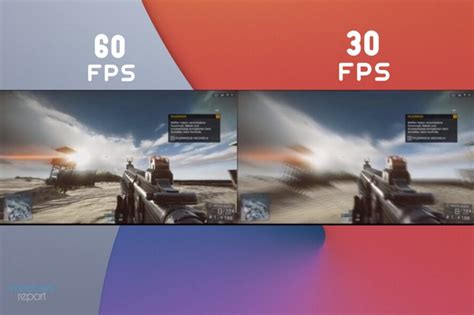
Gaming stutter is characterized by inconsistent frame delivery. Unlike a low but steady frame rate, stutter involves noticeable hitches or pauses, often despite a seemingly adequate average FPS. This can manifest as micro-stutter (tiny, frequent hitches) or more pronounced freezes. It’s often a symptom of one component failing to keep up with the demands of the game or other system processes.
The CPU’s Role in Stutter
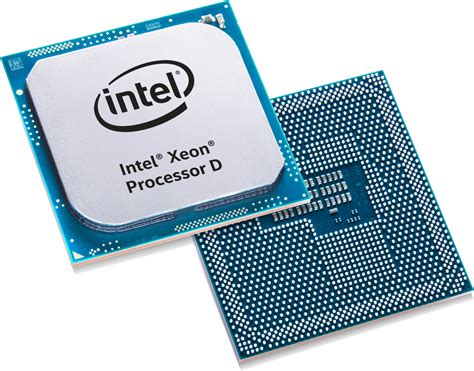
Your Central Processing Unit (CPU) is the brain of your computer. In gaming, it handles game logic, physics, AI, audio, and preparing data for the GPU to render. If your CPU is constantly at 100% utilization while your GPU idles, it’s a strong indicator of a CPU bottleneck. This means your CPU can’t feed the GPU data fast enough, causing the GPU to wait and resulting in stutter.
Common CPU-related stutter causes include:
- Overburdened cores: Games with complex AI or many concurrent processes can tax the CPU.
- Background applications: Resource-intensive programs running in the background (antivirus scans, streaming software, browser tabs) can steal CPU cycles.
- Thermal throttling: If your CPU overheats, it will reduce its clock speed to prevent damage, leading to performance drops and stutter.
- Insufficient CPU power: An older or lower-end CPU paired with a powerful GPU might simply not be capable of keeping up.
The GPU: Rendering and Responsiveness
The Graphics Processing Unit (GPU) is responsible for rendering all the visuals you see on screen. It takes data from the CPU and turns it into pixels. If your GPU is the bottleneck, it means it’s struggling to process the visual information fast enough for a smooth experience.
GPU-related stutter often occurs due to:
- High graphical settings: Pushing settings like resolution, anti-aliasing, or texture quality beyond your GPU’s capabilities.
- Insufficient VRAM: Running out of Video RAM (VRAM) can force the GPU to offload data to slower system RAM, causing severe stutter.
- Thermal throttling: Similar to the CPU, an overheating GPU will throttle its performance, leading to frame drops.
- Driver issues: Outdated, corrupted, or incompatible GPU drivers are a frequent culprit, which we’ll cover next.
Driver-Related Headaches
Drivers are software components that allow your operating system and applications to communicate with your hardware. Graphics drivers (NVIDIA, AMD, Intel) are particularly critical for gaming performance. Faulty drivers are a very common cause of stutter, even on otherwise powerful systems.
Potential driver issues include:
- Outdated drivers: New games often rely on optimizations provided by the latest drivers.
- Corrupted drivers: A bad installation or system error can corrupt driver files.
- Incompatible drivers: Sometimes a brand new driver version can introduce new bugs or conflicts with specific games or hardware.
- Conflicting drivers: Having remnants of old drivers (e.g., after switching GPU brands) can cause problems.

Common Troubleshooting Steps
Monitoring Tools
The first step in diagnosing stutter is to monitor your system’s performance. Tools like MSI Afterburner (for GPU, CPU, RAM usage, temperatures), HWMonitor, or the built-in Windows Task Manager can provide real-time data. Pay close attention to CPU and GPU utilization percentages, clock speeds, and temperatures. If one component consistently hits 95-100% while the other is significantly lower, you’ve likely found your bottleneck.
Updating and Rolling Back Drivers
Always start with the most common fix: update your graphics drivers. Visit NVIDIA, AMD, or Intel’s official websites to download the latest stable version. If stutter appears *after* a driver update, consider rolling back to a previous, known-stable version. Using a tool like Display Driver Uninstaller (DDU) to perform a clean uninstall before installing new drivers can prevent conflicts.
System Optimization
- Close background applications: End unnecessary tasks via Task Manager.
- Adjust in-game settings: Lower graphical settings (especially those tied to VRAM like textures, or CPU-intensive like crowd density) one by one to see if stutter improves.
- Check temperatures: Ensure your CPU and GPU coolers are clean and properly seated. High temperatures invariably lead to throttling.
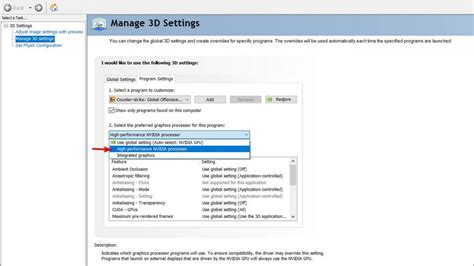
- Power settings: Ensure Windows power plan is set to ‘High Performance’ and that your GPU’s power management mode is set to ‘Prefer maximum performance’ in its control panel.
- Verify game files: Use Steam, Epic Games Launcher, etc., to verify the integrity of game files.

Pinpointing the Culprit
To definitively say if it’s CPU, GPU, or drivers, observe the following:
- CPU bottleneck: High CPU usage (95-100%), low GPU usage (<80%), especially in CPU-heavy areas of a game or when many NPCs are present.
- GPU bottleneck: High GPU usage (95-100%), lower CPU usage, especially in graphically intense scenes or at higher resolutions/settings.
- Driver issue: Stutter might be inconsistent, appear after an update, or be specific to certain games regardless of CPU/GPU load. Sometimes a driver crash or TDR (Timeout Detection and Recovery) can occur.
- VRAM limitation: Stutter worsens significantly with higher texture settings or resolutions, accompanied by high VRAM usage reported by monitoring tools.
Conclusion
Diagnosing gaming stutter requires a methodical approach. By using monitoring tools to observe CPU and GPU utilization and temperatures, systematically updating or rolling back drivers, and adjusting in-game settings, you can narrow down the potential culprits. Most often, the solution lies in addressing a bottleneck (CPU or GPU) or resolving a driver conflict. With patience and careful investigation, you can bring your gaming experience back to smooth, stutter-free performance.