How can gaming sites summarize complex game patch notes effectively for busy players?
In the fast-paced world of online gaming, staying abreast of every new update, balance change, and bug fix can feel like a full-time job. Game developers frequently release extensive patch notes, often spanning dozens of pages of highly technical jargon. For the average busy player, sifting through these detailed documents to find the crucial information that impacts their gameplay is an arduous task, leading to frustration and often, missed critical updates.
Understanding the Patch Note Conundrum
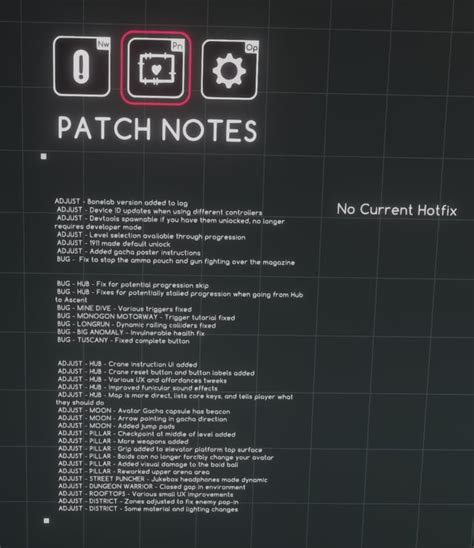
Modern games, especially live-service titles, evolve constantly. Patch notes detail everything from minor UI tweaks to fundamental overhauls of game mechanics, character abilities, and in-game economies. While comprehensive notes are invaluable for data miners, competitive players, and content creators, their sheer volume and technical nature can overwhelm the casual or time-constrained player. The challenge for gaming sites is to bridge this gap, transforming dense information into actionable insights.
Effective Strategies for Condensing Information
To effectively serve their audience, gaming sites must adopt a multi-faceted approach to summarizing patch notes. One of the most critical strategies is prioritization. Not all changes are created equal. Sites should highlight the most impactful alterations first—new content, significant balance adjustments (nerfs/buffs to popular characters or items), and major bug fixes that affect stability or exploits. Less critical or highly technical changes can be relegated to a secondary section or linked to the full notes.
The Power of “TL;DR” and Executive Summaries
A “Too Long; Didn’t Read” (TL;DR) section at the very beginning of a summary is incredibly effective. This brief paragraph or bulleted list should capture the essence of the entire patch, allowing players to grasp the most important changes within seconds. Following this, an executive summary that elaborates slightly on these key points provides a good balance between brevity and detail.
Categorization and Visual Aids
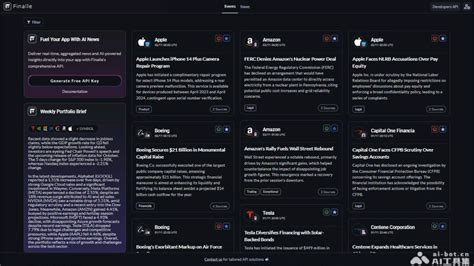
Breaking down patch notes into logical categories significantly improves readability. Sections like “New Content,” “Balance Changes,” “Bug Fixes,” “Quality of Life,” and “Developer Notes” allow players to quickly navigate to areas relevant to them. Furthermore, incorporating visual aids such as infographics, comparison charts, or short video clips can clarify complex changes far more effectively than text alone. For instance, an infographic showing before-and-after stats of a balanced ability is far more impactful than a paragraph describing the numbers.
Impact Analysis, Not Just Raw Data
Perhaps the most valuable service a summary can provide is an “impact analysis.” Instead of merely stating “Character X’s ability damage reduced by 10%,” a good summary explains what this change *means* for the character’s viability, common strategies, or player experience. This transforms raw data into understandable consequences, helping players adapt their playstyles without needing to theorycraft everything themselves.
Best Practices for Presentation and Accessibility
Beyond content strategy, the presentation of summarized patch notes is crucial. Using clear, concise language free of unnecessary jargon, consistent formatting (e.g., bullet points for lists, bolding for key terms), and a mobile-friendly design ensures maximum accessibility. Interactive elements, such as searchable databases or filters that allow players to sort changes by character, item, or category, can further enhance the user experience, empowering players to find exactly what they need efficiently.

Conclusion
Effectively summarizing complex game patch notes is no longer a luxury but a necessity for gaming sites aiming to retain and engage their audience. By prioritizing information, offering brief “TL;DR” sections, categorizing changes, utilizing visual aids, and providing crucial impact analysis, sites can transform daunting technical documents into digestible, valuable resources. This not only keeps busy players informed but also fosters a more engaged and satisfied gaming community, ensuring they spend less time reading updates and more time enjoying the game.