Strategy for updating game reviews post-launch patches/DLC?

The Evolving Landscape of Game Reviews
Modern video games are rarely static products. From day-one patches addressing critical bugs to extensive post-launch content, expansions, and even complete overhauls through DLC, a game’s state can change dramatically long after its initial release. This dynamic environment presents a unique challenge for game reviewers: how to ensure an initial review remains relevant and accurate when the game it assesses continues to evolve?
An early review, while reflecting the launch-day experience, can quickly become outdated. A game might launch in a rough state only to be greatly improved by patches, or conversely, a polished game might introduce new issues or unbalanced content with subsequent updates. Establishing a clear strategy for handling these post-launch developments is vital for maintaining the credibility and utility of game reviews.

Key Challenges in Updating Reviews
Before diving into specific strategies, it’s important to acknowledge the inherent difficulties in updating reviews:
- Scope of Changes: Distinguishing between minor bug fixes that don’t warrant a review update and significant content additions or mechanical reworks that fundamentally alter the game.
- Time Commitment: Re-evaluating a game, especially after a large DLC, can be as time-consuming as reviewing a new title, stretching reviewer resources.
- Maintaining Original Context: How to incorporate new information without losing the historical record of the game’s initial state, which might still be relevant for early adopters or those following its development arc.
- Scoring Consistency: If a review includes a score, how do updates affect that score? Should it be revised, or should supplemental content be scored separately?
Strategies for Post-Launch Review Updates
Several approaches exist, each with its own advantages and disadvantages:
1. The “Living Review” Model
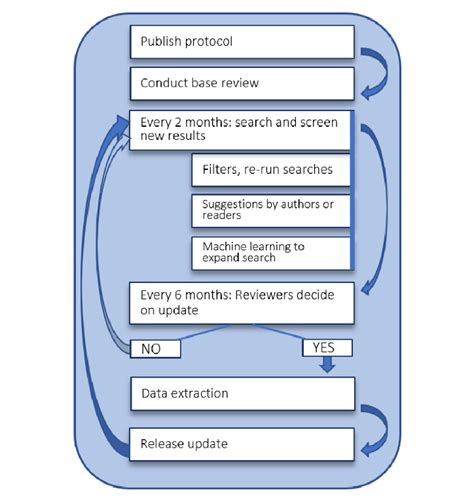
This approach treats the initial review as a continually evolving document. As significant patches or DLCs are released, the original review text and perhaps even the score are updated. Each update is clearly dated and often highlighted, detailing the changes made and their impact.
- Pros: Provides a single, comprehensive source for the game’s current state; reflects the game’s ongoing journey.
- Cons: Can make the original launch-day experience harder to reference; requires significant ongoing commitment from the reviewer.
2. Supplemental Content/Addendums
Under this strategy, the original review remains untouched, serving as a historical record. New content, patches, or DLC are covered in separate articles, updates, or addendum sections linked from the original review. These new pieces can be full reviews of the DLC, short impressions, or detailed patch notes analyses.
- Pros: Preserves the integrity of the initial review; offers clear separation between different versions/expansions of the game.
- Cons: Requires readers to navigate multiple pieces of content to get the full picture; can feel disjointed.
3. Full Re-Review
Reserved for cases where a game undergoes a truly transformative change – think a “2.0” update that fundamentally alters core mechanics, content, and often, even its monetization. In these rare instances, a completely new review is published, effectively superseding the original.
- Pros: Offers a fresh perspective on a significantly altered product; ideal for games that have been fully reborn.
- Cons: Labor-intensive; can be confusing for readers if not clearly communicated why a full re-review was necessary.
Best Practices for Transparency and Clarity
Regardless of the chosen strategy, transparency is paramount. Reviewers should always:
- Clearly Date Updates: Every modification, addendum, or re-review should be explicitly dated.
- Explain the ‘Why’: State why an update was deemed necessary (e.g., “due to significant performance patches,” “following the release of expansion X”).
- Highlight Changes: If the original text is altered, clearly indicate what has changed, perhaps using strikethroughs for removed text and bold for added text.
- Differentiate Scores: If scores are used, clarify if an updated score replaces the original, or if supplemental content receives its own score.
- Maintain an Archive: Ideally, an accessible archive of previous review versions should be available for maximum transparency.

Timing and Resource Management
Deciding when to update is also critical. Minor bug fixes rarely warrant a review update, but a major performance patch or content drop often does. Review outlets must carefully allocate resources, balancing the need for current information against the demands of covering new releases. A structured editorial calendar that plans for potential updates can help manage this workload.
Conclusion
The fluidity of modern game development demands adaptable and transparent review strategies. Whether adopting a living review model, creating supplemental content, or in rare cases, undertaking a full re-review, the goal remains the same: to provide readers with accurate, relevant, and trustworthy information about the games they play. By committing to clear communication and thoughtful re-evaluation, reviewers can maintain their integrity and continue to serve their audience effectively in an ever-changing gaming world.