





Verify news source credibility: What red flags to watch?
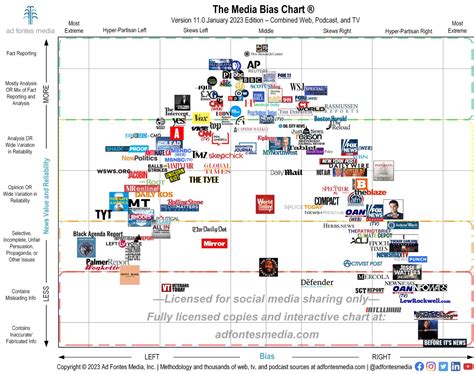
In today’s rapidly evolving digital landscape, where information travels at the speed of light, the ability to distinguish between credible news and misleading content is more critical than ever. The proliferation of ‘fake news’ and misinformation campaigns can sway public opinion, undermine trust, and even impact global events. Becoming a discerning news consumer requires a proactive approach, starting with a keen eye for red flags that signal potential unreliability.
Who is Behind the Information? Scrutinizing the Source
The first step in assessing news credibility is to examine the source itself. Just as you wouldn’t trust medical advice from an unqualified stranger, the origin of your news profoundly impacts its trustworthiness.
Website and Publisher Reputation
Investigate the website publishing the news. Is it a well-established, reputable news organization with a known history of journalistic integrity? Or is it an unfamiliar site with a generic-sounding name? Look for an “About Us” page. Legitimate news organizations typically provide detailed information about their mission, editorial standards, and staff. Be wary of sites that lack transparency or appear to be opinion blogs masquerading as news outlets.
Examine the website’s domain name. Typographical errors in familiar names (e.g., “cnn.com.co” instead of “cnn.com”) or unusual domain extensions can be indicators of imposter sites. A professional website design with clear navigation and minimal intrusive advertising is also generally a good sign, whereas sites riddled with pop-ups and poor aesthetics might suggest a less reputable operation.

Author’s Credibility and Expertise
If an author is named, take a moment to research them. Are they an expert in the field they are writing about? Do they have a clear journalistic background? A quick search can reveal their past work, affiliations, and any potential biases. Anonymous sources or articles attributed to vague entities (e.g., “staff writer” without an associated bio) should raise a flag, especially when discussing sensitive or controversial topics.
What Does the Content Say? Deeper Dive into the Narrative
Once you’ve done an initial check on the source, it’s time to scrutinize the article’s content for further red flags.
Sensationalism and Emotional Language
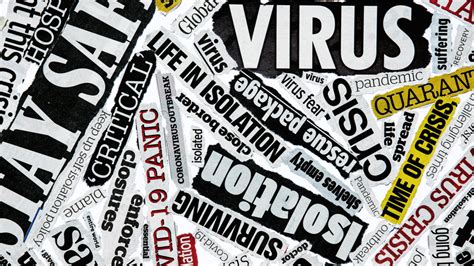
News should ideally be objective and factual. Articles filled with highly emotional language, hyperbolic claims, or inflammatory rhetoric are often designed to provoke a reaction rather than inform. Headlines in all caps, excessive exclamation marks, or phrases like “You won’t believe what happened next!” are strong indicators of sensationalism over substance.
Lack of Evidence or Fact-Checking
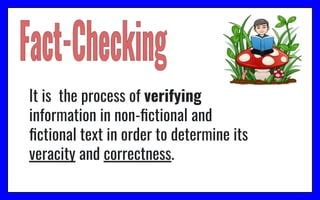
Does the article cite its sources? Are statistics backed by links to original research or official reports? If claims are made without supporting evidence, or if the evidence presented seems tenuous or from unknown sources, exercise caution. Be wary of articles that rely heavily on anonymous sources for key facts or make definitive statements without any factual basis.
Date of Publication
Always check the date. Sometimes, old news stories are recirculated as if they are current events, leading to misinterpretations. Ensure the information you are reading is up-to-date and relevant to the current discourse.
Beyond the Text: Visuals and Technical Details
Misinformation often extends beyond just the written word, making it crucial to analyze visual and technical aspects as well.
Image and Video Verification
Images and videos can be manipulated or used out of context to mislead. If a striking image accompanies a news story, consider performing a reverse image search (e.g., using Google Images or TinEye) to see its original context, where else it has appeared, and if it has been altered. Be suspicious of poor-quality or grainy images presented as definitive evidence.

Grammar and Spelling Errors
While minor typos can occur in any publication, a consistent pattern of poor grammar, numerous spelling mistakes, and awkward phrasing can be a strong indicator of an unprofessional or less reputable source. Legitimate news organizations employ editors and proofreaders to ensure quality.
Excessive or Suspicious Advertising
Websites that are primarily focused on generating ad revenue through clickbait or by pushing questionable products, rather than delivering genuine news, often feature an overwhelming number of distracting advertisements, especially those with sensational or inappropriate content.
Conclusion: Empowering Yourself as a Critical News Consumer
Navigating the complex world of news requires an active, critical mindset. By regularly applying these checks – examining the source, scrutinizing the content, and verifying visuals – you can significantly improve your ability to identify misinformation and rely on credible news. Developing media literacy is not just about avoiding ‘fake news’; it’s about fostering a well-informed populace capable of making sound judgments based on accurate information.