What’s the best concise format for critical gaming news & patch updates?
Navigating the Information Deluge in Gaming
In the fast-paced world of online gaming, players are constantly inundated with information. From major announcements about new titles and expansions to intricate patch notes detailing every bug fix and balance change, developers face the ongoing challenge of delivering critical news in a way that is both comprehensive and digestible. The sheer volume of updates can lead to player fatigue, making it crucial to find the optimal concise format for communication.

Why Conciseness is King for Gamers
Modern gamers have limited time and attention spans. They want to quickly grasp what’s important, how it affects their gameplay, and whether it requires action. Lengthy, jargon-filled posts are often skimmed or ignored entirely, leading to missed critical information or frustration. A concise format respects the player’s time and ensures that vital updates, especially those concerning game stability, balance, or economy, are absorbed effectively.
Essential Components of Critical Updates
Regardless of the format, certain information is non-negotiable for critical gaming news and patch updates. This includes:
- High-Impact Changes: Game-breaking bugs, server downtime, major exploit fixes, and significant balance adjustments to core mechanics or characters.
- New Features/Content: Introduction of new game modes, characters, maps, or seasonal events.
- Event Details: Start and end dates, participation requirements, and rewards for limited-time events.
- Player Action Required: Information on mandatory client updates, account migrations, or specific steps players need to take.
Optimal Formats for Maximum Impact
1. Bullet Point Summaries & Categorization
For patch notes, a well-structured list of bullet points categorized by impact (e.g., “Critical Fixes,” “Balance Changes,” “New Content,” “General Improvements”) remains highly effective. Each point should be a short, clear sentence. Major changes can be highlighted or bolded.
2. “TL;DR” (Too Long; Didn’t Read) Sections
For larger announcements or very extensive patch notes, a “TL;DR” summary at the very top provides an executive overview. This allows players to get the gist quickly and decide if they need to dive deeper into the full details.
3. Visual Aids & Infographics
While often requiring more development effort, well-designed infographics or short video summaries can convey complex information about new mechanics or major balance shifts far more effectively than text alone. Key numbers, before-and-after comparisons, and visual representations of changes greatly enhance understanding.
4. Interactive In-Game News Feeds
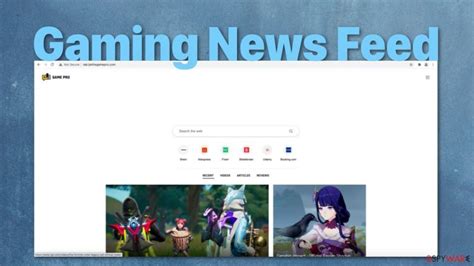
Integrating a dynamic news feed directly into the game client allows for tailored information delivery. Players can filter by categories relevant to them (e.g., specific heroes, game modes), and developers can link directly to detailed posts for those who want more depth.

Best Practices for Delivery
Beyond the format, effective delivery relies on consistency and clarity. Maintain a consistent platform (website, game client, dedicated forum section) where players know to find updates. Use clear, accessible language, avoiding excessive technical jargon where possible. Prioritize information by importance, placing the most critical updates at the top of any post. A well-executed communication strategy not only informs but also builds trust and goodwill within the player community.
Conclusion: Striking the Balance
The best concise format for critical gaming news and patch updates is not a one-size-fits-all solution but rather a strategic combination of methods. It involves prioritizing essential information, leveraging structured bullet points and “TL;DR” summaries, and exploring visual or interactive elements where appropriate. Ultimately, the goal is to respect the player’s time while ensuring they receive and understand the updates necessary to fully enjoy and engage with their favorite games.