Optimize Windows settings for max gaming FPS and reduce input lag?

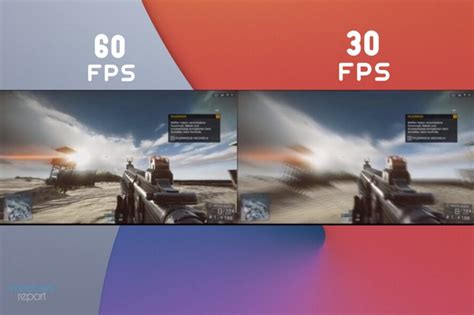
Achieving peak gaming performance isn’t just about having powerful hardware; it’s also about fine-tuning your operating system to extract every last frame and shave off crucial milliseconds of input lag. Windows, while a versatile OS, often runs with default settings that prioritize general usability over competitive gaming. This guide will walk you through essential Windows adjustments to give you a noticeable edge in your favorite titles.
Power Plan Optimization for Gaming
The first step to unlocking higher FPS is ensuring your CPU and GPU are receiving consistent power. Windows’ default balanced power plan often throttles components to save energy. Switch to the High Performance or Ultimate Performance plan for maximum power delivery.
- Go to
Control Panel > Hardware and Sound > Power Options. - Select High Performance or, if available, Ultimate Performance.
- Click Change plan settings next to your chosen plan, then Change advanced power settings.
- Ensure Processor power management > Minimum processor state is set to 100% when plugged in.
Game Mode and Xbox Game Bar Configuration
Windows Game Mode is designed to optimize your PC for gaming by prioritizing game processes and reducing background activity. However, the Xbox Game Bar, while useful for some, can sometimes introduce overhead or conflicts.
- Enable Game Mode: Go to
Settings > Gaming > Game Modeand ensure it’s turned On. - Disable Xbox Game Bar (if not used): In
Settings > Gaming > Xbox Game Bar, toggle it Off. If you use it for clips or communication, you might keep it on, but be aware of its potential impact.
Advanced Graphics Settings and GPU Scheduling
Windows 10 and 11 offer specific graphics settings that can directly impact gaming performance, especially for modern GPUs.
- Navigate to
Settings > System > Display > Graphics. - Hardware-accelerated GPU scheduling: Toggle this On. This feature allows your GPU to manage its own video memory, potentially reducing latency and improving performance. Requires a compatible GPU and driver.
- Variable Refresh Rate: If your monitor supports VRR (G-Sync/FreeSync), ensure it’s enabled here for smoother gameplay.
- Per-Application Graphics Performance: Under “Graphics performance preference”, you can add specific games (browse for the
.exe) and set them to High performance to ensure they use your dedicated GPU.
Minimize Background Processes and Visual Clutter
Every running background app and visual effect consumes resources that could otherwise be dedicated to your game.
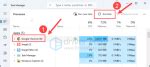
- Startup Apps: Open Task Manager (
Ctrl+Shift+Esc), go to the “Startup” tab, and disable unnecessary programs that launch with Windows. - Background Apps: In
Settings > Privacy > Background apps(Windows 10) orSettings > Apps > Apps & features > Background apps(Windows 11, then manage individually), toggle off apps you don’t need running in the background. - Visual Effects: Search for “Adjust the appearance and performance of Windows” in the Start menu. In the “Visual Effects” tab, select “Adjust for best performance” or customize to disable unnecessary animations and shadows.
- Notifications: Turn off distracting notifications from
Settings > System > Notifications & actions.

Update Drivers and Optimize GPU Control Panel
Keeping your drivers up-to-date is paramount for performance and stability. Beyond Windows settings, your GPU’s control panel offers powerful optimizations.
- Graphics Drivers: Regularly update your NVIDIA, AMD, or Intel graphics drivers directly from their official websites.
- Chipset Drivers: Don’t forget to update your motherboard’s chipset drivers from your motherboard manufacturer’s website.
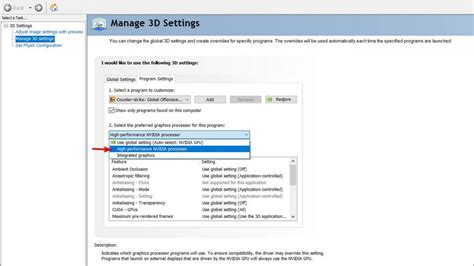
- NVIDIA Control Panel:
- Go to
Manage 3D settings > Program Settings, select your game, and set Power management mode to “Prefer maximum performance.” - Set Texture filtering – Quality to “High performance.”
- Ensure Low Latency Mode is set to “On” or “Ultra” for input lag reduction.
- Go to
- AMD Radeon Software:
- Go to the Gaming tab, select your game, and set Radeon Anti-Lag to “Enabled.”
- For global settings, ensure Radeon Boost and Image Sharpening are configured to your preference.
Network Settings and Input Device Polling Rate
Even network settings and peripheral configurations can affect your gaming experience.
- Network Drivers: Ensure your Ethernet or Wi-Fi adapter drivers are up-to-date.
- Quality of Service (QoS): In some routers, you can prioritize your gaming PC’s traffic.
- Mouse Polling Rate: A higher polling rate (e.g., 1000Hz) reduces input lag. Adjust this in your mouse software.
- Disable Mouse Acceleration: Search for “Mouse settings” in Windows, go to “Additional mouse options,” then “Pointer Options,” and uncheck “Enhance pointer precision.” This provides raw input.

Conclusion: Consistent Performance Through Vigilance
Optimizing Windows for gaming is an ongoing process. Regularly check for driver updates, re-evaluate your settings after major Windows updates, and maintain a lean operating system by uninstalling unused programs and managing background tasks. By systematically applying these tweaks, you’ll ensure your PC is consistently delivering its best possible gaming performance, leading to higher FPS, reduced input lag, and a more enjoyable gaming experience.