Best tips to keep gaming guides current after patches and DLC?

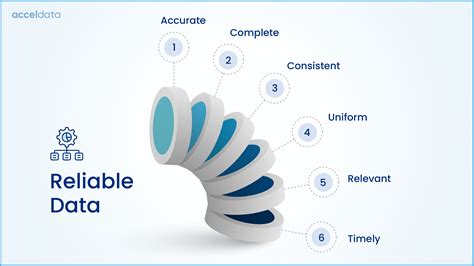
Maintaining the accuracy and relevance of gaming guides in an ever-evolving digital landscape is a formidable task. With frequent patches, balance changes, and expansive downloadable content (DLC), a guide that’s current today can quickly become obsolete tomorrow. This article will provide you with the best strategies and practical tips to ensure your gaming guides remain a trusted resource for players, even as games continue to change.
Stay Ahead: Proactive Monitoring and Research
The first line of defense against outdated information is vigilance. Actively monitor official developer channels, such as developer blogs, social media accounts (Twitter, Reddit, Discord), and official forums. Developers often announce upcoming changes, sneak peeks of DLC, and provide patch notes well in advance. Subscribing to newsletters and setting up alerts for specific keywords related to the game can also help you catch crucial updates as soon as they drop.
Engage with the game’s community. Dedicated players often uncover changes, exploits, or new content before official documentation is fully updated. Participating in community discussions, joining fan-run wikis, and observing popular streamers or content creators can offer invaluable early insights into what’s changing and what new strategies are emerging.

Design for Longevity: Smart Guide Structure
How you structure your guide can significantly impact the ease of future updates. Adopt a modular approach, breaking down your guide into clearly defined, independent sections (e.g., “Character Builds,” “Quest Walkthroughs,” “Item Locations,” “Strategy Tips”). This allows you to update specific sections without having to rewrite or re-evaluate the entire document. For instance, if a patch only affects character abilities, you only need to revise that particular module.
Implement a clear version control system or an “Update Log” section at the beginning or end of your guide. This log should detail when the guide was last updated, what specific patch or DLC it covers, and a summary of significant changes made. This not only informs readers but also helps you track your own revisions. Additionally, consider highlighting information that is particularly prone to change, perhaps with a special tag or formatting, to make it easier to locate and verify later.

Streamline Your Workflow: Efficient Updating Strategies
When an update hits, prioritize what needs immediate attention. Focus on game-breaking changes, critical path information (for walkthroughs), and core mechanics that impact general gameplay. Cosmetic changes or minor balance tweaks that don’t fundamentally alter strategies can often wait for a later, more comprehensive review.
Leverage the community’s power. If your platform allows it, consider inviting trusted community members or fellow guide writers to contribute updates. Crowdsourcing information can significantly reduce the burden and speed up the update process. Always verify submitted information before integrating it into your main guide. Schedule regular review periods for your guides, perhaps weekly or monthly, even if no major updates have occurred. This allows you to catch subtle shifts in meta or community strategies that might not be explicitly detailed in patch notes.
Tools and Resources for Guide Maintenance
Utilize powerful text editors or content management systems (CMS) that offer robust search and replace functionalities. This can be a lifesaver when a specific item name, ability value, or location name changes across the entire game. Collaboration platforms like Google Docs, Notion, or specialized wiki software can also facilitate team-based guide updating, allowing multiple contributors to work simultaneously and track changes effectively.
Don’t forget the visual aspect. Keep a folder of screenshots and video clips that can be easily updated or replaced. Tools for screen capturing and basic image editing are essential for maintaining current visual aids within your guide. Consider maintaining a “changelog” or “to-do” list specifically for your guides, detailing upcoming updates or sections that require further testing or verification.
Conclusion: The Value of Current Guides
Keeping gaming guides current after patches and DLC is an ongoing commitment, but one that significantly enhances their value and longevity. By proactively monitoring game changes, designing guides with flexibility in mind, streamlining your updating workflow, and utilizing the right tools, you can ensure your guides remain an indispensable resource for the gaming community. A well-maintained guide not only helps players navigate new content but also builds your reputation as a reliable and dedicated source of information.