Actionable steps for game reviews to balance objectivity and fun factor?
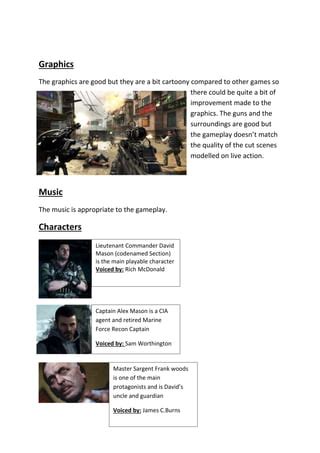
Game reviews walk a tightrope, aiming to provide insightful analysis while also conveying the intangible joy (or frustration) of playing. The challenge lies in delivering critical, objective evaluations of mechanics, graphics, and performance, alongside a relatable account of the game’s entertainment value. Successfully balancing these two elements is crucial for a review to be both informative and engaging, helping readers make informed decisions about their next gaming experience.
The Dual Nature of Game Reviews
At their core, game reviews serve multiple purposes. Objectivity provides a foundation of fact and measurable performance, ensuring that readers understand a game’s technical merits and flaws. This quantitative aspect is vital for industry professionals, developers, and players concerned with technical quality. However, games are ultimately an entertainment medium, and the “fun factor”—the subjective enjoyment derived from playing—is equally, if not more, important for the average consumer. A review that neglects either aspect risks being incomplete or irrelevant.
Strategies for Objective Analysis
To establish objectivity, reviewers can adopt several structured approaches. Firstly, developing a standardized set of criteria for evaluation across all games, such as graphics fidelity, sound design, gameplay mechanics, narrative coherence, and technical performance, provides a consistent framework. Secondly, where applicable, quantifiable metrics like frame rates, load times, and reproducible bug counts can bolster objective claims. Finally, comparing a game’s features and execution against established genre standards or previous titles from the same developer offers valuable context, grounding the review in factual comparisons rather than pure opinion.

Embracing the Fun Factor and Subjectivity
While objectivity is vital, denying the reviewer’s subjective experience would strip the review of its soul. The key is to express this subjectivity transparently and explain its origins. Reviewers should feel empowered to use “I” statements, acknowledging their personal preferences or emotional responses (“I found the combat satisfying because…”). Highlighting specific, memorable moments—whether thrilling, frustrating, or thought-provoking—can powerfully convey the fun factor. This approach personalizes the review without rendering it unhelpful, as long as the subjective elements are clearly distinguished from objective observations and supported by specific examples from gameplay.
Structuring for Balance: The Hybrid Approach
A highly effective method for achieving balance is to employ a hybrid review structure. This often involves dedicating distinct sections to objective analysis and subjective experience. An article might begin with an overview of the game’s premise and technical specifications, followed by a detailed breakdown of core mechanics, graphics, and sound (the objective parts). Subsequent sections can then delve into the reviewer’s personal journey, discussing the emotional impact, the flow of the experience, and what it felt like to play (the subjective fun factor). This clear separation allows readers to grasp both the technical merits and the experiential qualities.

Communicating the Nuance
The language and tone used in a review are paramount to conveying nuance. A review should be critical without being dismissive, and enthusiastic without being naive. Explaining why something is fun (or not fun) by linking it back to specific game design choices or mechanics helps bridge the gap between subjective feeling and objective observation. For instance, explaining that a combat system feels “fun” because of its tight controls and satisfying hit feedback provides more value than simply stating “the combat was fun.” Furthermore, understanding the target audience for the game and the review itself helps tailor the communication, ensuring the most relevant aspects are highlighted.

Conclusion: The Art of Informative Entertainment
Ultimately, balancing objectivity and fun factor in game reviews is an art form. It requires a disciplined approach to critical analysis combined with an empathetic understanding of the player’s experience. By adopting structured methodologies for objective evaluation, transparently expressing subjective enjoyment, and thoughtfully structuring content, reviewers can produce work that is both critically sound and genuinely helpful. This balanced perspective not only serves potential players but also contributes to a richer, more nuanced dialogue within the gaming community, fostering a deeper appreciation for the medium.