How can I efficiently track vital game updates, patches, and DLC releases?
Navigating the Ever-Evolving Gaming Landscape
In the fast-paced world of video games, staying on top of every update, critical patch, and new DLC release can feel like a full-time job. From bug fixes that improve gameplay to expansive content additions that extend a game’s life, missing vital information can leave you behind or even ruin a play session. Fortunately, with a combination of official sources, community hubs, and smart tools, you can efficiently track everything important without getting overwhelmed.

Leverage Official Channels First
The most reliable information always comes directly from the source. Make it a habit to check official developer and publisher channels:
- Game Launchers: Platforms like Steam, Epic Games Store, PlayStation, Xbox, and Nintendo eShop often have dedicated news feeds or update sections for games in your library. Enable notifications for your most-played titles.
- Official Websites & Blogs: Developers frequently post detailed patch notes, DLC announcements, and development roadmaps on their official websites. Bookmark your favorite studios.
- Social Media: Follow game developers, publishers, and community managers on Twitter, Facebook, and Instagram. These platforms are excellent for real-time announcements and quick updates.
- In-Game News: Many modern games feature an in-game news section, main menu pop-ups, or a dedicated ‘What’s New’ tab that will alert you to the latest changes upon launching.

Engage with Gaming Communities & News Aggregators
Beyond official channels, the broader gaming community and specialized news sites are invaluable resources:
- Gaming News Websites & Blogs: Reputable gaming publications (e.g., IGN, PC Gamer, Eurogamer, Kotaku) are excellent at aggregating news, providing analysis, and reporting on major updates across multiple titles.
- Reddit: Subscribe to specific game subreddits (e.g., r/CyberpunkGame, r/StardewValley). Communities often share news immediately, discuss changes, and even datamine for upcoming content.
- Discord Servers: Many games have official or large fan-run Discord servers where developers might engage directly, and community members frequently share updates and discussions.
- YouTube & Twitch: Follow content creators who specialize in your favorite games. They often break down patch notes, showcase new DLC, and react to announcements in real-time.
Utilize Automated Tracking Tools
For a more hands-off approach, consider these automated solutions:
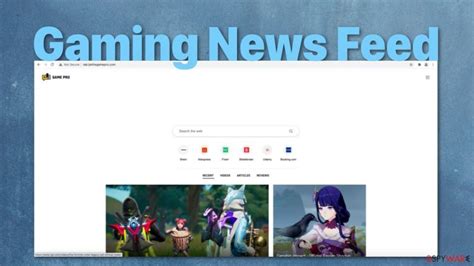
- RSS Feeds: If your favorite gaming news sites or developer blogs offer RSS feeds, use an RSS reader (like Feedly) to consolidate all updates into one convenient stream.
- Dedicated Game Tracking Apps/Websites: Tools like IsThereAnyDeal (which often tracks news alongside sales) or specific game wikis can be excellent for detailed update histories. Some launchers also have features that monitor specific game titles.
- Email Newsletters: Sign up for newsletters from publishers or gaming news outlets to get curated updates delivered directly to your inbox.

Develop a Personalized Strategy
No single method works for everyone. The key is to combine a few approaches that fit your gaming habits:
- Curate Your Follows: Be selective about who you follow on social media and which subreddits you join to avoid information overload.
- Create a ‘Watch List’: For games you’re not actively playing but want to keep an eye on, set up specific alerts or periodic checks.
- Prioritize: Decide which games are most important to you and focus your tracking efforts there. You don’t need to know every minor hotfix for every game you own.
By integrating a mix of official sources, community engagement, and smart tracking tools, you can effortlessly stay informed about all the critical game updates, patches, and DLC releases that matter most to you, ensuring you’re always ready for the next big gaming moment.