What assets maximize an indie game’s impact in a spotlight feature?
Securing a spotlight feature for your indie game is a golden opportunity to reach a broader audience, generate buzz, and drive wishlists. However, simply getting featured isn’t enough; the key is to maximize the impact of that feature. This requires a strategic approach to the assets you provide, ensuring they not only capture attention but also convey the essence and unique appeal of your game effectively.
Visuals That Tell a Story
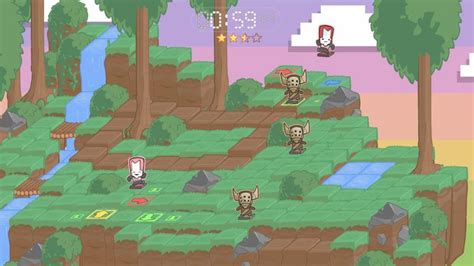
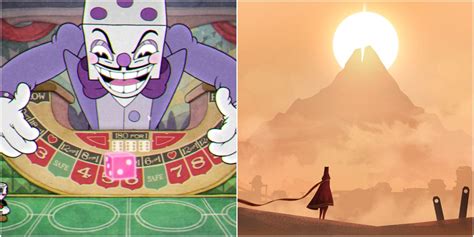
First impressions are paramount, and in the visual medium of video games, high-quality visuals are your most potent weapon. This includes stunning screenshots that highlight diverse gameplay moments and aesthetic choices, key art or concept art that captures the game’s mood, and an expertly crafted trailer. A trailer should be a concise narrative, showcasing gameplay, story hints, and the overall vibe without revealing too much. Think cinematic quality, even on an indie budget.
The Power of a Unique Hook
Beyond pretty pictures, your game needs a compelling narrative or a unique selling proposition (USP) that hooks the reader or viewer. What makes your game different? Is it an innovative mechanic, a never-before-told story, a striking art style, or a powerful emotional experience? Articulate this “hook” clearly and concisely. Provide journalists with an elevator pitch and a slightly longer summary that delves into the game’s premise, core gameplay loop, and any standout features. A strong narrative around the game itself or its development journey can make it far more memorable.
Show, Don’t Just Tell: Engaging Gameplay
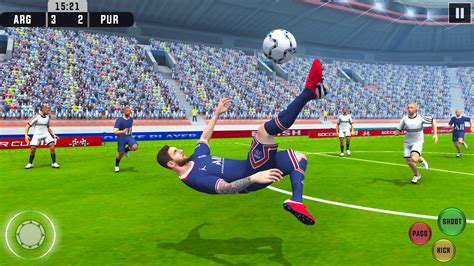
While a cinematic trailer is crucial, journalists and players alike crave raw, unadulterated gameplay. Provide short, impactful gameplay footage, ideally as GIFs or brief video clips, that demonstrate key mechanics, satisfying moments, and the overall flow of the game. These are incredibly shareable and allow audiences to quickly grasp what playing your game feels like. Ensure these snippets are polished and free of bugs, showcasing the game at its best.
Sound Design: The Unsung Hero
Often underestimated, sound design plays a critical role in immersion and emotional resonance. High-quality audio — from a memorable soundtrack to crisp sound effects and ambient noise — elevates the entire experience. Provide a taste of your game’s audio landscape. Even a short audio clip or a mention of your composer’s philosophy can enrich a feature and help readers imagine themselves within your game world.
Developer Personality and Behind-the-Scenes
Indie games often benefit from the human touch. Sharing a bit about the developer(s) – their passion, their struggles, the inspiration behind the game – can forge a deeper connection with the audience. Provide a brief bio, a photo, or even snippets from devlogs. This personal narrative adds authenticity and makes the game’s journey feel more tangible and relatable, often sparking interest beyond the game itself.

A Polished Press Kit and Easy Access
All these fantastic assets are useless if they aren’t easily accessible. A well-organized, comprehensive press kit is non-negotiable. It should include high-resolution screenshots, logos, key art, fact sheets, developer bios, and links to trailers and gameplay footage. Make sure it’s easy to find on your website or through a dedicated link. The less effort a journalist has to expend to find what they need, the more likely your game is to be featured effectively.

Call to Action and Future Engagement
Finally, every spotlight feature should lead to a clear call to action. Ensure that information on how to wishlist the game on platforms like Steam, follow social media channels, or sign up for newsletters is prominent. This maximizes the long-term impact of the feature by converting interest into tangible engagement and building a community around your game.
Maximizing an indie game’s impact in a spotlight feature isn’t about luck; it’s about preparation and presentation. By meticulously curating and providing a rich array of high-quality visuals, a compelling narrative, engaging gameplay snippets, thoughtful sound design, a touch of developer personality, and an accessible press kit, you empower journalists to tell your game’s story in the most captivating way possible. This holistic approach transforms a fleeting moment of attention into lasting interest and anticipation.