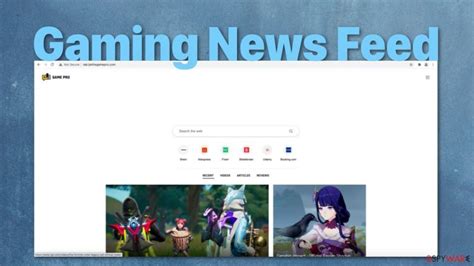
Best methods to filter gaming news by title & avoid misinformation?

Navigating the Gaming News Landscape
In the ever-evolving world of video games, staying informed about the latest releases, updates, and industry insights is crucial for enthusiasts and professionals alike. However, the sheer volume of information, combined with the rapid spread of rumors and outright misinformation, makes it increasingly challenging to discern fact from fiction. Misleading titles, clickbait articles, and unverified leaks can significantly impact community sentiment, purchasing decisions, and overall enjoyment. Developing effective filtering methods is no longer a luxury but a necessity for any serious gamer.

The Importance of Critical News Consumption
The digital age has democratized news distribution, allowing anyone to publish content. While this fosters diverse voices, it also means a higher prevalence of low-quality or intentionally misleading information. For gaming news, this can range from exaggerated game features and release date speculation to false controversies and harmful hoaxes. Unchecked misinformation can lead to disappointment, financial losses (e.g., pre-ordering based on false promises), and a general erosion of trust in the gaming media. Therefore, adopting a critical approach to every headline and article is paramount.
Method 1: Scrutinizing Titles and Headlines
The title is often the first point of contact and, unfortunately, where much of the misinformation starts. Learning to deconstruct headlines can save significant time and prevent unnecessary alarm.
- Look for Clickbait Indicators: Titles using phrases like “You Won’t Believe What Happened!”, “Shocking Revelation!”, or excessive exclamation marks are red flags. They often prioritize emotional response over factual reporting.
- Vague vs. Specific Language: Specific titles that name sources, dates, or precise events are generally more reliable than vague, sensational ones. For example, “Developer X confirms game Y delay to Q3 2024” is better than “Game Y might be delayed!”
- Examine the Tone: Highly emotional, overly opinionated, or accusatory titles usually indicate bias rather than objective reporting. News should strive for neutrality in its presentation.
- Question Declarations of Certainty: Be wary of titles that present unconfirmed rumors or speculation as definitive facts. Look for qualifying words like “reportedly,” “rumored,” or “sources suggest.”

Method 2: Verifying the Source’s Credibility
Even with a well-crafted title, the source can make or break an article’s credibility. Always consider who is delivering the news.
- Reputable Gaming Outlets: Familiarize yourself with established and respected gaming news sites (e.g., IGN, GameSpot, Eurogamer, PC Gamer, Kotaku, Polygon, etc.). These outlets often have editorial standards, fact-checkers, and a history of reliable reporting.
- Official Developer/Publisher Channels: The most accurate information will always come directly from the source. Check official game websites, developer blogs, social media accounts (verified ones), and press releases.
- Individual Journalists/Creators: If the news comes from an individual, research their background. Do they have a track record of accuracy? Are they known for ethical reporting or for sensationalism?
- Look Beyond the Domain Name: A professional-looking website doesn’t guarantee reliability. Check the ‘About Us’ or ‘Contact’ pages for transparency regarding ownership, editorial policy, and staff. Be wary of sites with anonymous authors or generic contact information.
Method 3: Cross-Referencing and Fact-Checking
One reliable piece of advice for any news consumption is: don’t take one source’s word as gospel. Always seek corroboration.
- Seek Multiple Reports: If a significant piece of news breaks, multiple reputable outlets will likely cover it. Compare their reporting. Do they all present the same facts? Are there discrepancies?
- Check for Official Statements: For major announcements (game delays, new features, controversies), always check if the developer or publisher has made an official statement. This is the ultimate source of truth.
- Utilize Fact-Checking Tools (General): While specific gaming fact-checkers are rare, the principles of general fact-checking apply. If a claim seems extraordinary, it likely requires extraordinary evidence.
- Examine Evidence Presented: Does the article link to its sources? Are screenshots or videos presented verifiable? Beware of articles that make bold claims without any supporting evidence.
Method 4: Cultivating Critical Thinking Skills
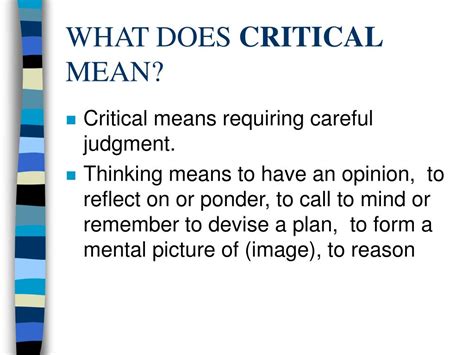
Ultimately, the best defense against misinformation is a sharp mind. Develop a habit of critical thinking with every piece of gaming news you encounter.
- Question Assumptions: Don’t assume everything you read is true. Approach news with a healthy dose of skepticism.
- Recognize Bias: Everyone has biases. Understand that even reputable sources can have a subtle slant. Be aware of your own biases when interpreting news.
- Understand the Difference: Distinguish between news (factual reporting), opinion (personal views), and rumors/leaks (unverified information). Treat each category differently.
- Wait and See: Sometimes, the best approach is patience. Major news or controversial claims will either be confirmed or debunked over time. Avoid making immediate judgments or sharing unverified information.
Conclusion
The gaming news landscape is a dynamic and often thrilling space, but it’s also ripe for manipulation. By meticulously scrutinizing titles, verifying sources, cross-referencing information, and cultivating strong critical thinking skills, you can effectively filter out the noise and misinformation. Staying accurately informed ensures you make better decisions, engage in more meaningful discussions, and ultimately enjoy your gaming experience without falling victim to misleading narratives.