How to quickly adapt my PvP build to counter the dominant meta archetype after a balance patch?

A balance patch in any competitive PvP game is a game-changer. What was once dominant can become obsolete, and new strategies emerge, often coalescing into a ‘dominant meta archetype’ that can feel oppressive. Quickly adapting your build to counter this new meta is crucial for maintaining your competitive edge and climbing the ranks. This guide will walk you through the process of analyzing, adapting, and refining your PvP build.
Understanding the Balance Patch and Its Impact
The first step in adaptation is comprehension. Dive deep into the patch notes, focusing on direct buffs and nerfs to classes, abilities, items, or talents. However, direct changes are only part of the story. Pay close attention to indirect impacts—how changes to one aspect might create new synergies or break old ones, subtly shifting the power dynamics of various archetypes.

Consider not just what was changed, but why. Developers often target specific playstyles or overwhelming strategies. Understanding their intent can give you a clue as to what archetypes they want to see rise or fall, which helps in predicting the future meta.
Identifying the New Dominant Archetype(s)
After the patch, the meta will begin to solidify. This is the observation phase. Spend time playing, watching streams, or consulting community forums and leaderboards. Look for patterns:
- Which classes or specific builds are you consistently encountering?
- What common itemizations or talent choices are being made?
- Are there specific strategies (e.g., heavy burst, sustained pressure, CC chains) that seem overly effective?
The dominant archetype will usually become apparent within a few days to a week. Don’t jump to conclusions too early, as initial trends can sometimes be false positives.
Deconstructing the Dominant Archetype
Once you’ve identified the primary threat, it’s time to break it down. Understand its core mechanics:
- Key Strengths: What makes it powerful? Is it immense burst damage, unparalleled sustain, oppressive crowd control, or extreme mobility? Identify the primary win condition.
- Key Weaknesses: Every build has a counter. Does it lack sustain against prolonged damage? Is it vulnerable to specific crowd control? Does it have a predictable damage window that can be mitigated? Pinpointing these vulnerabilities is the bedrock of your counter-strategy.
Adapting Your Build: Counter-Play Strategies
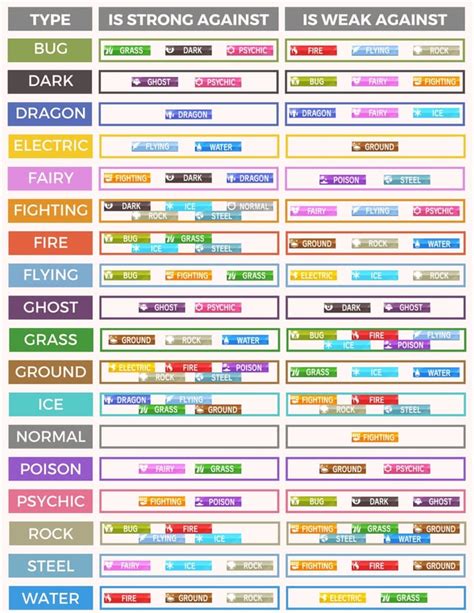
With a clear understanding of the dominant archetype’s strengths and weaknesses, you can now begin to modify your own build. This isn’t about abandoning your core playstyle, but rather fine-tuning it to exploit the meta’s vulnerabilities.
Offensive Adjustments:
- Damage Profile: If the meta is heavily armored, consider shifting to magical or true damage. If it relies on shields, burst damage to break them quickly might be key.
- Target Prioritization: Does the meta archetype have a critical support unit or an easily focused damage dealer? Adjust your offensive rotation to target their weak link.
Defensive Adjustments:
- Resistances/Health: If the dominant threat deals a specific damage type (e.g., fire), stack resistances against it. If it’s a raw damage threat, increasing your health pool or damage reduction might be more effective.
- Sustain/Mitigation: Implement healing reduction if they have high self-sustain. Incorporate shields, damage reduction abilities, or crowd control breaks if they rely on burst or CC setups.
Utility Adjustments:
- Crowd Control: Does the meta build lack mobility? Add more slows or roots to your kit. Is it immune to specific CCs? Find alternatives.
- Debuff/Buff Management: If they rely on powerful buffs, find ways to purge them. If they apply dangerous debuffs, ensure you have cleanse options.

Rapid Testing and Iteration
Theorycrafting is important, but practical application is where builds are proven. Don’t be afraid to queue up with your adapted build. However, approach these matches with a testing mindset:
- Specific Goals: Instead of just trying to win, focus on testing specific changes. Did that new item help against the meta’s burst? Did that talent choice provide enough sustain?
- Analyze Losses: You’ll lose. But losses are valuable data. What caused the loss? Was it a flaw in your counter-strategy, or a misplay?
- Iterate: Make small, incremental changes based on your test results. Avoid overhauling your entire build after every loss; fine-tune instead.
Staying Ahead of the Curve
The meta is a living, breathing entity. Even after adapting, it will continue to shift. Other players will find counters to the dominant archetype, or developers might release hotfixes. Stay vigilant, continue observing, and be prepared to iterate again. Engage with your community, share findings, and learn from top players who are often at the forefront of meta discovery.
By systematically analyzing the balance patch, identifying the new meta, deconstructing its strengths and weaknesses, and iteratively refining your build, you can quickly adapt and thrive in the ever-changing landscape of PvP. The key is to be proactive, analytical, and persistent.