Actionable advice: How to swiftly integrate game patch notes into guides?

The Ever-Evolving Game Landscape
For dedicated guide writers, the release of a new game patch is often a mixed bag: excitement for fresh content, but also the daunting task of ensuring existing guides remain accurate and relevant. The speed at which you can adapt your guides to these changes directly impacts their utility and your credibility within the gaming community.
Players rely on up-to-date information for optimal gameplay, new strategies, and understanding mechanics. An outdated guide can quickly become a source of frustration rather than help, making swift integration of patch notes not just a best practice, but a necessity.

Streamlining Your Update Workflow
Efficiency is key when dealing with frequent game updates. Adopting a structured approach can significantly cut down on the time and effort required to refresh your content.
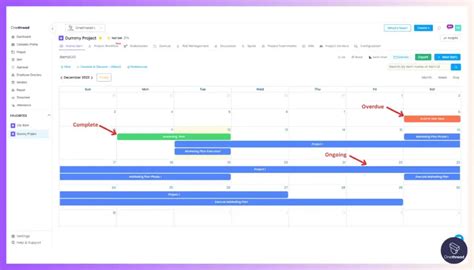
1. Proactive Monitoring & Rapid Assessment
- Stay Informed: Subscribe to official developer channels (Discord, forums, Twitter, news feeds). Set up alerts for “patch notes,” “update,” or “maintenance.”
- Initial Scan: As soon as notes drop, perform a quick scan to identify critical changes. Look for nerfs/buffs to core abilities, significant system overhauls, new items/mechanics, or major bug fixes that impact strategy.
- Prioritize Impact: Categorize changes by their potential impact on gameplay. Focus on high-priority items first (e.g., character balance changes that shift the meta) before tackling minor tweaks.
2. Modular Guide Design & Templating
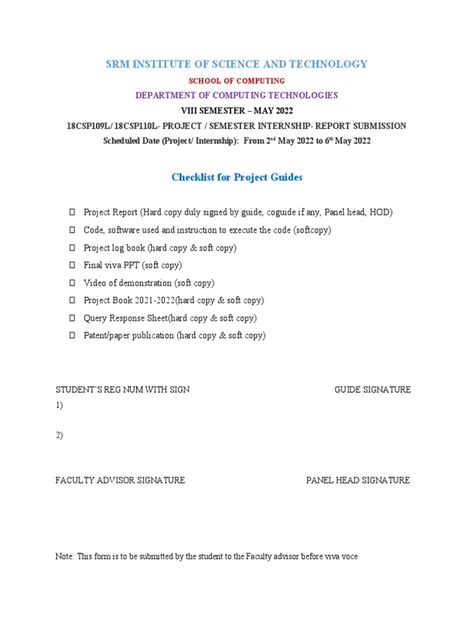
Think of your guides not as monolithic documents but as collections of interconnected, manageable modules. This architecture makes updates far less intimidating.
- Sectional Writing: Break down guides into distinct, self-contained sections (e.g., “Character Abilities,” “Gear Builds,” “Quest Walkthrough,” “Strategy Tips”).
- Standardized Formats: Use consistent headings, bullet points, and data tables. This makes it easier to locate specific information that needs updating and reduces reformatting time.
- Templates: For recurring content types (e.g., item descriptions, skill breakdowns), create templates. When a patch changes values, you only need to update the data fields, not the entire structure.
3. Leveraging Technology & Collaboration
Modern tools can be invaluable allies in the battle against outdated content.
- Content Management Systems (CMS): Utilize a CMS with good version control (e.g., WordPress, custom platforms). This allows you to track changes, revert if necessary, and publish updates quickly.
- Text Comparison Tools: Online diff checkers can highlight exact textual differences between previous and current patch notes, helping you pinpoint relevant changes rapidly.
- Shared Documents & Collaboration Platforms: If you work with a team, use Google Docs, Notion, or similar platforms that allow real-time editing and commenting, streamlining the review process.
- Internal Change Logs: Maintain your own brief internal log of how each patch impacts your guides. This helps track what’s been updated and what’s still pending.
4. The “Quick Fix” and Iterative Updates
Don’t feel pressured to deliver a perfectly polished, fully revised guide immediately. Sometimes, a rapid, albeit brief, update is better than silence.
- Initial “Hotfix” Posts: Publish a short summary of critical changes and how they impact existing guide sections. Mark relevant sections of your guide as “Under Review for Patch X.X.”
- Iterative Refinements: Once the immediate critical updates are live, you can then take more time to refine language, add new screenshots, and delve into deeper analysis.
- Community Feedback Loop: Encourage readers to report discrepancies or suggest missing information. They are often the first to notice subtle changes you might have overlooked.

Staying Ahead of the Curve
Integrating patch notes swiftly into your guides is a continuous process that demands vigilance and adaptability. By adopting proactive monitoring, employing modular design, utilizing technological tools, and embracing an iterative update cycle, you can significantly enhance your efficiency.
Ultimately, a guide that is consistently accurate and timely serves its audience best, reinforcing your position as a valuable resource within the gaming community. Master these practices, and you’ll not only save yourself time but also build greater trust with your readers.