GPU upgrade for 1440p gaming: How much VRAM is truly needed for modern titles?
Understanding VRAM for High-Resolution Gaming
As 1440p resolution becomes the sweet spot for many PC gamers, offering a significant visual upgrade over 1080p without the extreme hardware demands of 4K, the question of Video Random Access Memory (VRAM) becomes increasingly pertinent. A GPU upgrade for this resolution range needs careful consideration, especially regarding the amount of VRAM. But how much is truly needed for modern titles, and how much is just marketing hype?
VRAM serves as the dedicated high-speed memory for your graphics card, storing crucial data like textures, frame buffers, and graphical assets that the GPU needs to render images on your screen. The higher the resolution, the more pixels need to be rendered, and the larger and more detailed the textures can be, all of which demand more VRAM.
The 1440p Advantage and Its VRAM Demands
1440p (2560×1440 pixels) contains roughly 77% more pixels than 1080p (1920×1080 pixels). This substantial increase directly translates to a greater workload for your GPU and, crucially, a higher VRAM requirement. Modern games, especially AAA titles, are designed with intricate environments, high-resolution textures, and advanced graphical effects like ray tracing, all of which are VRAM intensive. At 1440p, your GPU will be loading larger versions of these assets to maintain visual fidelity, quickly eating into available VRAM.
Running out of VRAM can lead to a phenomenon known as “stuttering” or “hitching,” where the system has to offload data to slower system RAM, causing noticeable performance drops and a less fluid gaming experience. This is particularly pronounced in open-world games or titles with highly detailed graphics settings.
Current VRAM Recommendations for 1440p
For a comfortable 1440p gaming experience in 2024 and beyond, an 8GB VRAM GPU should be considered the bare minimum. While many games will run adequately at this level, especially with slight compromises on texture quality, some of the most demanding titles, particularly those utilizing ray tracing or running with ultra texture settings, can push past this limit.
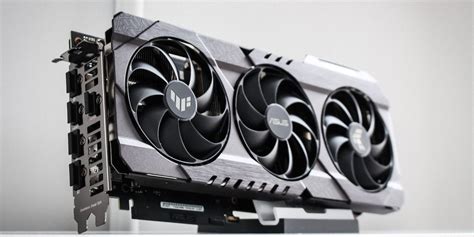
For optimal performance, longevity, and to truly enjoy modern and upcoming AAA titles without worrying about VRAM bottlenecks, a GPU with 12GB or even 16GB of VRAM is highly recommended. Cards like the RTX 4070 Super (12GB), RX 7800 XT (16GB), or even higher-end options provide ample VRAM headspace, allowing you to crank up texture settings and enable advanced graphical features without performance penalties.
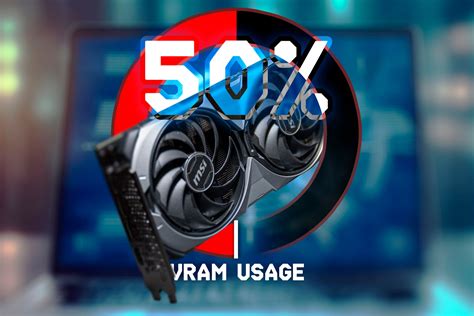
Future-Proofing Your 1440p Rig
Investing in a GPU with more VRAM than currently *strictly* needed can be a wise move for future-proofing. Game developers are continuously pushing graphical boundaries, and VRAM requirements are likely to continue their upward trend. A card with 12GB or more VRAM offers a longer lifespan before you hit a VRAM ceiling, saving you from another upgrade sooner than expected.
Consider the types of games you play. Competitive esports titles are generally less VRAM-hungry, whereas graphically intensive single-player experiences benefit immensely from more VRAM. Also, if you plan on using high-resolution texture packs, modding extensively, or engaging in content creation alongside gaming, increased VRAM will be a significant advantage.

Beyond VRAM: The Importance of Core GPU Power
It’s crucial to remember that VRAM is just one component of a GPU’s overall performance. A graphics card with abundant VRAM but a weak underlying processing unit (the GPU core itself) will still struggle to deliver high frame rates at 1440p. The core GPU must be powerful enough to process the graphical data quickly and efficiently. Always aim for a balanced GPU that offers a good combination of VRAM, core clock speeds, shader units, and memory bandwidth.
For instance, an older card with 16GB of VRAM might be significantly slower than a newer card with 12GB of VRAM, simply because the newer card’s architecture and core processing power are far superior. Benchmarks and reviews are your best friends when making a purchasing decision, as they provide real-world performance data.

Conclusion: Finding Your VRAM Sweet Spot
For 1440p gaming with modern titles, while 8GB of VRAM can get you by, a GPU with 12GB or more VRAM offers a much smoother, more visually rich, and future-proof experience. It allows you to maximize texture quality, enjoy advanced graphical features, and ensure your system can handle the demands of upcoming games. Balance your VRAM consideration with the overall power of the GPU core and your budget to make the best upgrade decision for your 1440p gaming rig.