What post-spotlight tactics help indie devs sustain game discoverability?

The initial buzz surrounding an indie game can be intoxicating, but maintaining momentum after the spotlight fades presents a significant challenge. Many developers experience a sharp drop in visibility and sales once featured promotions or launch events conclude. The key to long-term success isn’t just about catching the light, but about building mechanisms to reflect it continuously. This requires a proactive, sustained approach to marketing and community engagement, transforming fleeting attention into lasting appeal.
The Enduring Power of Community
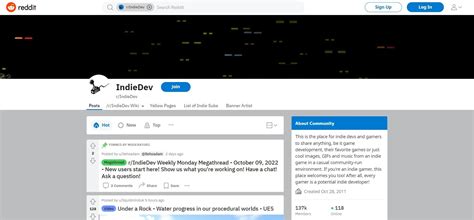
Building a dedicated community around your game is perhaps the most potent tool for sustained discoverability. Engaged players become advocates, spreading the word organically and keeping the game relevant through discussions, fan art, and user-generated content. Platforms like Discord, Reddit, and dedicated forums are invaluable for fostering these connections. Regular interaction, listening to feedback, and creating a welcoming space can transform casual players into a loyal fanbase.
This doesn’t mean just posting announcements; it means active participation, answering questions, running polls, and even hosting community events within or around your game. A strong community acts as a perpetual motion machine for your game’s visibility, far beyond any initial spotlight.

Consistent Content & Updates
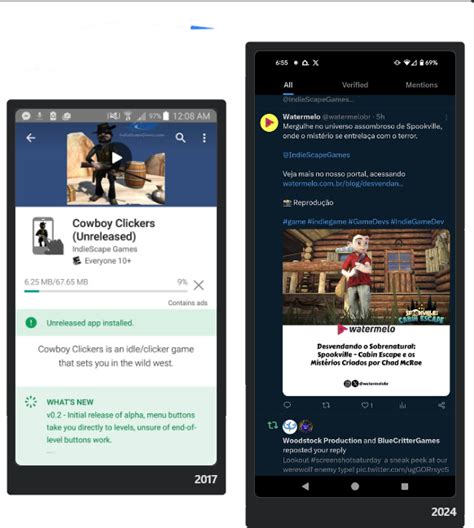
A living game is a discoverable game. Regular updates, whether minor bug fixes or significant content additions, signal to players and platforms alike that your game is actively supported and growing. Announcing these updates through devlogs, blog posts, and social media creates fresh opportunities for media coverage and player re-engagement.
New game modes, characters, levels, or quality-of-life improvements provide compelling reasons for existing players to return and for new players to take notice. Each update is a chance to re-ignite interest, get featured in “What’s New” sections, and potentially attract streamers who might revisit your title. Transparent communication about your development roadmap also builds trust and anticipation.
Strategic Outreach & Collaboration
While initial spotlights often involve platform features or major influencers, post-launch outreach requires a more targeted and sustained effort. Continuously seek out smaller, niche streamers and content creators whose audience aligns with your game. These creators, often overlooked, can provide valuable, authentic exposure that resonates deeply with their dedicated followers.
Furthermore, consider cross-promotion with other indie developers. Partnering with a studio whose game complements yours can introduce your title to a new, relevant audience. This might involve joint marketing campaigns, bundle deals, or even in-game crossovers. Collective strength in the indie scene can amplify individual discoverability.

Smart Sales & Bundle Participation
Sales events and curated bundles are powerful tools for revitalizing interest and boosting sales, but they must be deployed strategically. Rather than constantly discounting, participate in themed sales (e.g., Halloween, Summer, genre-specific) and consider reputable, well-curated bundles.
Analyze the impact of previous sales to understand optimal discount percentages and timing. A well-timed, significant discount can bring a surge of new players, especially if coupled with a recent content update or positive community buzz. Avoid “race to the bottom” pricing, which can devalue your game; instead, focus on value perception and strategic timing.

Data-Driven Iteration & Long-Term Vision
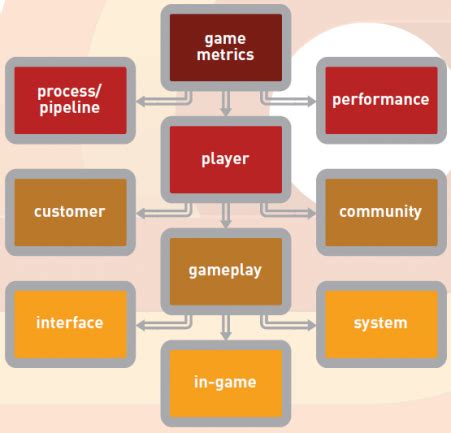
Sustaining discoverability isn’t a one-time fix; it’s an ongoing process informed by data. Regularly analyze your game’s performance metrics: player acquisition sources, retention rates, wishlist conversions, and sales data. Understand what marketing channels are most effective and where players are dropping off.
Use this feedback to iterate not just on your game, but on your marketing strategies. Are players asking for a specific feature? Is a certain region underserved? Adapting your game and your message based on real player behavior ensures your efforts remain relevant and impactful. Developing a long-term vision, perhaps with planned DLC or sequels, also keeps your game in the public eye and provides future anchors for discoverability efforts.
The journey of an indie game doesn’t end when the launch spotlight dims. In fact, that’s often when the real work begins. By investing in a vibrant community, delivering consistent updates, pursuing strategic outreach, leveraging smart sales, and continuously learning from data, indie developers can build a sustainable presence that transcends initial promotional boosts. Sustained discoverability is not about luck; it’s about persistent, thoughtful engagement with your game and its audience.