What specific game details boost an indie title’s impact in a spotlight feature?

Capturing Attention: The Essence of a Standout Indie Spotlight
For an indie game, a spotlight feature can be a make-or-break moment, catapulting a hidden gem into the public consciousness. But merely existing isn’t enough; the key to maximizing impact lies in the meticulous selection and articulate presentation of specific game details. It’s about more than just showcasing gameplay; it’s about telling a compelling story that resonates with players and critics alike, making your title unforgettable amidst a sea of releases.
The Power of a Distinct Core Concept
Every impactful indie spotlight begins with a clear, unique selling proposition (USP). What is the one thing your game does that no other game does, or does in a profoundly different way? Whether it’s a genre-bending mechanic, a never-before-seen art style, or a narrative premise that immediately hooks, articulating this core concept with precision is paramount. It serves as the elevator pitch, the immediate answer to “What is this game?” that should pique interest instantly.
Showcasing Unique Gameplay Mechanics
Beyond the core concept, diving into the nitty-gritty of gameplay mechanics is crucial. Don’t just say your game has combat; explain *how* your combat is unique. Is there a dynamic combo system, an innovative resource management loop, or a physics-based puzzle element that sets it apart? Detailed examples of specific interactions, player choices, and emergent gameplay moments offer tangible proof of your game’s depth and innovation. These are the elements that translate into memorable play experiences.

The Allure of Art Style and Aesthetic
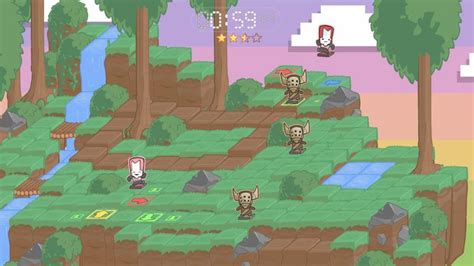
Visuals and audio are often the first points of connection. A distinctive art style—be it pixel art, hand-drawn, 3D low-poly, or something entirely new—can define an indie title’s identity. Explain the inspiration behind your aesthetic choices and how they enhance the game’s theme or mood. Similarly, discuss the sound design, soundtrack, and voice acting (if any), detailing how these elements contribute to the overall immersion and atmosphere. A cohesive aesthetic narrative can be just as powerful as a written one.
Compelling Narrative and World-building
Even if your game isn’t story-driven, every title exists within a context. For games with strong narratives, a spotlight feature is the perfect place to tease the lore, introduce intriguing characters, or hint at the emotional journey awaiting players. For gameplay-focused titles, discuss the world your game inhabits, its history, inhabitants, and how these elements indirectly influence the player’s experience. A rich backstory, even if subtle, adds layers of intrigue and encourages deeper engagement.

Highlighting the Developer’s Journey
Indie games often come with a human story behind them. Sharing insights into the development process—the challenges faced, the breakthroughs celebrated, the passion driving the team—can forge a powerful connection with the audience. This personal touch humanizes the product, transforming it from a mere piece of software into a labor of love. Discussing the inspirations, the iterative design process, or even a quirky anecdote from development can make your game resonate on an emotional level.

Technical Polish and Platform Optimization
While often overlooked in favor of creative details, demonstrating a commitment to technical excellence can significantly boost impact. Highlighting smooth performance, intuitive UI/UX, robust accessibility options, and specific optimizations for target platforms (e.g., Steam Deck verification, console-specific features) assures players of a high-quality experience. This attention to detail speaks volumes about the developers’ professionalism and respect for their audience.

Community Engagement and Future Vision
Finally, a spotlight feature is an excellent opportunity to discuss your game’s future. What are the post-launch plans? Are there expansions, updates, or community events in the pipeline? Highlighting how you plan to engage with your player base, listen to feedback, and evolve the game demonstrates a long-term vision and commitment. This transparency can foster a sense of belonging and encourage early adoption and continued support.

Conclusion: The Art of Strategic Detail Selection
Ultimately, boosting an indie title’s impact in a spotlight feature isn’t about listing every single aspect of your game. It’s about strategically selecting the most compelling, unique, and well-executed details that paint a vivid, enticing picture. By focusing on your game’s core concept, innovative mechanics, distinctive aesthetics, engaging narrative, human development story, technical polish, and future vision, indie developers can craft a spotlight that not only grabs attention but also converts interest into passionate advocacy and loyal players.