What makes an indie game pitch truly compelling for your Gaming Spotlight?

Standing Out in a Crowded Cosmos: The Art of the Indie Game Pitch
In the vast, ever-expanding universe of indie games, merely existing isn’t enough to secure a coveted spot in a gaming spotlight. Developers pour their hearts and souls into their creations, but without a truly compelling pitch, even the most innovative and beautiful games can go unnoticed. So, what exactly separates a good pitch from one that demands attention, turning heads and opening doors to media coverage, partnerships, or even funding?
Crafting an Irresistible Core Concept
At the heart of every successful pitch is a clear, concise, and utterly captivating core concept. This isn’t just a game idea; it’s the unique selling proposition (USP) distilled into an elevator pitch. Can you explain your game’s essence, its genre, and what makes it special in 30 seconds or less? A compelling concept goes beyond mechanics, hinting at the emotional experience or the unique narrative players will encounter.
Innovation is key. While drawing inspiration from beloved titles is natural, a truly compelling pitch highlights how your game twists expectations, introduces novel mechanics, or explores uncharted thematic territory. It’s about demonstrating not just what your game is, but why it needs to exist and why players will care.
Understanding your target audience is also crucial. A pitch that clearly articulates who the game is for, and why they will love it, shows foresight and strategic thinking. This demonstrates that you’ve thought beyond development and into the player’s experience.

Visual Storytelling: The Power of First Impressions
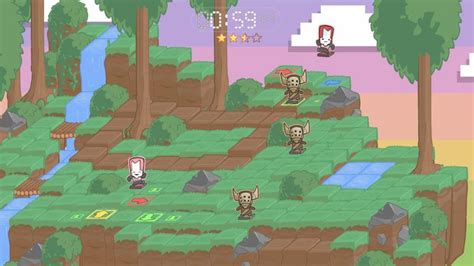
Gaming is a visual medium, and your pitch must reflect that. High-quality visuals are not optional; they are paramount. This includes stunning screenshots, captivating GIFs, and, ideally, a concise gameplay trailer that showcases core mechanics and the game’s overall aesthetic. These visuals aren’t just pretty pictures; they are an extension of your storytelling.
Show, don’t just tell. A compelling pitch uses visuals to convey the mood, the art style, the gameplay loop, and the unique selling points far more effectively than text alone ever could. Are your character designs memorable? Does your environment design evoke a specific atmosphere? Let your assets speak volumes about the game’s polish and potential.
Consistency in art direction is also vital. A cohesive visual identity reassures the recipient that your game has a strong artistic vision and a professional approach to its development. Even early-stage pitches should aim for visuals that are representative of the game’s intended final quality.
![[200+] Indie Aesthetic Pictures | Wallpapers.com](/images/aHR0cHM6Ly90czEubW0uYmluZy5uZXQvdGg/aWQ9T0lQLmdrUmk3TFMwYU5aREE0M3lJZ1ZZaGdIYUVLJnBpZD0xNS4x.webp)
Passion, Professionalism, and the People Behind the Game
While the game itself is central, the team behind it often plays a significant role in a pitch’s success. Your passion for the project must shine through, but it needs to be tempered with professionalism. A compelling pitch conveys genuine enthusiasm without being overzealous or disorganized.
Demonstrating professionalism includes clear communication, adherence to requested formats, and a well-structured presentation. Even small teams can exude competence by clearly outlining their roles, their development roadmap, and any past relevant experiences or successes. Highlight unique skills or perspectives that the team brings to the project.
Ultimately, people want to support other people. A pitch that establishes trust and confidence in the development team’s ability to deliver on their vision is far more compelling. Show that you have a plan, you’ve anticipated challenges, and you are dedicated to bringing your game to fruition.

Strategic Positioning and Market Awareness
A truly compelling pitch goes beyond just describing the game; it demonstrates an understanding of the broader market landscape. Where does your game fit within its genre? Who are your direct and indirect competitors? What unique niche does it occupy? This level of market awareness shows maturity and strategic thinking.
Articulating your game’s potential commercial viability and audience reach further strengthens your pitch. Are you targeting a specific demographic? Do you have plans for community engagement or post-launch content? Even if the pitch is for media coverage, showing you’ve thought about the game’s life beyond launch adds significant weight.
This section isn’t about bragging; it’s about demonstrating that your game isn’t just a passion project, but a carefully considered product with a place in the gaming ecosystem. It tells the recipient that you’ve done your homework and are serious about your game’s success.

The Polished Package: Delivery and Follow-up
Finally, the delivery of the pitch itself contributes significantly to its impact. A compelling pitch is concise, impeccably written, and free of errors. Respect the recipient’s time by getting straight to the point and providing all necessary information in an easily digestible format.
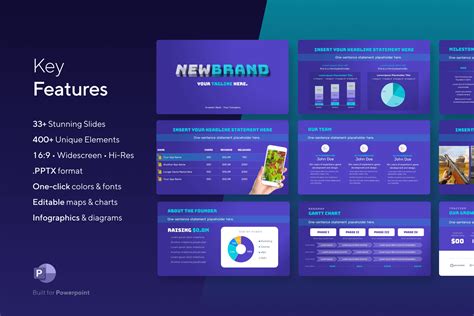
Provide easy access to additional materials such as a press kit, a playable demo (if appropriate), or a detailed design document. Ensure all links work and materials are well-organized. A clear call to action – whether it’s an invitation to try a demo, schedule an interview, or feature the game – guides the recipient on what to do next.
Being prepared for follow-up questions and maintaining prompt, professional communication post-pitch further reinforces your reliability and dedication. A compelling pitch is just the beginning of a conversation, and how you handle that conversation is equally important.
Conclusion: Your Game’s Story Deserves to Be Heard
Ultimately, a truly compelling indie game pitch is a masterclass in storytelling. It doesn’t just describe a game; it narrates a vision, showcases passion, and demonstrates a clear path to success. By focusing on an irresistible core concept, striking visuals, a passionate and professional team, strategic market awareness, and flawless delivery, indie developers can transform their pitches from hopeful requests into undeniable opportunities. Your game’s story deserves to be heard, and a compelling pitch is the loudest, clearest voice you have.