Beyond patch notes, how can we make game update articles more engaging?
The Patch Note Predicament: A Missed Opportunity
For many gamers, the arrival of a new patch or update notification is met with a mix of anticipation and dread. Anticipation for new content and fixes, dread for the often dry, technical, and lengthy lists of ‘patch notes’ that accompany them. While essential for transparency and informing players of exact changes, traditional patch notes frequently fall short in capturing excitement, conveying the ‘why’ behind decisions, or truly engaging the player base. In a world saturated with content, a simple bulleted list of bug fixes and balance tweaks is a missed opportunity to connect with the community and build lasting enthusiasm for a game’s ongoing journey.
The goal isn’t to eliminate patch notes, but to elevate the way we present them, transforming a functional necessity into an engaging piece of content. By infusing creativity and strategic communication, developers can turn every update into a story, a conversation, and a deeper dive into the world players love.
Embracing Narrative: The Story Behind the Update
Imagine if every update wasn’t just a list of changes, but a chapter in an ongoing saga. Instead of simply stating ‘NPC AI improved,’ an article could begin: ‘As the shadows lengthen across Eldoria, our scouts report smarter, more cunning adversaries. Our latest update delves into the dark arts of artificial intelligence, empowering foes with enhanced pathfinding and decision-making…’ Framing updates within the game’s lore or an overarching development narrative makes the technical more digestible and infinitely more compelling. It connects changes to the player’s experience and the evolving world they inhabit, sparking imagination rather than just informing intellect.
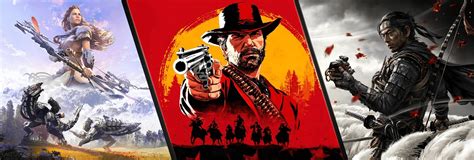
This approach isn’t limited to lore. It can also be the story of development itself – the challenges overcome, the new features envisioned, and how they contribute to the game’s grand vision. Humanizing the process adds depth and allows players to feel more invested in the journey.
Developer Diaries: Peeking Behind the Curtain
Players are inherently curious about the creative process. Incorporating developer commentary, insights into design philosophy, and even anecdotes about the challenges faced during an update’s creation can forge a powerful bond. A short ‘dev diary’ section explaining why a particular balance change was made, or the unexpected difficulties encountered while implementing a new feature, offers invaluable context.

This transparency builds trust and empathy. When players understand the thought process and effort behind changes, they are often more receptive to them, even if they initially disagree. It transforms abstract changes into concrete efforts by passionate individuals.
Visuals and Interactivity: Show, Don’t Just Tell
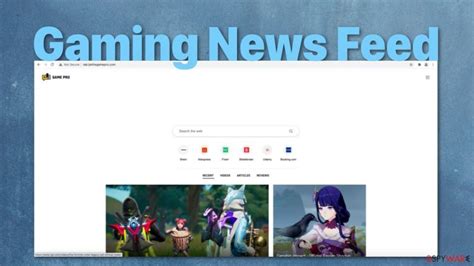
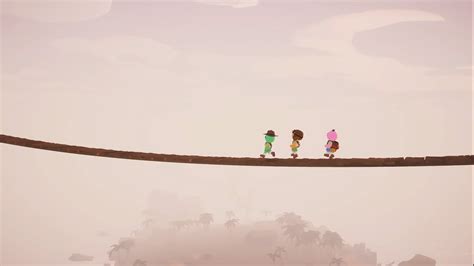
In a visually driven medium like gaming, static text can only go so far. Game update articles should be rich with multimedia. High-quality screenshots showcasing new environments, character models, or UI changes are a must. Short video clips demonstrating new abilities, gameplay tweaks, or before-and-after comparisons can powerfully illustrate the impact of an update.
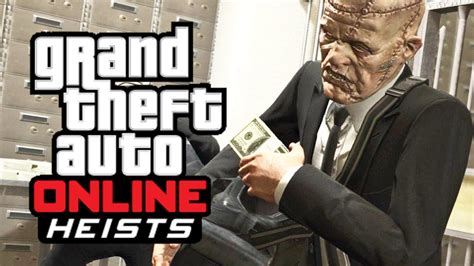
Infographics can simplify complex balance changes or new system mechanics. Beyond visuals, consider interactive elements: embedded polls asking for feedback on new features, or a moderated Q&A section with a developer about specific aspects of the patch. These foster a two-way conversation, making players feel heard and valued.
Community Connection: Featuring Player Impact
Game updates are often a response to community feedback or a catalyst for new player creativity. Highlighting how an update directly addresses popular requests, or showcasing impressive player creations made possible by new tools, strengthens the community bond. Imagine an article featuring screenshots of player-built structures utilizing new building blocks from a recent patch, or quoting a player whose long-standing bug report was finally squashed.

This approach validates the community’s role in the game’s evolution and celebrates their contributions. It makes players feel like active participants, not just consumers, of the game’s ongoing development.
Looking Ahead: Building Anticipation
An update article shouldn’t just be about what’s just happened. It can also be a springboard for what’s next. Offering tantalizing glimpses into the future – a roadmap of upcoming content, concept art for future characters, or even just a cryptic tease for the next major patch – keeps the excitement alive. It gives players something to look forward to and signals a commitment to the game’s long-term health.

This strategy transforms update announcements into consistent touchpoints for ongoing engagement, turning each release into a stepping stone towards an even more vibrant future for the game.
Conclusion: Beyond the Bullet Points
Transforming game update articles from mere patch notes into engaging narratives requires a shift in perspective. By embracing storytelling, offering developer insights, leveraging rich multimedia, celebrating community contributions, and hinting at future possibilities, developers can do more than just inform – they can inspire, connect, and sustain enthusiasm. It’s about recognizing that every update is an opportunity to deepen the relationship between the game, its creators, and its passionate player base, fostering a community that eagerly awaits not just the next patch, but the next chapter.