





How can we structure gaming walkthroughs for players seeking quick, specific answers?

In the vast and ever-expanding world of video games, players frequently encounter challenges that prompt them to seek external help. Gone are the days when a linear, narrative-style walkthrough was the sole standard. Today’s players, often juggling limited time, are looking for efficiency: quick, specific answers to their immediate problems. This shift demands a rethinking of how gaming walkthroughs are structured and presented.
Understanding the Modern Gamer’s Need
The contemporary player isn’t always looking for a full play-by-play. They might be stuck on a particular boss, searching for a hidden collectible, trying to solve a specific puzzle, or optimizing a character build. Their primary goal is often to overcome a single obstacle and get back to enjoying the game as quickly as possible. This ‘micro-query’ behavior means traditional, long-form guides can be frustratingly slow to navigate.

Core Principles for Quick-Answer Walkthroughs
To cater to this need, walkthroughs must prioritize scannability, searchability, and directness. Here’s how to achieve that:
1. Hyper-Specific Headings and Subheadings
Instead of broad chapter titles, use precise, keyword-rich headings that directly address common player questions. For example, instead of “Chapter 3: The Forest,” opt for “How to Defeat the Sporeling Boss in Whispering Woods” or “All Whispering Woods Collectibles Location Guide.” This allows players to instantly identify relevant sections.
2. Actionable Table of Contents and Internal Navigation
Every comprehensive guide should feature an interactive table of contents at the beginning, hyperlinking to each specific section. For longer guides, consider adding mini-TOCs at the start of major sections or ‘jump to top’ buttons. This empowers players to leap directly to their point of interest without endless scrolling.
3. Concise, Direct Language
When providing solutions, get straight to the point. Avoid unnecessary fluff, narrative detours, or lengthy explanations. Use bullet points, numbered lists, and short paragraphs to convey information efficiently. If a player asks how to solve a puzzle, the first sentence should ideally provide the answer, followed by brief supporting details.
4. Visual Aids: Screenshots, Maps, and Videos
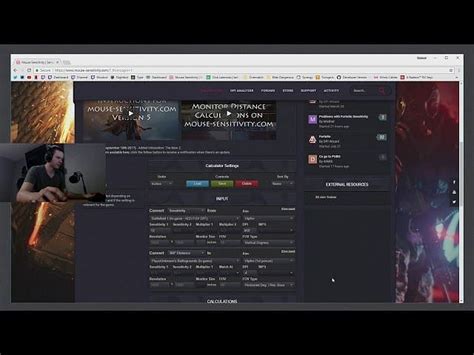
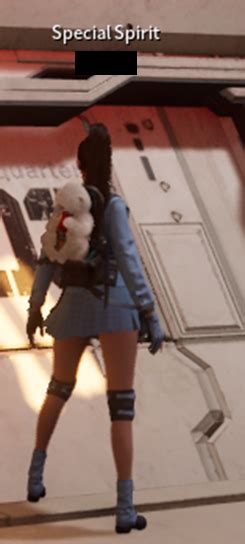
A picture is often worth a thousand words, especially in gaming. Include clearly annotated screenshots for specific locations, puzzle solutions, or item placements. Mini-maps with marked points of interest are invaluable. For complex sequences, a short embedded video clip can be far more effective than text alone, showing the player exactly what to do.
5. Utilize Tags and Keywords for Discoverability
Beyond internal headings, use a robust tagging system. Tags related to specific quests, items, bosses, or areas within the game help both internal site search and external search engines direct players to the exact information they need. Think like a player typing into Google: “[Game Name] [Specific Problem]”.
6. Implement a Problem-Solution Format
Structure sections around common player dilemmas. Instead of just describing an area, pose questions like “How to find the hidden chest in [Location]?” or “What’s the best strategy for the [Boss Name] fight?” and then immediately provide the answer. This mirrors the player’s thought process.
Conclusion: A More Efficient Player Experience
By adopting these structural principles, gaming walkthroughs can evolve from mere documentation into indispensable, user-friendly tools. Empowering players to find quick, specific answers not only enhances their gameplay experience but also establishes the guide as a valuable, go-to resource. The goal is to minimize frustration and maximize the fun, ensuring players spend more time playing and less time searching.



