What’s the optimal Indie Spotlight format for player engagement and dev discoverability?
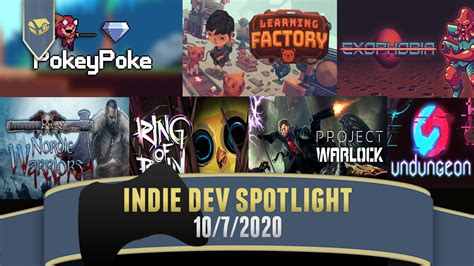
In the vast, ever-growing ocean of independent games, an effective Indie Spotlight is more crucial than ever. It’s not just about showcasing a game; it’s about crafting an experience that simultaneously draws players in and propels developers into the limelight. The challenge lies in finding that sweet spot – a format that balances compelling storytelling with practical discoverability mechanics.
The Cornerstone: Player Engagement
For a spotlight to truly shine, it must first capture the player’s imagination. Engagement isn’t merely about presenting information; it’s about invoking emotion, curiosity, and a desire to learn more. This often stems from authentic storytelling about the game’s vision, the developer’s journey, and the unique challenges overcome during production.
Deep dives into gameplay mechanics, showcasing what makes a game truly stand out, are essential. Beyond flashy trailers, players crave insight into the core loop, innovative systems, and the artistic direction. Developer interviews, whether written or video-based, can humanize the creators, fostering a connection that resonates with players and builds loyalty.

Interactive elements, such as playable demos embedded directly within the spotlight or time-limited beta access, are powerful engagement tools. They allow players to experience the game firsthand, transforming passive viewing into active participation. Community interaction, like Q&A sessions or polls, further solidifies this bond, making players feel like part of the journey.
Maximizing Developer Discoverability
Player engagement is only half the battle. An optimal Indie Spotlight must translate that interest into tangible discoverability for the developers. This means clear, undeniable pathways from the spotlight content directly to the game’s store pages, wishlists, and developer social media channels.
Strategic placement of call-to-action (CTA) buttons is non-negotiable. Whether it’s a ‘Wishlist Now’ button prominently displayed in a video or direct links to Steam, Epic Games Store, or console marketplaces within an article, these CTAs must be impossible to miss. Furthermore, embedding wishlisting widgets directly into the spotlight page can significantly reduce friction.
SEO optimization for written content and robust tagging for video content are vital for organic discoverability. Using relevant keywords that players are searching for can significantly expand the reach of the spotlight. Cross-promotion on various platforms, leveraging partnerships with influencers, and sharing on relevant gaming communities further amplifies visibility.
The Spectrum of Spotlight Formats: Pros and Cons
Different formats offer unique advantages. Video showcases excel at demonstrating gameplay and developer personality visually, often leading to high engagement. However, they require significant production effort and can be less accessible for detailed text-based information.
Written articles allow for depth, intricate explanations, and strong SEO. They are highly shareable and easy to consume at one’s own pace, but may struggle to convey the dynamic feel of gameplay. Live streams or developer AMA sessions offer real-time interaction and transparency, building immediate community rapport, though they demand perfect timing and live execution skills.
Interactive demos or web-based prototypes provide the ultimate hands-on experience, but are resource-intensive to produce and distribute. The ‘optimal’ format often isn’t a single medium, but a thoughtful combination.
Crafting the Optimal Hybrid Approach
The most effective Indie Spotlight formats often blend the strengths of multiple mediums. Imagine a compelling video interview with a developer, showcasing key gameplay moments, immediately followed by a detailed written article delving into specific mechanics, lore, and the game’s development story. Both would feature prominent wishlist links and social media integration.
Adding a downloadable demo link or a planned live stream event to accompany the release of the spotlight content creates multiple touchpoints for engagement. This multi-channel strategy caters to different player preferences and ensures maximum exposure for the game.
Best Practices for Lasting Impact
Regardless of the chosen format, authenticity and passion are paramount. Players can sense genuine excitement, and this energy is infectious. High-quality visuals, clear audio, and well-structured narratives are non-negotiable for maintaining professional standards.
Finally, a successful spotlight isn’t a one-off event. It should be part of a broader marketing strategy, with follow-up content, community engagement, and consistent promotion. Gathering feedback from both players and developers on the spotlight’s effectiveness can refine future iterations, ensuring continuous improvement in serving both critical audiences.
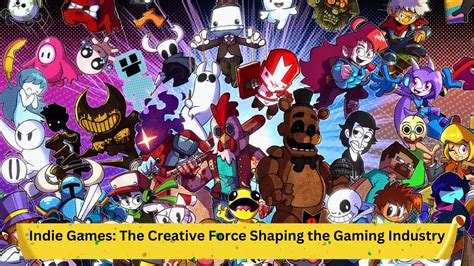
Ultimately, the optimal Indie Spotlight format is dynamic. It evolves with industry trends and player expectations, but its core principles remain constant: to tell a captivating story that engages players deeply, while simultaneously providing clear, actionable paths for independent developers to achieve the discoverability they desperately need and deserve.