





What GPU upgrade offers the best gaming FPS per dollar?
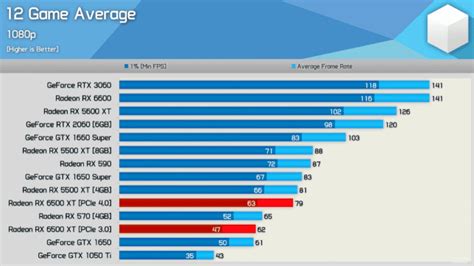
In the ever-evolving world of PC gaming, the pursuit of higher frame rates (FPS) is a constant quest. But for many, this pursuit is tempered by a crucial consideration: value. Upgrading your graphics card (GPU) is often the most impactful way to boost gaming performance, but discerning which upgrade offers the best “FPS per dollar” requires careful analysis of current market trends, technological advancements, and individual gaming needs.
The Quest for Optimal Value
Defining “best FPS per dollar” isn’t just about finding the cheapest card that runs games. It’s about optimizing your investment to achieve a noticeable, enjoyable performance improvement relative to the cost. This often means looking beyond the absolute top-tier cards, which tend to have diminishing returns in value, and instead focusing on the sweet spot where performance gains are significant without an exorbitant price tag.
Understanding Your Current Setup and Goals
Before diving into specific GPU recommendations, it’s vital to assess your current system. What CPU do you have? How much RAM? What resolution and refresh rate is your monitor? An older CPU might bottleneck even a powerful new GPU, limiting your potential FPS gains. Similarly, upgrading to a card capable of 4K gaming might be overkill if you’re only playing on a 1080p monitor.
Consider your gaming habits: Do you play graphically intensive AAA titles, or mostly esports games? Are you aiming for 60 FPS at 1440p, or 144 FPS at 1080p? Your specific goals will heavily influence which GPU tier represents the best value for you.
The Mid-Range Sweet Spot
Historically, the mid-range segment of the GPU market (typically $300-$600 USD) often provides the best balance of performance and price. These cards usually offer excellent 1080p and very competent 1440p gaming experiences, often outperforming last generation’s high-end cards at a lower price point. Both NVIDIA (e.g., RTX 4060 Ti, RTX 4070) and AMD (e.g., RX 7700 XT, RX 7800 XT) consistently offer competitive options in this tier.
Current Contenders for Value
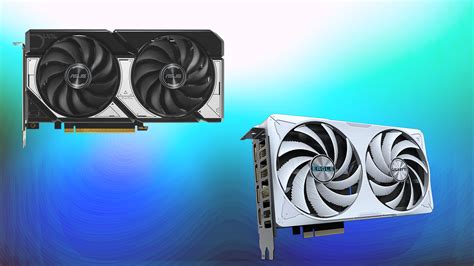
While specific recommendations shift with market dynamics, cards like AMD’s Radeon RX 7800 XT and NVIDIA’s GeForce RTX 4070 (or its Super variant) frequently emerge as strong contenders for FPS per dollar in the 1440p category. For 1080p, options like the Radeon RX 7600 or GeForce RTX 4060 often deliver excellent performance without breaking the bank. Always consult recent benchmarks and reviews, as prices and performance per dollar can fluctuate.
Considering the Used Market and Older Generations
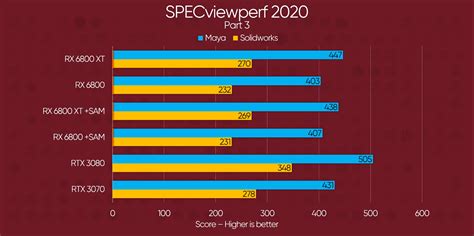
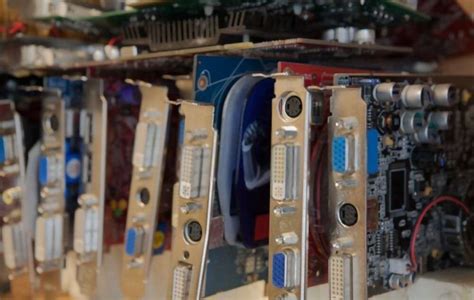
Don’t overlook the secondary market or last-generation GPUs. Cards like the RTX 3070, RTX 3080, RX 6700 XT, or RX 6800 XT from the previous generation can often be found at significantly reduced prices, offering exceptional value, especially if purchased refurbished or from a reputable seller. These cards can still provide outstanding performance, particularly for 1080p and 1440p gaming. However, always exercise caution, verify authenticity, and check for warranty options when buying used.
Beyond the GPU: The Holistic Approach
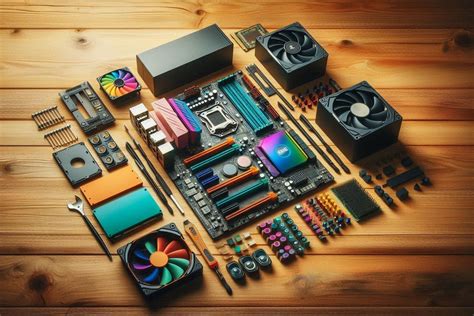
Remember that a GPU upgrade is just one piece of the puzzle. Ensure your power supply unit (PSU) has enough wattage and the necessary connectors for your new card. Adequate case airflow is also crucial to prevent thermal throttling and ensure your GPU performs optimally. Sometimes, a balanced upgrade across multiple components (CPU, RAM, GPU) might yield better overall results than simply throwing the most powerful GPU into an otherwise aging system.
Making Your Decision
Ultimately, the “best FPS per dollar” is a personalized choice. It involves setting a budget, understanding your performance targets (resolution, FPS), researching current market offerings, and considering your overall system compatibility. By focusing on the mid-range sweet spot, consulting up-to-date benchmarks, and exploring all market avenues, you can make an informed decision that maximizes your gaming enjoyment without overspending.


