





How to thoroughly review massive open-world games within tight publication deadlines?
The Immense Challenge of Open Worlds
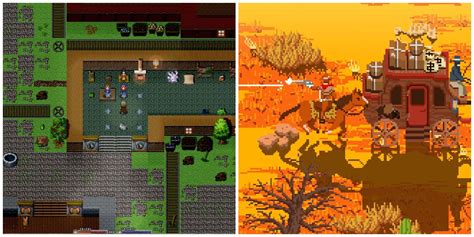
Massive open-world games present a unique conundrum for reviewers. Their sheer scale, intricate systems, branching narratives, and countless side activities demand hundreds of hours to fully explore. Yet, the exigencies of publication often dictate review periods that are a mere fraction of that time. The pressure to deliver a comprehensive, fair, and insightful review within a tight window can feel overwhelming. This guide explores practical strategies and methodologies to conquer this challenge, ensuring your reviews are thorough and valuable, even when time is your biggest enemy.

Strategic Pre-Review Planning
Success begins before you even launch the game. First, prioritize what truly matters. The main story, core gameplay mechanics (combat, traversal, crafting), and key progression systems should always be the focus. Identify the game’s selling points and anticipated innovations. Next, communicate with publishers or developers. Request review guides that highlight critical path objectives, known issues, or specific features they want feedback on. If reviewing as part of a team, divide and conquer: assign different team members to focus on specific aspects like graphics, performance, side quests, or online components.
Allocate your time strategically. Block out specific hours for the main quest, secondary objectives, and dedicated exploration. Factor in time for replaying sections, testing different character builds, or experimenting with mechanics. This structured approach helps prevent aimless wandering and ensures all critical areas receive attention.
Efficient Gameplay & Exploration Techniques
Start by pushing through the main narrative path. This provides a foundational understanding of the game’s core loop, story beats, and introduces most mechanics naturally. While doing so, don’t ignore glaring bugs or design flaws, but save deep dives into optional content for later. Utilize fast travel extensively, and if the review build allows, don’t be afraid to use developer cheats or debug tools (with ethical considerations and transparency in mind) to quickly test specific scenarios or reach late-game content.
Actively look for repetitive patterns or areas where content feels padded. Massive worlds can sometimes hide a lack of depth. Document your experiences with traversal, combat, dialogue choices, and mission variety. Pay attention to how the game paces itself and whether its various systems meaningfully intertwine or feel disconnected.

Systematic Note-Taking and Documentation
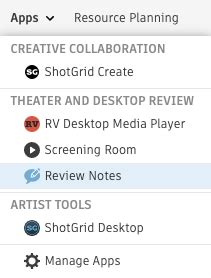
Your memory will betray you in a world this large. Implement a robust note-taking system from the outset. Use timestamped notes for bugs, performance drops, interesting discoveries, and story beats. Capture screenshots and short video clips of everything relevant: beautiful vistas, peculiar glitches, impressive combat encounters, and frustrating design choices. Organize your findings by category (e.g., “Gameplay – Combat,” “Technical – Bugs,” “Story – Characters,” “Audio – Music”).
Consider using tools like Notion, Google Docs, or dedicated review software that allows for easy tagging, searching, and collaboration if you’re working in a team. This meticulous documentation is crucial for recalling specific instances and providing concrete examples in your review, lending credibility to your arguments and observations.
Crafting the Comprehensive Review
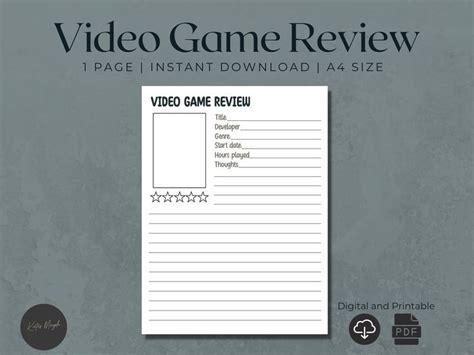
When writing, focus on what a prospective player truly needs to know. Start with a clear thesis: is the game good, bad, or somewhere in between? Structure your review logically, covering gameplay, story, technical performance, and overall value. Be honest about the scope of your playtesting. If you couldn’t complete every single side quest, state that. Instead, extrapolate: “While I didn’t experience every side quest, the ones I did encounter followed a pattern of X and Y, suggesting Z.”
Highlight the game’s unique selling points and where it falls short. Discuss how its open-world design either enhances or detracts from the experience. Acknowledge the potential for post-launch patches to fix bugs, but base your review on the state of the game you played. Your goal isn’t to play every minute, but to provide an informed opinion on the core experience and its most significant elements.
Leveraging Community Insights (Post-Embargo)
While your primary review must be based on your own experience, once the embargo lifts, it can be valuable to briefly scan community reactions for widespread issues you might have missed or unique perspectives. This is not for incorporating into your initial review, but for future context, potential follow-up pieces, or even refining your own review process. Always prioritize your direct experience for the primary review.

Conclusion: Delivering Insight Despite Constraints
Reviewing massive open-world games under tight deadlines is an art form that blends strategy, efficiency, and critical analysis. It’s about making smart choices regarding what to play, how to document it, and how to articulate your findings clearly and concisely. By adopting a systematic approach – from meticulous planning and focused gameplay to robust note-taking and honest writing – reviewers can deliver insightful, valuable critiques that help players navigate the vast and often overwhelming landscapes of modern gaming, all while respecting the clock.



