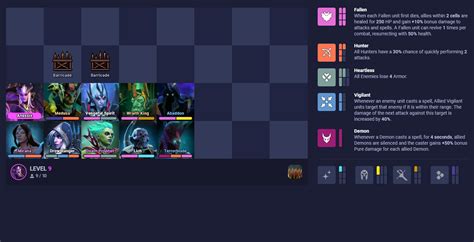
My main feels weak post-patch. What build changes should I prioritize for the new meta?
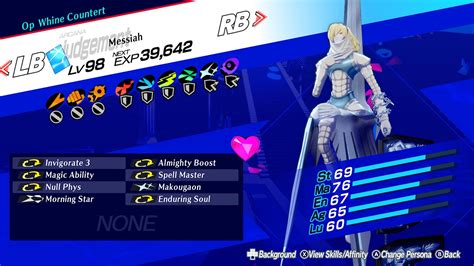
The dreaded post-patch malaise – your once-mighty main now feels like a shadow of its former self, struggling to keep up in the evolving game environment. This is a common experience in dynamic online games, as developers introduce significant balance changes, reworks, and new content that inevitably shifts the meta. Rather than abandoning your beloved character, it’s time to adapt. This guide will walk you through prioritizing build changes to thrive in the new meta.
Understanding the Patch Notes: Your First Clue
Before making any drastic changes, a thorough review of the official patch notes is crucial. Don’t just skim for your character’s name; look for broader systemic changes, item reworks, and even buffs/nerfs to other characters that indirectly affect your main. Were there changes to damage types, healing values, crowd control durations, or resource generation? These overarching adjustments often dictate fundamental shifts in what makes a build powerful.
Pay close attention to changes that affect your character’s primary damage sources, survivability tools, or utility. A minor nerf to a core ability might necessitate a complete rotation overhaul, while a buff to a previously underutilized skill could open up new build avenues. Cross-reference these changes with community discussions and initial impressions from top players to gauge their real-world impact.
Identifying Core Mechanic Shifts and Stat Priorities
Patches frequently alter the value of certain stats or mechanics. For instance, a patch might introduce new enemies with high armor, making armor penetration stats more valuable, or reduce global healing output, increasing the priority of defensive stats. Consider if the meta has shifted from burst damage to sustained damage, or if mobility has become paramount over raw tankiness.
Re-evaluate your character’s optimal stat weights. If critical strike was king, but a patch introduced diminishing returns or new mechanics that favor consistent damage, you might need to reallocate points from crit to haste or mastery. Similarly, items that were once “best-in-slot” might now be suboptimal if their unique effects or primary stats no longer align with the meta’s demands.
Re-evaluating Skill Trees and Talent Choices
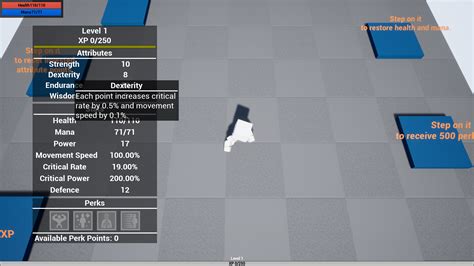
Talent trees and skill choices are often the most direct victims of a balance patch. Developers might tweak individual talent percentages, change the interaction between abilities, or even introduce entirely new talents. What was once a no-brainer talent selection might now be a trap, or a previously niche option could become essential.
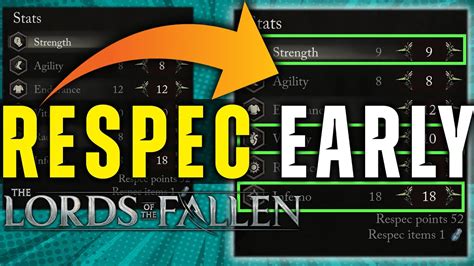
Experiment with different talent combinations, even those you’ve previously dismissed. Sometimes a small tweak to an ability’s cooldown or damage can make a cascading effect through a talent tree, making once-unviable builds incredibly strong. Look for synergies that might have emerged or disappeared due to these changes.
Adapting Playstyle to the New Meta
Beyond numbers and talents, the meta also dictates optimal playstyle. If a patch has made certain enemy types more prevalent, or if the overall pace of combat has slowed down or sped up, your rotation and engagement strategy might need adjustments. Are you now expected to play more defensively, or is aggression more heavily rewarded?
Consider how your role within a team has changed. Perhaps your character was a prime damage dealer but now excels more as a utility support, or vice-versa. Understanding the new flow of combat and anticipating common enemy strategies or team compositions will allow you to leverage your updated build effectively. Watch high-level gameplay from others playing your character to glean insights into successful new strategies.

Seeking Community Resources and Experimentation
You’re not alone in feeling the post-patch blues. The gaming community is a valuable resource. Check out dedicated forums, Discord servers, and content creators focusing on your game or character. Many experienced players will quickly identify optimal builds and strategies, providing a solid starting point for your own adjustments. However, always take community advice with a grain of salt and tailor it to your personal playstyle and preferred content.

Finally, don’t be afraid to experiment. The “best” build isn’t always immediately apparent, and sometimes unconventional approaches can yield surprising results. Dive into practice modes, unranked matches, or lower-difficulty content to test different gear, stats, and talent combinations without severe consequences. The new meta is a puzzle, and you’re the detective.
Conclusion
Feeling weak after a patch is a temporary setback, not a permanent retirement for your main. By diligently analyzing patch notes, re-evaluating stat priorities, adjusting your talents, adapting your playstyle, and leveraging community knowledge, you can not only restore your character’s strength but potentially discover new, more powerful ways to play. Embrace the iterative process of adaptation, and soon your main will be dominating the new meta once again.