What specific game details make an Indie Spotlight most engaging for readers?
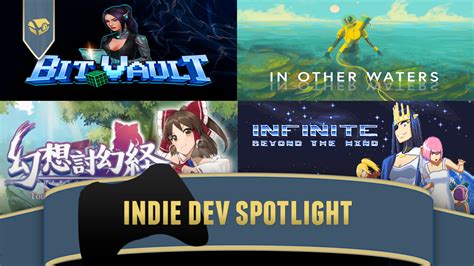
An Indie Spotlight isn’t just about reviewing a game; it’s about drawing readers into a world, a vision, and a creator’s passion. To truly engage an audience, these spotlights need to highlight specific game details that resonate deeply and showcase the unique spirit of independent development. It’s about much more than just graphics or a general premise.
The Heart of the Game: Unique Mechanics & Innovative Gameplay
At the core of every engaging indie game is often a novel mechanic or a fresh take on established genres. Readers want to know what makes this game different to play. Is there a unique control scheme, a clever puzzle system, an innovative combat style, or a resource management twist they haven’t seen before? Detailing these distinctive gameplay loops, how they challenge players, and the satisfaction they offer is paramount. Explain the ‘hook’ – that one thing that makes the gameplay feel fresh and compelling.
A Feast for the Eyes and Ears: Distinctive Art Style & Sound Design
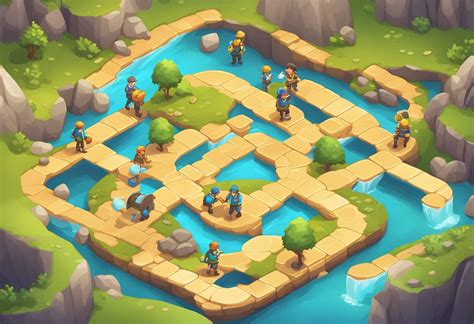
While often constrained by budget, indie games frequently shine with incredibly distinctive art styles and evocative soundscapes. An engaging spotlight dives into the ‘why’ behind these aesthetic choices. Does the pixel art tell a story of nostalgia or deliberate minimalism? Does the hand-drawn style reflect a personal narrative? How does the soundtrack or specific sound effects contribute to the game’s atmosphere, convey emotion, or enhance gameplay? Highlighting these artistic decisions helps readers visualize and feel the game before they even play it.
Beyond the Screen: Compelling Narrative & World-Building
Many indie games excel in their storytelling, creating rich narratives, deep lore, and memorable characters that larger titles might overlook. An engaging spotlight delves into the game’s plot, its central themes, and how the world itself tells a story without giving away major spoilers. Discuss how the player’s choices impact the narrative, the emotional journey the game takes them on, or the philosophical questions it might provoke. This fosters a connection beyond mere gameplay.
The Human Element: Developer’s Journey & Vision
One of the most powerful elements of an Indie Spotlight is the story behind the game. Readers are often fascinated by the passion, challenges, and unique perspectives of the developers. Sharing anecdotes about the game’s inception, the hurdles overcome during development, the inspiration behind key features, or the personal connection a developer has to their creation adds immense depth. This humanizes the game and builds a bridge of understanding and empathy between the reader and the creators.
What Lies Ahead: Community Engagement & Future Prospects
For many indie games, development doesn’t end at launch. Highlighting plans for post-launch content, developer transparency, and the ways in which the community influences the game’s evolution can significantly boost engagement. Discuss early access feedback implementation, upcoming updates, or how the developers interact with their player base. This shows a living, evolving product and invites readers to be part of its ongoing journey.
Ultimately, an Indie Spotlight is most engaging when it goes beyond surface-level descriptions and taps into the unique spirit, artistic vision, and innovative core of the game. By focusing on these specific, often deeply personal, details, writers can create an article that not only informs but truly captivates readers, inspiring them to explore these hidden gems for themselves.