How do we balance detailed game walkthroughs with quick, spoiler-free tips for new players?

Navigating the Dual Demands of Game Guidance
Creating effective game guides is an art form, especially when faced with the dichotomy of player needs: the eager newcomer seeking gentle nudges without plot revelations, and the dedicated explorer yearning for every hidden detail. The challenge lies in crafting a resource that serves both audiences without alienating either, striking a delicate balance between immediate, spoiler-free assistance and comprehensive, intricate walkthroughs.
Understanding the Diverse Player Landscape
New players often approach a game with a sense of wonder and a desire to discover things for themselves. They might only need help with core mechanics, an early-game obstacle, or understanding quest objectives without having the entire narrative laid bare. Spoilers can significantly detract from their initial experience, robbing them of climactic moments or plot twists. Their ideal guide offers quick solutions, navigational hints, or clarification on systems without revealing future events.
Conversely, veteran players or those on subsequent playthroughs often seek complete mastery. They want to find every collectible, unlock every secret achievement, optimize character builds, or understand complex boss mechanics. For them, a detailed walkthrough is a treasure map, providing exact locations, optimal strategies, and comprehensive data, where spoilers are a necessary evil, or even irrelevant, compared to the utility of complete information.

Strategies for a Spoiler-Free Onboarding Experience
To cater to new players, guides should adopt an initial ‘spoiler-free zone.’ This can take several forms:
- Dedicated “Getting Started” Sections: Offer basic controls, UI explanations, early-game combat tips, and general progression advice without specific plot points.
- Hint-Based Guidance: Instead of direct solutions, provide clues or directions. For example, “Explore the western forest” instead of “Go to the Ancient Oak and press ‘A’ on the glowing runes.”
- Separate “Tips & Tricks” Pages: Focus on mechanics, class builds, or general strategies that apply throughout the game without revealing story elements.
- Progressive Revelation: Structure the guide so that initial sections are light on spoilers, with warnings for more detailed, spoiler-heavy content later on.

Crafting Comprehensive, Detailed Walkthroughs
Once the spoiler-free entry point is established, the deeper, more intricate walkthrough can unfold. This is where precision and completeness are paramount:
- Chapter-by-Chapter or Area-by-Area Breakdown: Organize content logically, mirroring the game’s progression.
- Exhaustive Coverage: Include every main quest, side quest, optional objective, collectible location, enemy strategy, and boss fight breakdown.
- Clear Navigation and Indexing: Use internal links, tables of contents, and a robust search function to allow players to quickly jump to specific sections.
- Prominent Spoiler Warnings: Clearly label sections that contain significant plot spoilers, boss reveals, or major story twists, giving players the choice to proceed.
Structural Solutions for Seamless Balance
The key to balancing these two demands often lies in the architecture of the guide itself:
- Layered Content: Present a high-level overview or basic tips by default. Players can then click or expand sections to reveal more detailed, potentially spoiler-heavy information. Think of it as a “show/hide spoilers” function.
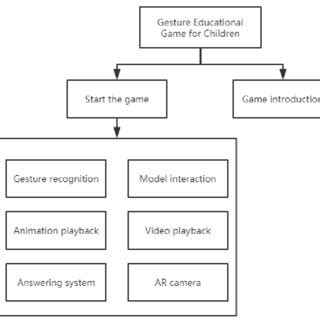
- Modular Design: Separate sections or even entire pages for different content types. For instance, one page for “Beginner’s Guide,” another for “Main Story Walkthrough,” and a third for “Collectibles & Secrets.” This allows players to choose their desired depth of information.
- Interactive Elements: Implement features like searchable databases for items, enemies, or quests, and toggleable spoiler tags that blur text until clicked.
- “Choose Your Own Adventure” Paths: Guide authors could provide branching advice, asking “Do you want a hint or the full solution?”
Conclusion: A Thoughtful Approach to Player Resources
Balancing detailed game walkthroughs with quick, spoiler-free tips isn’t about compromise; it’s about intelligent design and a deep understanding of player psychology. By creating clearly delineated sections, employing interactive features, and always prioritizing the player’s experience, guide creators can craft invaluable resources that enhance gameplay for every type of gamer, from the cautious explorer to the completionist.