Mods & community: How to manage compatibility issues & feedback after major game updates?
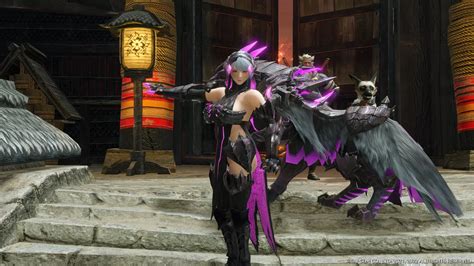
Major game updates are a double-edged sword. They inject fresh life, new features, and exciting content into beloved titles, but they also frequently introduce a whirlwind of compatibility issues for the vast ecosystem of user-created modifications (mods). For game developers, mod creators, and the player community alike, navigating the aftermath of a big update can be a challenging period marked by broken save files, error messages, and frustrated feedback. Effectively managing these challenges is crucial for maintaining a healthy and engaged community, preserving the modding scene, and ensuring player satisfaction.
The Inevitable Clash: Updates vs. Mods
Game updates, especially those introducing significant engine changes, new APIs, or core game logic alterations, are almost guaranteed to break existing mods. Mods often hook directly into game code, assets, or data structures. When these underlying elements change, the mod’s assumptions become invalid, leading to crashes, glitches, or complete non-functionality. This isn’t a failure on the part of modders or developers; it’s an inherent consequence of an evolving software landscape. The key lies in anticipating this clash and having robust strategies in place to mitigate its impact.
Proactive Communication: Setting Expectations
The most powerful tool in managing post-update chaos is clear, consistent, and proactive communication. Game developers should begin this process well before an update goes live. This includes:
- Early Warnings: Announce major update plans with sufficient lead time, highlighting potential impacts on mods.
- Developer Branch Access: If feasible, provide mod developers with access to a beta or test branch of the upcoming update. This allows them to begin adapting their mods before the public release.
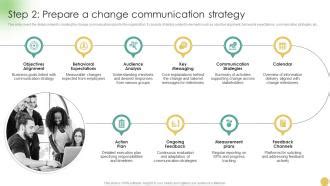
- Estimated Recovery Timelines: Be transparent about the expected timeframe for modders to update their creations, managing player expectations that not all mods will work on day one.
Tools and Resources for Mod Developers
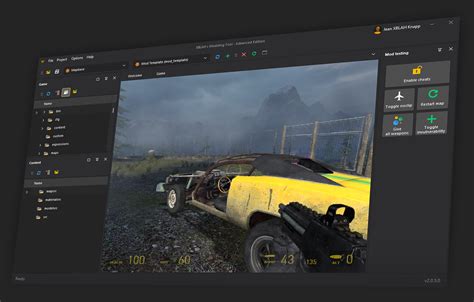
Beyond communication, developers can actively empower the modding community to adapt. Providing comprehensive resources is invaluable:
- Updated SDKs/APIs: Ensure all relevant Software Development Kits (SDKs), Application Programming Interfaces (APIs), and documentation are updated simultaneously with the game update.
- Changelogs Focused on Modding: Provide detailed technical changelogs that specifically highlight changes relevant to modding, such as altered file paths, new data structures, or deprecated functions.
- Dedicated Support Channels: Create specific forums, Discord channels, or bug trackers for mod developers to report issues, ask questions, and collaborate with game developers.
Managing Community Feedback and Support
When an update lands, player feedback, both positive and negative, will surge. A structured approach is essential:
- Centralized Feedback Hubs: Direct players to specific forums or bug reporting tools for issues. Clearly distinguish between official game bugs and mod-related issues.
- Community Managers as Liaisons: Empower community managers to be the bridge between players, modders, and developers. They can gather feedback, provide updates, and help diffuse tension.
- Clear Mod Support Policies: Reiterate that while developers appreciate modding, they generally cannot provide direct support for broken third-party mods. Guide players on how to troubleshoot their mod setups (e.g., disabling all mods, testing one by one).
Strategies for Mod Users
Players also have a role to play in navigating post-update periods smoothly:
- Patience is Key: Understand that mod developers are volunteers or small teams, and updating complex mods takes time and effort.
- Read Update Notes: Always check official game patch notes and mod pages for compatibility information before updating.
- Backup Your Saves: Before any major game update, back up your save files, especially if you heavily rely on mods.
- Report Effectively: If encountering issues, report them to the mod author (if it’s a mod issue) or game developer (if it’s a game bug) with clear descriptions and steps to reproduce.
The Role of Modding Communities
Often, the modding community itself becomes the primary source of support and adaptation. Community-driven initiatives include:
- Modding Wikis & Tutorials: Players and modders create guides on how to fix common issues or update simple mods.
- Collaborative Efforts: Larger modding teams might work together to update core libraries or frameworks that many mods depend on.
- Community-Curated Compatibility Lists: Players often compile lists of working and broken mods post-update.

Post-Update Follow-up and Long-Term Support
The work doesn’t stop once the update is out and initial mod fixes roll in. Continuous engagement is vital:
- Monitor and Iterate: Developers should continue to monitor feedback channels and release hotfixes for any critical game bugs that impact modding or general gameplay.
- Modding in Future Planning: Incorporate lessons learned into future update planning, potentially designing APIs to be more robust against breaking changes, or offering more comprehensive modding support tools.
- Celebrate Modders: Acknowledge and celebrate the efforts of mod creators. Highlighting updated mods or creators can foster goodwill and encourage continued development.

Ultimately, managing compatibility issues and feedback after major game updates is a shared responsibility. It requires proactivity and clear communication from game developers, diligent effort from mod creators, and patience and understanding from the player base. By fostering a collaborative environment, the potential frustrations of game updates can be transformed into opportunities for community engagement and the continued enrichment of the game experience.