How do you keep gaming walkthroughs relevant for frequently patched live-service titles?
The landscape of video games has dramatically shifted with the rise of live-service titles. Games like Destiny 2, Apex Legends, Warframe, and Final Fantasy XIV are in a constant state of flux, receiving frequent patches, balance changes, new content, and mechanic overhauls. While this keeps the games fresh and engaging for players, it poses a significant challenge for creators of gaming walkthroughs: how do you keep your content relevant when the game itself is a moving target?
The Dynamic Challenge of Live-Service Games
Traditional walkthroughs excel in static, single-player experiences, guiding players through a fixed narrative or set of challenges. However, live-service games defy this static nature. A strategy that worked last month might be obsolete today due to a weapon nerf, a character rework, or a complete change in mission parameters. This constant evolution can quickly render even the most meticulously crafted guides outdated, frustrating players who rely on them and devaluing the effort put in by guide creators.
Strategies for Maintaining Walkthrough Relevance
To combat the rapid obsolescence, guide creators must adopt dynamic strategies that prioritize adaptability and longevity.
Focus on Core Mechanics and Principles
Instead of rigid, step-by-step instructions that might break with the next patch, focus on the fundamental mechanics, overarching strategies, and core game loops that are less likely to change drastically. Teach players how to think within the game’s systems rather than simply what to do. Explain enemy types, general combat strategies, resource management philosophies, and buildcrafting principles. Specific numbers or optimal rotations can be noted as “current as of patch X.Y” and updated as needed.
Embrace Modular Content Design
Break down your walkthroughs into smaller, self-contained modules. Instead of one monolithic guide, create separate sections for character builds, mission strategies, item locations, boss mechanics, and economy tips. This allows you to update individual modules without overhauling the entire guide. If a specific boss fight changes, you only need to revise that one module, making maintenance far more efficient.
Version Control and Update Indicators
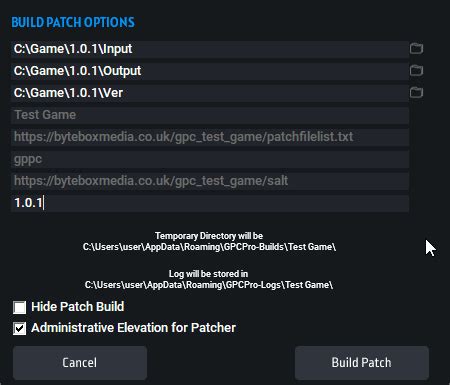
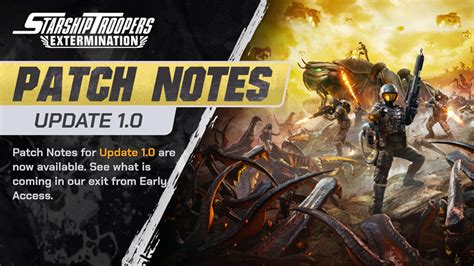
Transparency is key. Clearly state the patch version your guide is based on, and provide prominent “Last Updated” timestamps. For significant changes, include a dedicated “Patch Notes” section within your guide or link directly to the game’s official patch notes, highlighting what aspects of your guide might be affected. This manages player expectations and allows them to quickly check if the information is still current.
Leverage Video and Interactive Formats
Video walkthroughs can be updated more easily than text-heavy ones, especially if they are designed to show principles rather than exact paths. A quick re-recording of a specific section or an overlay annotation can address changes. Interactive guides, like wiki-style pages or database-driven tools, also offer superior flexibility for real-time updates and community contributions.
The Role of Community and Collaboration
Given the sheer volume of changes, a single content creator might struggle to keep up. Engaging the game’s community can be an invaluable asset. Encourage comments, corrections, and suggestions from players. Some platforms even support direct community edits, similar to a wiki. Fostering a collaborative environment transforms your guide from a static document into a living, community-driven resource that benefits from collective knowledge.

Looking Ahead: The Evolution of Guides
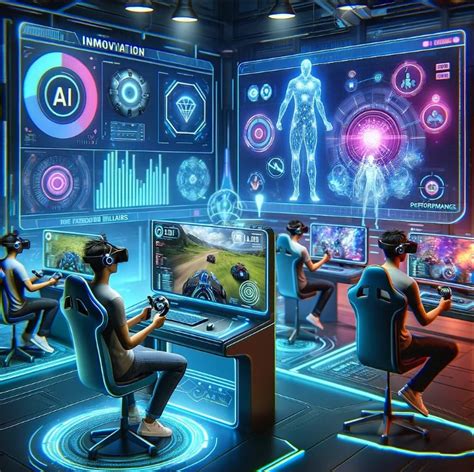
The future of live-service game guides will likely see a greater integration of data-driven approaches, AI assistance for tracking changes, and more dynamic, platform-agnostic formats. Tools that automatically pull game data or highlight discrepancies between an old guide and a new patch could become standard. Ultimately, guide creation will shift from being a one-time endeavor to an ongoing service, mirroring the nature of the games they cover.
Conclusion
Keeping walkthroughs relevant for frequently patched live-service titles is a demanding but essential task. By adopting strategies that prioritize fundamental understanding, modularity, transparent versioning, and community involvement, content creators can ensure their guides remain valuable resources. The challenge of dynamic games demands dynamic solutions, pushing guide creation into an exciting new era of adaptability and continuous engagement.