Indie Spotlight: What makes submissions stand out?

Navigating the Crowded Indie Landscape
In the vibrant, ever-expanding world of independent creation – be it games, films, music, or other artistic endeavors – simply creating something brilliant is often just the first step. The true challenge lies in making that creation visible, in ensuring it doesn’t get lost in the deluge of daily submissions flooding curators, publishers, and festival committees. So, what exactly makes an indie submission rise above the rest and truly capture attention?
It’s a combination of artistic merit, strategic presentation, and a deep understanding of the submission process. This article delves into the critical factors that transform a good submission into an unforgettable one.
The Unmistakable Power of Originality and Vision
At its core, standing out begins with the creation itself. A submission that offers a fresh perspective, a unique mechanic, an untold story, or an innovative artistic style immediately piques interest. Generic ideas, no matter how well-executed, struggle to leave a lasting impression in a landscape saturated with talent. True originality isn’t about reinventing the wheel entirely, but rather offering a distinct voice or a compelling twist on familiar concepts.
Curators are constantly searching for projects that push boundaries, evoke genuine emotion, or provide a novel experience. Your unique vision is your most potent weapon against anonymity.

Polish and Professional Presentation are Non-Negotiable
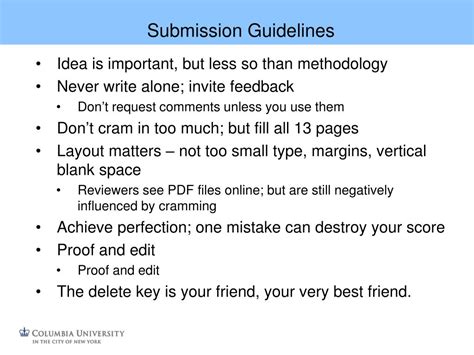
Even the most brilliant idea can fall flat if its presentation is shoddy. This isn’t just about the final product; it extends to every aspect of your submission package. A poorly edited trailer, a demo rife with bugs, or a submission form riddled with typos sends a clear message of carelessness.
Curators have limited time, and a lack of polish indicates a potential risk. Ensure your assets (trailer, screenshots, audio samples, pitch deck, portfolio) are of the highest quality possible. This demonstrates professionalism, respect for the reviewer’s time, and confidence in your work.

Crafting a Compelling Narrative and Pitch
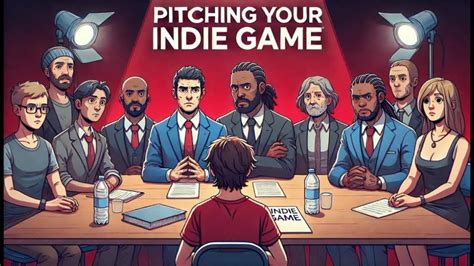
Beyond the project itself, the story you tell about it is crucial. A concise, engaging, and enthusiastic pitch can be the hook that draws a reviewer in. What makes your project special? What problem does it solve, or what emotion does it evoke? What is your personal connection to the work?
Avoid jargon and overly technical descriptions. Focus on the core appeal and the emotional impact. Be clear, confident, and passionate. A strong pitch acts as a narrative lens, framing your work in the most appealing light and explaining why it deserves attention.
Knowing Your Audience and Tailoring Your Submission
A one-size-fits-all approach rarely works. Research the specific platform, festival, publisher, or curator you’re submitting to. What kind of projects do they typically feature? What are their aesthetic preferences or thematic interests? Customizing your submission to align with their criteria shows that you’ve done your homework and that your project is a thoughtful fit, not just another random entry.
Highlight aspects of your project that specifically resonate with their mandate. This demonstrates respect for their platform and makes their job easier, increasing your chances of being noticed.
Beyond the Submission: Professionalism and Persistence
Even after hitting ‘send,’ the impression you leave can matter. Be responsive to communications, maintain a professional demeanor, and be prepared for feedback. Rejection is a common part of the indie journey; how you handle it speaks volumes. Use it as an opportunity to refine your work and your pitch, rather than a reason to give up.
Persistence, coupled with a willingness to learn and adapt, is a hallmark of successful independent creators. Continue honing your craft, networking, and improving your presentation. Your dedication often shines through.
Conclusion: Your Unique Voice Matters
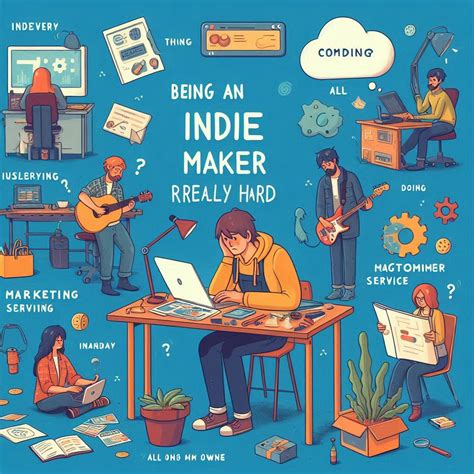
Making an indie submission stand out in a competitive landscape is a multifaceted challenge. It demands not only a truly original and polished creation but also a strategic approach to presentation, a compelling narrative, and a tailored understanding of your audience. While the odds can feel daunting, embracing your unique vision, meticulously refining your work, and presenting it with professionalism and passion are the most powerful tools at your disposal. Keep creating, keep refining, and most importantly, keep believing in the distinct voice only you can offer.