What essential gameplay, story, and technical elements must a game review cover for players?
The Anatomy of a Player-Centric Game Review
For players considering a new purchase, a game review isn’t just an opinion piece; it’s a vital purchasing guide. To be genuinely useful, a review must dissect a game into its fundamental components, offering insights into how each element contributes to the overall experience. This means going beyond simple enjoyment to provide a structured, detailed analysis of gameplay, story, and technical aspects.
Gameplay Mechanics and Systems: The Core Experience
The gameplay is the interactive heart of any game, and a review must articulate its nuances clearly. Players need to understand what they will actually be doing. Key aspects to cover include:
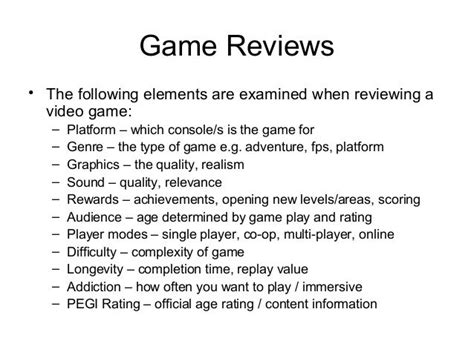
- Core Loop: Describe the primary actions players will repeatedly perform and how satisfying they are (e.g., combat, exploration, puzzle-solving, crafting).
- Controls & Interface (UI/UX): Are the controls intuitive and responsive? Is the user interface clear, functional, and aesthetically pleasing? Are menus easy to navigate?
- Difficulty & Progression: How challenging is the game? Does it offer adjustable difficulty? Is the progression system rewarding, or does it feel like a grind?
- Level Design & World Structure: Are environments engaging to explore? Do levels offer variety, clever design, or do they feel repetitive?
- Replayability & Longevity: Are there reasons to return to the game after completion (e.g., New Game+, multiplayer, side quests, collectibles)?
- Unique Mechanics: Highlight any innovative or stand-out gameplay features that differentiate the game.

Story, Narrative, and World-Building: The Immersive Arc
For many players, a compelling narrative is as important as solid gameplay. A review should evaluate the storytelling elements that draw players into the game world:
- Plot & Pacing: Is the story engaging from start to finish? Are there significant plot holes? Is the pacing appropriate for the narrative beats?
- Characters: Are the protagonists and antagonists well-developed, relatable, and memorable? Does voice acting enhance or detract from the performances?
- World-Building & Lore: How rich and believable is the game’s setting? Does the lore add depth and context to the experience?
- Themes & Emotional Impact: Does the story explore interesting themes? Does it evoke genuine emotion in the player?
- Player Agency & Choices: If the game features player choices, do they meaningfully impact the story or world?
Technical Performance and Presentation: The Foundation
No matter how good the gameplay or story, technical issues can severely hamper a player’s enjoyment. A thorough review must address the game’s technical foundation:
- Graphics & Art Style: Evaluate the visual fidelity, artistic direction, and how well the graphics serve the game’s overall aesthetic and tone.
- Sound Design & Music: Comment on the quality of the soundtrack, sound effects, and voice acting. Do they enhance the atmosphere and immersion?
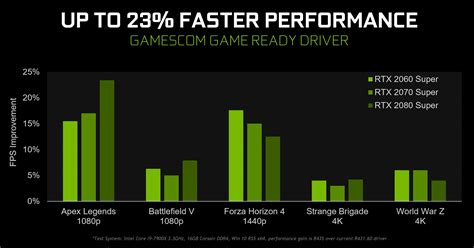
- Performance & Optimization: Critically assess frame rates, loading times, and overall stability across various hardware (if applicable). Are there significant bugs, glitches, or crashes?
- Accessibility Features: Does the game offer options for players with different needs (e.g., remappable controls, colorblind modes, difficulty modifiers, subtitles)?
- Hardware Requirements (PC): For PC games, provide an overview of how well the game runs on different specifications and its optimization.
Beyond the Pillars: Other Crucial Considerations
While gameplay, story, and technical aspects form the core, other elements round out a truly comprehensive review:
- Value for Money: Considering the price point, how much content (hours of gameplay, features) does the game offer?
- Multiplayer/Online Features: If applicable, evaluate the online experience, matchmaking, netcode, and community features.
- Post-Launch Support: Briefly mention the developer’s track record or plans for future updates and content.
Conclusion: Empowering the Player
Ultimately, a game review’s purpose is to empower players. By meticulously detailing the strengths and weaknesses across gameplay, narrative, and technical execution, reviewers provide the context and critical perspective needed for an informed purchase decision. A truly essential review is one that equips players not just with a recommendation, but with a deep understanding of what awaits them within the game world.