What practical tips should Indie Spotlight provide to help indie game devs boost player retention?
For independent game developers, launching a game is a monumental achievement, but the journey doesn’t end there. In a saturated market, keeping players engaged after the initial download is as crucial as attracting them in the first place. High player retention not only translates to a healthier player base and potential for long-term revenue but also fosters a dedicated community that champions your game. Indie Spotlight is here to equip you with practical, actionable tips to turn one-time players into loyal fans.
Crafting an Unforgettable First Impression
The first few minutes, even seconds, of gameplay are make-or-break. A confusing tutorial or an unrewarding initial experience can lead to immediate churn. Focus on clarity, immediate gratification, and showcasing your game’s unique selling points right away. Ensure your onboarding is intuitive, allowing players to grasp core mechanics without feeling overwhelmed. A well-designed opening sequence can set the tone for lasting enjoyment, making players eager to explore more.
Fostering Ongoing Engagement
Once players are hooked, the challenge shifts to keeping them coming back. Regular, meaningful content updates are paramount. This doesn’t always mean massive expansions; it could be new characters, maps, game modes, daily quests, or seasonal events. Implement robust progression systems that offer clear goals and rewards, whether it’s unlocking new abilities, cosmetic items, or story elements. A sense of continuous achievement keeps the grind feeling purposeful.
Consider introducing meta-game elements or social features that encourage recurring play. Leaderboards, competitive modes, or cooperative challenges can significantly extend playtime. Remember, even small, consistent additions can refresh the experience and signal to your community that the game is alive and evolving.
Building a Vibrant Community
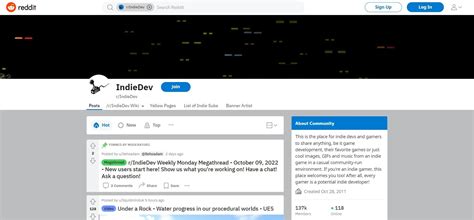
Your players are more than just users; they can be advocates. Creating a space where they can connect with each other and with you, the developer, is incredibly powerful. Set up official channels like Discord servers, Reddit subreddits, or dedicated forums. Actively participate in these communities: share development insights, ask for feedback, and celebrate player achievements. Responding to questions and engaging in discussions builds trust and makes players feel valued, transforming them into invested stakeholders.
Community events, such as fan art contests, streaming sessions with developers, or in-game challenges decided by players, can further solidify these bonds and create shared experiences that keep players emotionally tied to your game.

Listening and Adapting: The Feedback Loop
No game is perfect, and player feedback is an invaluable resource for improvement. Implement easy-to-use in-game reporting tools or clearly signpost where players can submit suggestions and bug reports. More importantly, demonstrate that you are listening. Address critical issues promptly and communicate your plans for future updates, even if it’s just acknowledging a common request. Transparent communication builds goodwill and shows players their input matters.
Leverage analytics tools to understand player behavior: where do they drop off? Which features are most used? Combining quantitative data with qualitative feedback from your community provides a holistic view, enabling data-driven decisions that directly address pain points and enhance beloved features.
The Power of Polish and Performance
Even the most innovative game can lose players due to technical issues. Prioritize bug fixes, performance optimizations, and overall game stability. A smooth, frustration-free experience is foundational to retention. Regular patching, even for minor issues, signals professionalism and a commitment to quality. Indie developers might have limited resources, but a stable game is often more valued than a feature-rich but buggy one.
Consider also the quality of life (QoL) improvements. Small tweaks suggested by players, like UI enhancements, better control customization, or accessibility options, can significantly improve the overall player experience and demonstrate that you care about their comfort and enjoyment.
Boosting player retention is an ongoing process that requires dedication, attentiveness, and a genuine connection with your player base. By focusing on a strong first impression, continuous engagement, vibrant community building, responsive feedback loops, and unwavering commitment to polish, indie developers can transform their games from fleeting experiences into enduring passions for their players. Keep innovating, keep listening, and keep nurturing the worlds you’ve created.