How can our gaming reviews provide actionable utility, beyond scores, for player choice?

In the vast and ever-expanding landscape of video games, players face an overwhelming choice. For years, review scores have served as the primary, often sole, indicator of a game’s quality, boiling down complex interactive experiences into a single, digestible number. While convenient, this reductive approach often fails to provide the true utility players need to make informed decisions tailored to their unique preferences and circumstances.
Beyond the Numerical Straitjacket
A score, whether 7/10 or 95%, offers a snapshot but rarely a narrative. It tells you what a reviewer thought of the game’s overall quality, but not why they thought it, nor whether those reasons align with your own interests. A game lauded for its challenging combat might be frustrating for a casual player seeking a narrative-driven experience, while a game praised for its innovative story could bore someone primarily interested in mechanics. The score acts as a gatekeeper, often obscuring the nuances that truly matter to an individual player.
Defining Actionable Utility in Reviews
Actionable utility moves beyond subjective enjoyment to provide objective insights that help players predict their own engagement and satisfaction. This means dissecting games into elements that resonate with specific player archetypes. Instead of just saying “the combat is good,” a utility-focused review would explain why it’s good (e.g., responsive controls, deep customization, tactical depth, satisfying impact) and for whom it would appeal (e.g., players who enjoy Souls-likes, those seeking a steep learning curve, or fans of real-time strategy).
Key areas for actionable utility include:
- Time Commitment: How long is the main story? How much post-game content is there? Is it suitable for short bursts or long sessions?
- Player Archetype Fit: Is it for completionists, casual explorers, competitive strategists, or story-driven adventurers?
- Core Mechanics Breakdown: A deep dive into combat, exploration, puzzle-solving, crafting, and progression systems, detailing their intricacies and potential frustrations.
- Accessibility Features: Information on difficulty options, control remapping, visual/auditory aids, and other settings that cater to diverse needs.
- Monetization & Live Service: Clear explanation of any in-game purchases, battle passes, or ongoing content plans and their impact on the player experience.
Practical Frameworks for Enhanced Reviews
To deliver this level of utility, reviews need to evolve. We can implement several frameworks:
- Player Profile Matching: Instead of a single score, offer recommendations based on hypothetical player profiles (e.g., “If you love intricate RPGs with a slow burn, this is for you,” or “Avoid if you prefer instant action and quick progression”).
- Comparative Analysis: Directly compare the game to similar titles, highlighting similarities and differences in mechanics, tone, or structure. “It’s like X, but with the narrative depth of Y and the exploration of Z.”
- “What We Loved/What We Didn’t” Tailored Sections: Detail specific aspects, explaining why they are positives or negatives and which types of players would appreciate or dislike them.
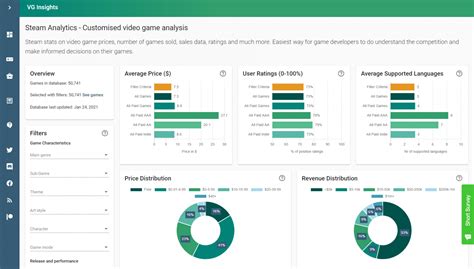
- Deep Dives on Specific Features: Dedicate sections to discuss the game’s unique selling points, its technical performance, or its community potential, providing context beyond a simple rating.
- Emotional Impact & Tone: Beyond mechanics, convey the game’s emotional journey, atmosphere, and overall tone. Is it lighthearted, grim, thought-provoking, or purely escapist?
Empowering Player Choice Through Nuance
The ultimate goal is to empower players, not just inform them. By moving beyond subjective scores, reviews become more than just critical appraisals; they become personalized guides. Players can identify if a game respects their time, challenges them in the right ways, offers the kind of story they crave, or provides the specific multiplayer experience they seek. This leads to fewer “buyer’s remorse” moments and more genuinely satisfying gaming experiences, fostering a healthier relationship between players, developers, and review outlets.

The Future of Reviewing: A Collaborative Endeavor
The evolution of game reviews isn’t solely on the shoulders of critics. It’s a collaborative endeavor involving the review platform, its audience, and even developers. Utilizing dynamic content, user-generated “tags” or “filters” for review aspects, and interactive tools that allow players to weigh different criteria could further personalize the review experience. By focusing on detailed, context-rich analysis over simplistic numbers, gaming reviews can transcend their traditional role, becoming invaluable resources that genuinely help players navigate their choices in a bustling digital world.